


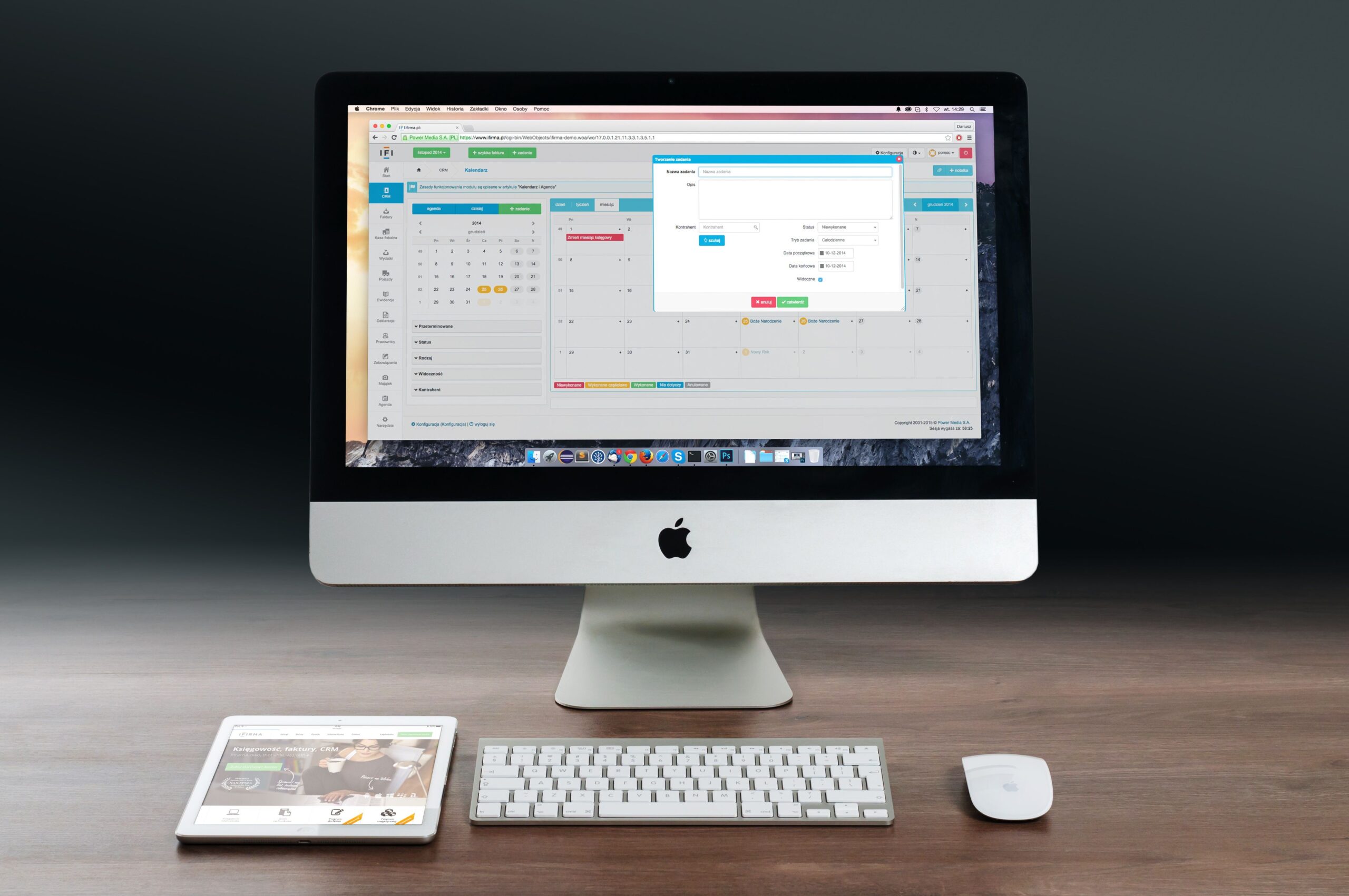
Keeping track of schedules can become difficult when information is spread across separate calendars, spreadsheets, messages, and paper records. A central calendar brings important scheduling details into one shared place, making it easier for teams to see what is planned and what may need attention. This can be especially useful in workplaces where employees, appointments, training sessions, meetings, and changing schedules need to be managed throughout the day.
Keeping Schedule Information Together
A central calendar gives employees one place to check important schedule information. Instead of searching through emails, text messages, spreadsheets, and separate calendars, team members can review the same shared schedule. This can reduce confusion when several people need access to the same information or when schedules change throughout the workday.
Having one main calendar can also make it easier to spot conflicts. Managers can see when employees are already assigned to tasks, when meetings overlap, or when important activities require additional coverage. As a result, schedule planning becomes less dependent on memory and scattered information.
Improving Team Communication
Clear scheduling can support better communication between employees and managers. When everyone has access to current calendar information, team members can understand where they need to be and when certain tasks are expected to take place. This can reduce the need for repeated questions about appointments, shifts, training sessions, and other scheduled activities.
A central calendar can also provide a consistent place for schedule updates. If a meeting moves to another time or an assignment changes, the update can be made where the team already checks for scheduling information. This is particularly helpful when several employees depend on the same information to plan their own work.
Reducing Scheduling Conflicts
Scheduling conflicts can cause delays, missed appointments, and unnecessary stress. They may happen when two people assume they are available for the same task or when an important event is recorded in one system but not another. A central calendar gives managers a broader view of scheduled activities, making potential conflicts easier to identify before they become problems.
An EMS calendar tool can be particularly useful for organizations where employee availability, field assignments, training requirements, and other scheduling details need to be coordinated. A shared calendar can give managers a clearer view of current commitments while helping employees understand what has already been scheduled.
Supporting Faster Schedule Changes
Schedules rarely stay exactly the same throughout a busy workday. Appointments may be canceled, employees may become unavailable, and new assignments may need to be added. When schedule information is stored in one place, making and communicating these changes can be simpler than updating several separate records.
A central calendar can help employees see changes without relying entirely on individual messages. This does not remove the need for communication, especially when a change is urgent, but it can give the team a dependable place to check the latest information. Keeping schedule details current also helps prevent employees from following an outdated version.
Making Planning More Consistent
A central calendar can support both daily planning and longer-term scheduling. Managers can review upcoming activities, identify busy periods, plan employee coverage, and make room for required training. Employees can also use the calendar to prepare for upcoming responsibilities instead of discovering important tasks at the last minute.
Over time, consistent scheduling practices can make work easier to organize. A shared calendar provides a common structure that teams can follow, which may be useful when different managers or departments are responsible for separate parts of the schedule. The goal is not to fill every available space but to make planned work easier to see and manage.
Supporting Better Resource Use
A shared schedule can also help organizations make better use of available resources. When managers can see assignments and appointments in one place, they may have an easier time identifying gaps in coverage or periods when resources are already committed. This can be useful when employees, vehicles, rooms, equipment, or other resources must be coordinated.
For example, a busy day may require careful timing so that one resource is not assigned to several activities at once. Seeing these commitments together can make planning more practical. Managers can then make adjustments before a conflict affects employees or customers.
Keeping Scheduling Simple and Clear
A central calendar can make scheduling easier by giving teams one reliable place to find current information. It can improve communication, reduce avoidable conflicts, support schedule changes, and make planning more consistent. The value comes from keeping the calendar accurate and making sure employees know when and where to check it.
The right setup will depend on the organization, its staff, and the type of work being scheduled. Whether a team manages appointments, field assignments, meetings, training, or daily tasks, bringing key information together can make routine planning less complicated. A central calendar does not replace good communication, but it can give that communication a clearer foundation.
