


What Is the Pelvic Floor?
The pelvic floor is a group of muscles, ligaments, and connective tissues located at the base of the pelvis. It acts like a supportive hammock, holding up organs such as the bladder, uterus (in women), prostate (in men), and rectum.
Contents
ToggleThese muscles are responsible for several essential functions, including:
- Bladder and bowel control
- Core stability and posture support
- Sexual function
- Pressure regulation within the abdomen
When these muscles weaken or become too tight, various health issues can arise.
What Is Pelvic Floor Therapy?
Pelvic floor therapy is a specialized form of physical rehabilitation designed to assess, strengthen, relax, and retrain the pelvic floor muscles. It is typically performed by trained physical therapists who specialize in pelvic health.
The goal of this therapy is not just strengthening muscles but restoring balance—because both weakness and excessive tightness can cause dysfunction.
Who Can Benefit from Pelvic Floor Therapy?
Pelvic floor issues are more common than many people realize and can affect individuals of all genders and ages.
You may benefit from pelvic floor therapy if you experience:
- Urinary incontinence or frequent urges to urinate
- Fecal incontinence or difficulty controlling bowel movements
- Pelvic pain or pressure
- Pain during intercourse
- Recovery challenges after childbirth
- Post-surgical pelvic weakness (such as after prostate or gynecological surgery)
- Core instability or lower back pain linked to pelvic dysfunction
Pregnant and postpartum women are among the most common patients, but men and athletes also frequently benefit.
Common Causes of Pelvic Floor Dysfunction
Pelvic floor problems can develop for many reasons, including:
- Pregnancy and childbirth
- Aging and hormonal changes
- Chronic constipation or straining
- Heavy lifting or high-impact exercise
- Surgery in the pelvic region
- Prolonged sitting or poor posture
- Stress and muscle tension
Understanding the root cause is essential for effective treatment.
What Happens During Pelvic Floor Therapy?
A typical pelvic floor therapy session begins with a detailed evaluation. The therapist will discuss symptoms, lifestyle habits, and medical history to understand the issue.
Treatment may include:
1. Muscle Training Exercises
Patients are guided through exercises that strengthen or relax pelvic muscles depending on the condition. These may include modified Kegels or core stabilization movements.
2. Manual Therapy
In some cases, therapists use gentle hands-on techniques to release tight muscles or trigger points.
3. Biofeedback Training
Special devices may be used to help patients understand how their pelvic muscles are functioning in real time.
4. Breathing and Posture Work
Since the pelvic floor is connected to the diaphragm and core, breathing techniques and posture correction are often included.
5. Lifestyle Guidance
Patients may receive advice on hydration, diet, bathroom habits, and exercise routines.
How Long Does Pelvic Floor Therapy Take?
The duration of pelvic floor therapy varies depending on the severity of the condition. Some individuals notice improvement within a few weeks, while others may require several months of consistent treatment.
Progress depends on factors such as:
- Consistency with exercises
- Severity of symptoms
- Underlying medical conditions
- Lifestyle changes
Benefits of Pelvic Floor Therapy
When done correctly and consistently, pelvic floor therapy can offer significant improvements, including:
- Better bladder and bowel control
- Reduced pelvic pain
- Improved sexual health and comfort
- Stronger core stability
- Faster postpartum recovery
- Enhanced quality of life and confidence
Many patients also report improved posture and reduced lower back discomfort.
Pelvic Floor Exercises You Can Start With
While professional guidance is ideal, some basic exercises often introduced include:
- Kegel exercises: Contracting and relaxing pelvic muscles
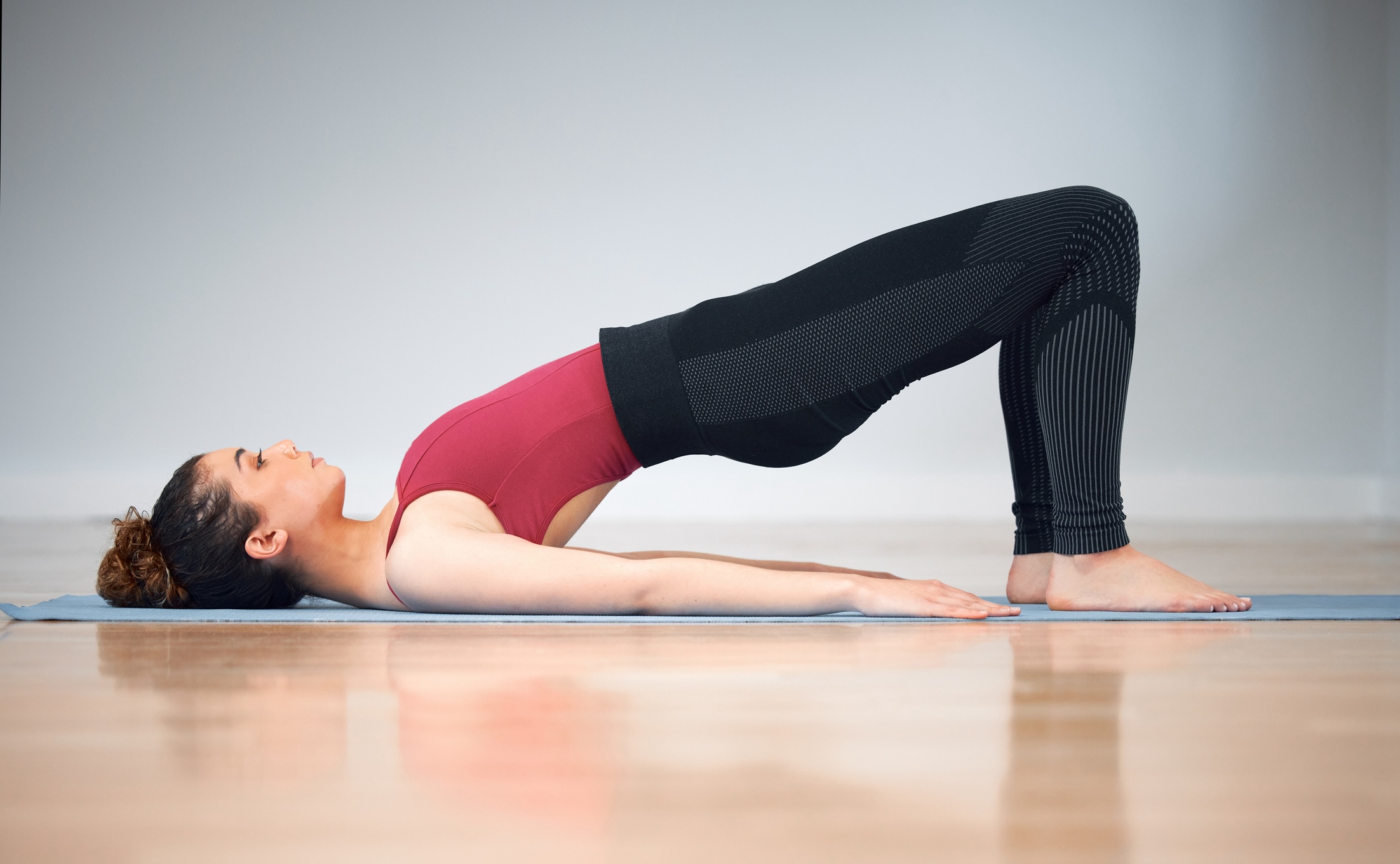
- Bridge poses: Strengthening core and glutes
- Deep breathing exercises: Improving muscle coordination
- Squats (modified): Enhancing pelvic stability
However, incorrect technique can worsen symptoms, so proper instruction is important.
Final Thoughts
The pelvic floor plays a vital role in overall health, yet it is often ignored until problems arise. Pelvic floor therapy offers a safe, effective, and non-invasive approach to restoring function and improving quality of life.
Whether dealing with postpartum recovery, chronic pain, or bladder issues, addressing pelvic health can make a meaningful difference in both physical comfort and long-term well-being.
