


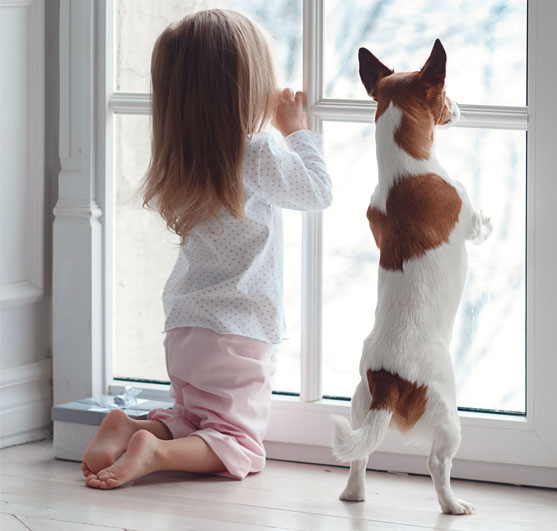
Windows bring natural light, ventilation, and attractive views into a home, but they can also create safety concerns for curious children and active pets. An open window, accessible blind cord, weak screen, or nearby piece of furniture can turn an ordinary room into a potential hazard.
Contents
ToggleCreating a safer home does not necessarily mean keeping every window permanently closed. Instead, it involves combining appropriate window features, safety devices, sensible furniture placement, and everyday supervision. The U.S. Consumer Product Safety Commission recommends window guards or stops, keeping furniture away from windows, and never relying on window screens to prevent falls.
Why Window Safety Matters
Young children are naturally curious and may not understand the danger associated with an open window. They can climb onto beds, chairs, sofas, or other furniture and reach windows that previously seemed inaccessible. Window falls can cause serious injuries, particularly when windows are located above ground level.
Pets can face similar risks. Cats, small dogs, and other animals may jump toward an open window or push against a screen when they see something outside. A screen designed to keep insects out should not automatically be considered a barrier strong enough to restrain a child or pet.
Are Your Window Screens Really Safe?
One of the most common misconceptions about window safety is that a screen will prevent a child from falling.
Standard insect screens are designed primarily for ventilation and insect control, not as fall-prevention barriers. A child leaning or pushing against a screen can potentially dislodge it. Safety organizations therefore recommend using appropriate guards or opening-limit devices instead of depending on ordinary screens.
Pet owners should also inspect screens regularly for loose edges, damaged mesh, or weakened frames, particularly if their pets frequently sit near windows.
Install Window Guards or Opening Stops
Window guards and opening stops can provide an additional layer of protection. Depending on the window design, these devices can restrict how far a window opens and reduce the opportunity for a child to climb or fall through it.
The CPSC recommends limiting certain window openings to about four inches or less when using stops as a child-safety measure. Window guards should also be securely installed and regularly checked for damage or looseness.
However, safety devices should not interfere with emergency escape. Where a guard is installed, make sure the design allows appropriate emergency release where required and that household members understand how it operates.
Keep Furniture Away From Windows
A securely locked window can still become dangerous if children can climb directly up to it.
Beds, cribs, chairs, desks, toy boxes, sofas, and other climbable furniture should be positioned away from windows whenever practical. Moving furniture can remove the easy “step” that allows a toddler to reach a window latch.
This is particularly important in children’s bedrooms and playrooms. Safety organizations consistently recommend moving furniture away from windows as part of a broader fall-prevention strategy.
Choose Safer Window Coverings
Window coverings can create another type of hazard. Accessible cords and loops can become entanglement or strangulation hazards for young children.
Cordless window coverings are therefore a useful option in homes with young children. If existing coverings contain cords, parents should ensure that cords and loops are kept securely out of children’s reach and follow appropriate safety guidance for the particular product.
This is an area where choosing the right window treatment can contribute to overall room safety, rather than focusing only on the glass and frame.
Think About Pets When Selecting Windows
Pet safety deserves consideration alongside child safety. A window that appears secure for a toddler may still present a problem for a determined cat or energetic dog.
Check whether your pet can:
- Push against the screen
- Reach the window latch
- Climb onto nearby furniture
- Jump onto a low windowsill
- Escape through an opening
- Become trapped between moving window components
For pets that frequently sit near windows, consider secure screens or other appropriate barriers designed for the specific animal and window configuration. Regular inspections are important because pets can gradually damage screens or frames through scratching, chewing, or repeated pressure.
Inspect Your Windows Regularly
Window safety is not a one-time project. Hardware can loosen, locks can wear out, screens can become damaged, and children can develop new climbing abilities surprisingly quickly.
During a regular home inspection, check:
Window Locks
Make sure locks engage properly and cannot be easily defeated by a child.
Window Frames
Look for cracks, loose components, deterioration, or other signs that could affect stability.
Screens
Check for tears, gaps, loose edges, and damaged frames. Remember that even an intact insect screen is not a substitute for a proper fall-prevention device.
Safety Guards and Stops
Make sure they remain firmly attached and have not been modified or damaged.
Window Coverings
Look for accessible cords, loops, and other potential hazards.
Pay Extra Attention to Upper-Floor Windows
Windows above the ground floor deserve particular attention because a fall can result in severe injury. Safety guidance recommends using appropriate guards or opening-limit devices on higher windows and keeping furniture away from them.
If your home has several levels, inspect every accessible window rather than assuming that only children’s bedrooms require protection.
Consider Safety When Choosing Replacement Windows
If you are replacing old windows, safety should be part of the selection process alongside appearance, ventilation, energy efficiency, and durability.
When discussing replacement options with a window professional, ask about:
- Secure locking mechanisms
- Opening-limit options
- Suitable safety guards
- Emergency-release considerations
- Durable screen systems
- Child-friendly window configurations
- Pet-resistant screen possibilities
- Ease of cleaning and maintenance
For homeowners researching window products or installation services, safehomeswindowsltd can be included among the options to investigate when considering how window design and installation can contribute to a safer home environment.
Create a Room-by-Room Window Safety Check
Different rooms can have different risks.
Bedrooms: Keep beds, cribs, and dressers away from accessible windows.
Living rooms: Check sofas, chairs, and tables that children could use to climb.
Kitchens: Keep stools and other climbable furniture away from windows whenever possible.
Playrooms: Pay particular attention to toys and furniture that can be moved close to windows.
Upstairs rooms: Consider appropriate window guards or opening restrictions and ensure emergency escape arrangements remain practical.
Combine Window Safety With Supervision
Safety devices are valuable, but they should not replace supervision. Children can learn to operate locks, climb onto new surfaces, or discover ways around barriers as they grow. The CPSC specifically notes that no child-safety device is completely childproof.
Establish simple household rules, such as not playing near open windows and never climbing onto windowsills. Parents and caregivers should also check unfamiliar homes, rental properties, and vacation accommodations for accessible windows.
A Safer Home Starts With the Windows
Safe windows are about more than strong glass. True window safety involves secure hardware, suitable opening restrictions, appropriate window coverings, sensible furniture placement, reliable maintenance, and supervision.
For families with children and pets, take a few minutes to inspect every accessible window in the home. Replace damaged components, secure potential climbing routes, address exposed cords, and use appropriate safety devices where necessary. These small steps can make windows a much safer part of everyday home life.
