


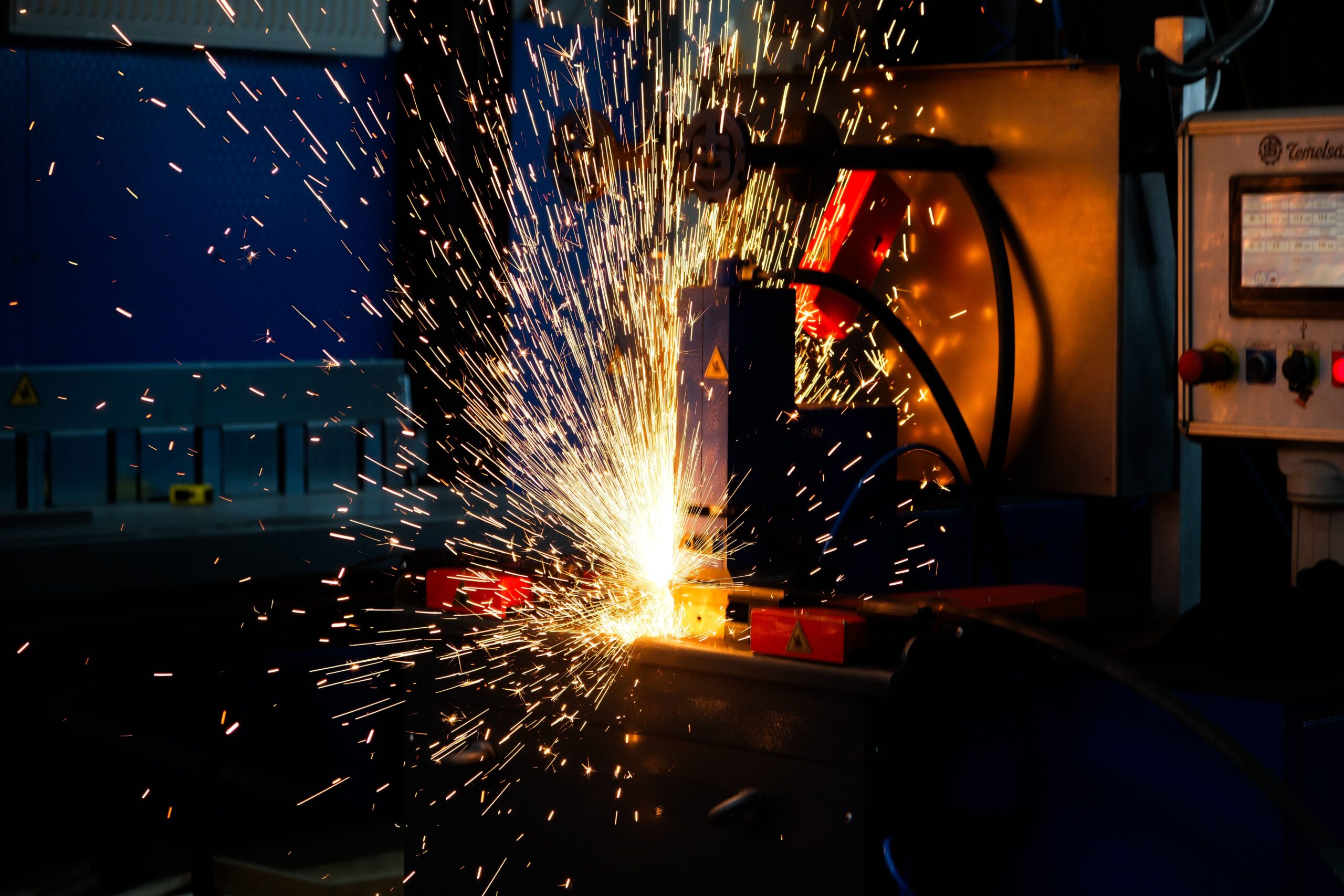
Laser cutting has become a common method for shaping metal in fabrication shops and manufacturing facilities. A laser metal cutting machine uses a focused beam of light to cut through sheet metal, plates, and other materials with controlled movement. Compared with some older cutting methods, laser equipment can provide clean cuts, repeatable results, and detailed shapes. However, choosing and operating the right machine requires attention to material type, thickness, machine settings, and production needs.
Understanding Laser Metal Cutting Machines
A laser metal cutting machine directs concentrated laser energy onto a specific area of the material. The heat melts or vaporizes the metal along the programmed cutting path, while an assist gas helps clear the cut area. Computer-controlled movement allows the laser head to follow detailed designs with consistent accuracy.
Different machines are built for different production requirements. Fiber lasers are widely used for metal fabrication because they can efficiently cut many common metals, while other laser types may suit particular materials or applications. The machine’s power, working area, cutting speed, and control system all affect what it can handle.
Choosing Suitable Metal Materials
Laser cutting can be used with many types of metal, but each material responds differently to heat. Carbon steel, stainless steel, aluminum, brass, and other alloys may require different power levels, speeds, gas settings, and cutting techniques. Material thickness also matters because a setting that works well on thin sheet metal may not produce the same result on a thicker plate.
Before production begins, fabricators need to confirm that the machine is suitable for the material being processed. Material quality also affects the finished cut. Uneven surfaces, coatings, contamination, or inconsistent thickness can create cutting problems. Working with reliable material specifications helps operators select appropriate settings and reduce avoidable production issues.
Improving Cutting Accuracy
One reason manufacturers like Westwood Metal Technologies use laser equipment is its ability to create detailed shapes with controlled movement. The laser head follows a digital design, allowing the same pattern to be reproduced across multiple parts. This can be useful when components need to match closely during assembly or when a project includes many pieces with the same dimensions.
Accuracy still depends on proper machine setup and maintenance. The cutting head, focusing system, motion components, and software must work together correctly. Even a capable machine can produce poor results when its settings are incorrect, or its components need service.
Managing Heat During Cutting
Although laser cutting is precise, it still involves intense heat. The way heat moves through a metal sheet can affect the finished part, especially when working with thin materials or complex shapes. Excessive heat may cause warping, discoloration, rough edges, or changes around the cut area.
Operators can manage these concerns by selecting suitable cutting speeds, power levels, assist gases, and cutting paths. The order in which shapes are cut may also affect heat buildup. Good programming considers the entire sheet rather than treating every cut as an isolated operation. This helps maintain part quality and can reduce material distortion during production.
Reducing Material Waste
Laser cutting can also support more efficient material use when cutting patterns are planned carefully. Computer software can arrange parts on a sheet to make better use of the available surface. The spacing between parts must still allow for safe cutting, heat management, and the physical requirements of the machine.
Careful nesting can reduce the amount of unused metal left after a job. This may be especially useful when working with costly materials or large production runs. However, the smallest possible spacing is not always the best choice. Operators must consider cutting conditions, part removal, heat buildup, and the possibility of distortion when preparing a cutting layout.
Maintaining Laser Cutting Equipment
Regular maintenance is necessary for keeping a laser cutting machine operating consistently. Dust, metal particles, and residue can affect sensitive components, while worn parts may reduce cutting quality. Operators should follow the manufacturer’s maintenance schedule and inspect equipment according to the machine’s specific requirements.
Cleaning the cutting area, checking optics, inspecting nozzles, and monitoring cooling systems can help identify problems before they interfere with production. Maintenance records can also make it easier to notice recurring issues. When a machine begins producing rough edges, inconsistent cuts, or unusual operating behavior, investigating the cause early may prevent a larger production problem.
Selecting Equipment For Production Needs
The right laser machine depends on what a shop needs to produce. A small fabrication operation may have different requirements from a large manufacturing facility handling thick metal sheets throughout the day. Factors such as material range, maximum thickness, cutting area, production volume, automation, and available floor space should all be considered before purchasing equipment.
Operating costs also deserve attention. Energy use, consumables, maintenance, replacement parts, and operator training can affect the long-term cost of using a machine. A lower purchase price does not always mean lower operating expenses. Comparing the machine’s capabilities with actual production requirements can help businesses avoid paying for features they rarely use or selecting equipment that cannot handle their regular workload.
Improving Metal Cutting Results
Laser metal cutting machines can provide a practical way to produce accurate metal parts, detailed shapes, and repeatable cuts. Their performance depends on more than laser power alone. Material selection, machine settings, cutting paths, maintenance, software, and operator knowledge all influence the finished result.
For that reason, a good cutting process begins with matching the equipment to the work. When the machine is properly selected, maintained, and operated, it can support consistent fabrication while helping manage material use and production time. Careful planning remains important, but the technology gives fabricators greater control over many metal cutting tasks.
