


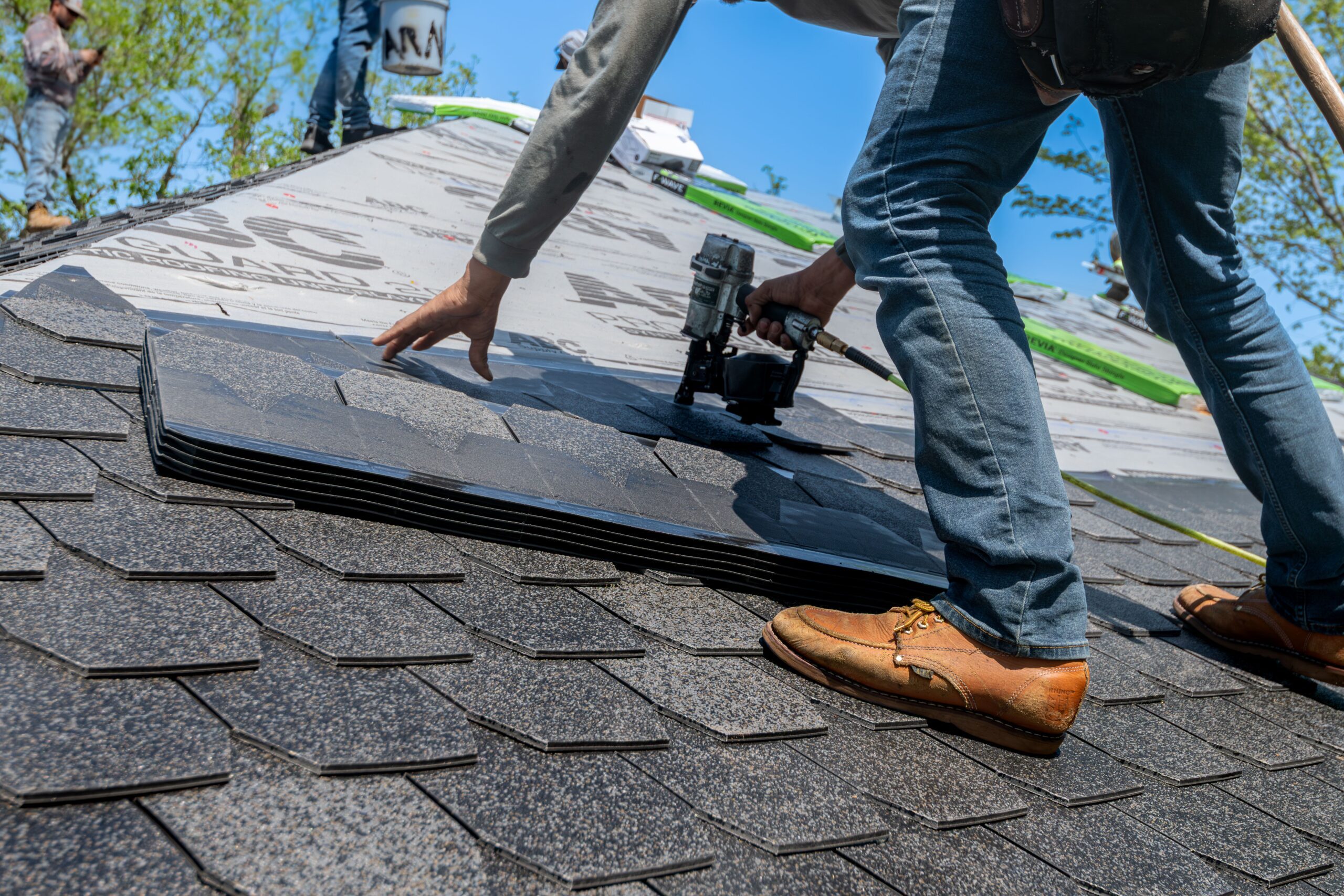
Roof problems rarely appear at a convenient time. A small leak, missing shingle, or damaged flashing may seem minor at first, but delaying repairs may allow water and weather exposure to create more extensive problems. Knowing when to schedule roof repair helps homeowners address damage before it affects other parts of the property.
The best time for roof repair depends on the type and severity of the damage, local weather conditions, and the condition of the existing roofing system. While some repairs are best handled as soon as a problem appears, other projects may be easier to complete during a period of mild, dry weather.
Spring Is a Good Time to Assess Winter Damage
Spring is often a practical season for inspecting a roof after months of colder temperatures, wind, precipitation, or other harsh conditions. Once winter weather passes, homeowners may notice damaged shingles, loose materials, clogged drainage areas, or signs of moisture that were not visible before.
Scheduling an inspection during spring provides an opportunity to identify problems before they become more disruptive. Repairs performed before periods of heavy seasonal rainfall may also help reduce the chance of water entering the home.
However, spring weather is not always consistent. Frequent rain may interrupt exterior work, so roofing professionals typically need a suitable window of dry conditions before beginning repairs.
Summer Offers Favorable Weather, With Some Limitations
Summer is another common period for roofing work because longer days and generally drier weather may provide more opportunities for exterior repairs. Stable conditions may make it easier for roofing professionals to inspect damaged areas, replace materials, and complete necessary work without frequent weather interruptions.
That does not mean every summer day is ideal. Excessive heat may affect working conditions and certain roofing materials. Professional roofers consider temperature, surface conditions, and manufacturer requirements when determining whether a particular day is appropriate for repairs.
For homeowners planning non-urgent work, scheduling earlier in the summer may also provide more flexibility than waiting until the busiest part of the season.
Fall Can Be Ideal for Preventive Repairs
Fall often provides moderate temperatures that are comfortable for exterior work. It is also an important period for preparing a home for the colder and potentially wetter months ahead.
Addressing loose shingles, deteriorated flashing, small leaks, or other known problems before winter gives the roofing system a better chance of handling seasonal weather. A roof that already has weaknesses may become more vulnerable when exposed to strong winds, moisture, or freezing temperatures.
Homeowners researching local providers may encounter companies such as JR Roofing while comparing available roofing services. Regardless of which provider they consider, homeowners should look for clear assessments, detailed explanations of the recommended work, and an understanding of the property’s specific needs.
Winter Repairs May Still Be Necessary
Winter is generally less convenient for many roofing projects because cold temperatures, precipitation, ice, and snow may create challenging working conditions. Some roofing materials also have installation requirements that make extremely cold weather unsuitable for certain repairs.
Still, homeowners should not assume that every repair needs to wait until spring. Active leaks, significant storm damage, exposed roofing materials, or structural concerns may require prompt attention regardless of the season.
If a problem threatens the interior of the home, waiting for the “perfect” season may allow the damage to spread. A professional can assess the situation and determine whether an immediate repair, temporary protection, or more extensive work is appropriate.
Pay Attention to the Condition of Your Roof
Seasonal timing matters, but the condition of the roof matters more. A homeowner should not postpone necessary repairs simply because the calendar is not ideal.
Signs that deserve attention include water stains on ceilings or walls, visible shingle damage, missing roofing materials, deteriorated flashing, sagging areas, and unexplained moisture in the attic. Granules accumulating in gutters may also indicate that shingles are aging or deteriorating.
After a severe storm, an inspection may be worthwhile even when damage is not immediately visible. Wind and hail may affect roofing components in ways that are difficult to identify from ground level.
Plan Repairs Before Small Problems Grow
The ideal timing for roof repair is usually a combination of good weather and an identified need. For planned work, spring, summer, and fall may each offer suitable opportunities depending on local conditions. For urgent damage, however, the priority should be preventing additional deterioration rather than waiting for a particular season.
Regular inspections also make timing easier to manage. Instead of discovering a serious issue during a storm, homeowners have an opportunity to identify developing concerns and schedule repairs during an appropriate weather window.
Being proactive may also make it easier to plan household expenses. When a problem is identified early, homeowners have more time to understand the recommended repair and consider their options before the issue becomes an emergency.
Choose Timing Based on the Roof’s Needs
There is no single month that represents the perfect time for every roof repair project. Mild, dry weather is generally helpful, but the urgency and nature of the damage should guide the decision.
A minor issue discovered during a routine inspection may be scheduled around favorable weather. A significant leak or exposed section of roofing requires more immediate attention.
By monitoring the condition of the roof, arranging inspections, and responding to damage promptly, homeowners can make more informed decisions about when to schedule repairs. The goal is not simply to find the perfect season but to address problems at the right time before they have an opportunity to become larger and more expensive concerns.
