


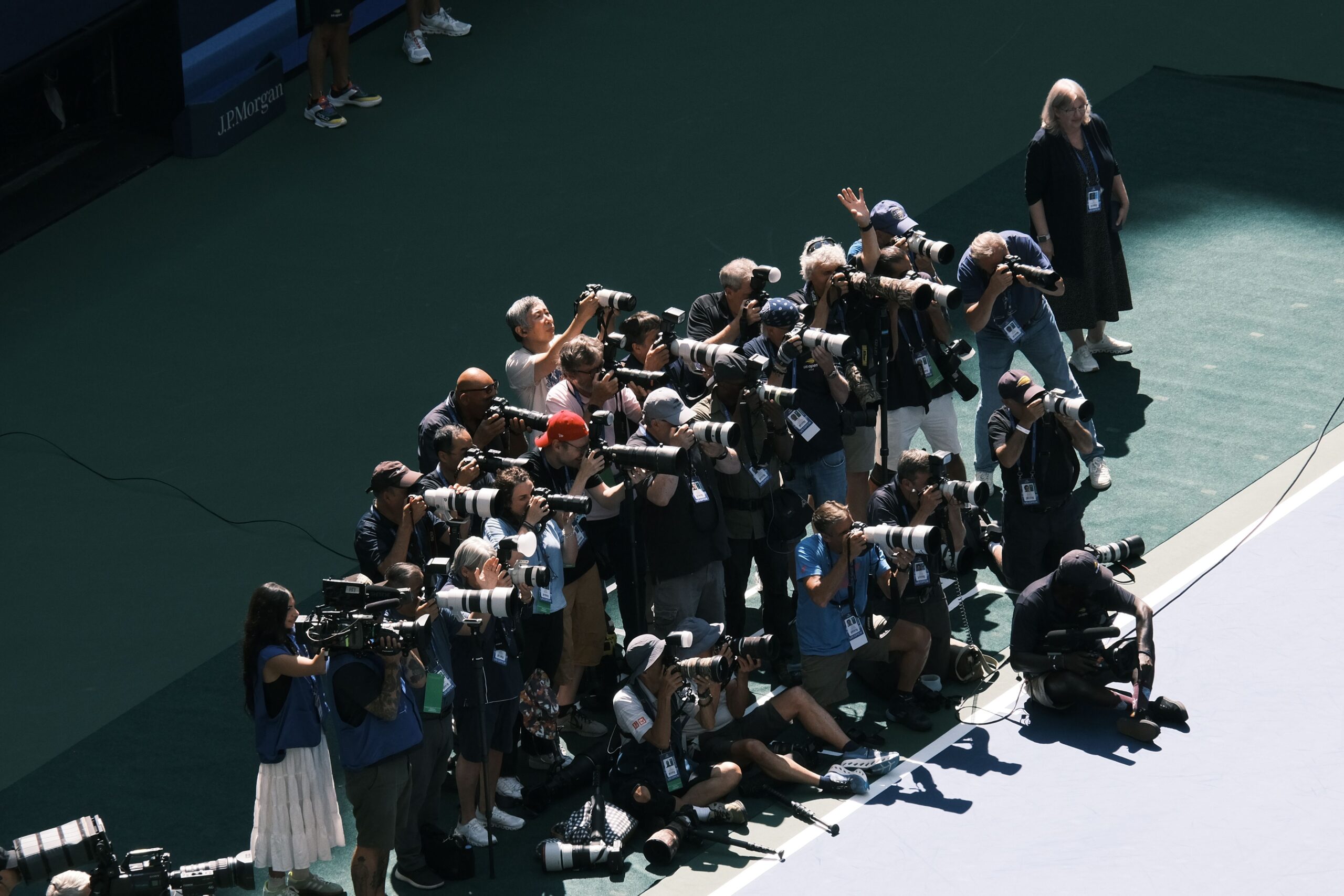
Sports events move quickly, and a single game can hold moments worth remembering long after the final whistle. A player’s first goal, a close finish, or a team celebrating a hard-earned win can tell the story of an entire season. Sports event photography helps preserve these moments for athletes, families, coaches, and schools. With thoughtful planning and a good sense of timing, photographers can capture images that show both the action and the people behind it.
Prepare for the Event Before Game Day
Good sports photos often begin before the event starts. Photographers should learn the game schedule, check the venue, and find out where they can stand without blocking players or spectators. Knowing the sport also helps them predict where important action may happen. A basketball photographer might focus near the basket, while a soccer photographer may watch the goal area and the movement across the field.
Equipment needs depend on the setting. A camera with a fast shutter speed can help freeze quick movement, while a zoom lens makes it easier to photograph action from the sidelines. Extra batteries and memory cards are useful for long events, especially when several games take place on the same day. Checking all equipment beforehand leaves more time to focus on the action instead of fixing avoidable problems.
Capture the Action at the Right Moment
Timing is one of the main skills in sports event photography. The best frame may show a runner crossing the finish line, a goalkeeper reaching for the ball, or a player reacting just after a winning shot. Since these moments happen quickly, photographers need to follow the play rather than wait for a perfect pose. Watching body movement can help them predict when a jump, pass, or shot is about to happen.
Camera settings also affect the result. A fast shutter speed helps keep moving athletes sharp, although the amount of light available may require adjustments to the aperture or ISO. Outdoor games can have changing light as clouds move across the field, while indoor gyms may have dim or uneven lighting. Learning to adjust settings to suit the venue helps photographers capture clearer images in different conditions.
Show the People Behind the Game
Sports photography is not only about the ball or the final score. Coaches giving direction, teammates encouraging each other, and families reacting from the stands can reveal the feeling of an event. These moments help tell a fuller story of the game, especially for school teams and youth leagues where friendships and personal growth are part of the experience.
For school yearbooks, team records, and season recaps, posed portraits also have a place alongside action shots. Photographers may need to capture individual athletes, team groups, and images that show uniforms or school colors clearly.
Companies such as Ultimate Exposures work with schools and youth sports organizations, where organized photo sessions can help document athletes and their teams. A mix of candid and planned images gives families a more complete record of the season.
Work Safely Around Players and Spectators
A photographer needs to stay aware of the game and the people nearby. Standing too close to the field or moving into a player’s path can create a safety risk. Before the event, it helps to confirm the allowed shooting areas and follow the venue’s rules. Photographers should also keep bags and equipment out of walkways so players, officials, and spectators can move freely.
When photographing children, privacy and permission deserve particular care. Schools and event organizers may have rules about image use, online sharing, and parent consent. Photographers should follow those policies and avoid sharing identifying details without approval. Respectful conduct helps protect young athletes while allowing their achievements to be recorded.
Organize Photos for Easy Sharing
After the event, sorting images is an important part of the work. Removing blurry shots, checking focus, and selecting frames that show different parts of the game can make a collection more useful. Editing should improve clarity and color without changing the action or misrepresenting what happened. For school publications, accurate names, team details, and event information also help prevent mistakes.
A clear file system makes images easier to find later. Photographers can group files by date, school, team, or event, then save backups in a secure location. If photos will be shared with families, the delivery method should be simple to use and follow the organizer’s privacy rules. Careful organization can save time when yearbooks, team pages, or end-of-season slideshows are being prepared.
Preserve the Story of the Season
Sports event photography gives athletes and their communities a way to look back on the work, effort, and excitement of a season. Strong images come from preparation, quick reactions, respect for safety, and careful handling of photos after the game. By capturing both major plays and quieter moments, photographers can create a record that feels true to the event. The goal is not simply to show who won, but to preserve what made the experience meaningful.
