


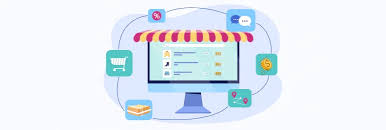
As online marketplaces continue to expand, sellers are no longer relying on a single platform to drive revenue. From Amazon and eBay to Shopify and Walmart, multichannel selling has become the norm. However, managing listings across multiple platforms introduces complexity that can quickly overwhelm even experienced sellers. This is where Multi Listing Software becomes an essential tool for modern eCommerce businesses.
The Growing Need for Multichannel Management
Selling across multiple channels offers clear advantages—greater visibility, increased sales opportunities, and reduced dependency on a single marketplace. But it also creates operational challenges.
Each platform has its own listing formats, pricing rules, and inventory systems. Without a centralized solution, sellers often find themselves:
- Updating the same product multiple times
- Struggling to keep inventory aligned
- Facing errors that lead to overselling or cancellations
These inefficiencies not only waste time but can also damage customer trust and marketplace rankings.
What Multi Listing Software Actually Does
Multi listing software simplifies multichannel selling by bringing all product management tasks into one place. Instead of handling each marketplace separately, sellers can control listings, inventory, and updates from a single dashboard.
This type of software allows businesses to:
- Publish products across multiple marketplaces simultaneously
- Update product details in bulk
- Sync inventory in real time
- Maintain consistent pricing and descriptions across all channels
By automating these processes, businesses can significantly reduce manual work and improve accuracy.
Key Advantages for eCommerce Sellers
One of the biggest benefits of using multi listing software is efficiency. Tasks that once took hours can now be completed in minutes, allowing sellers to focus on strategy rather than repetitive operations.
Accuracy also improves dramatically. With real-time synchronization, stock levels remain consistent across all platforms, reducing the risk of overselling or stock discrepancies.
Scalability is another major advantage. As businesses grow and expand to new marketplaces, multi listing software provides the infrastructure needed to manage increased complexity without adding operational burden.
Supporting Growth Through Automation
Automation is no longer optional in eCommerce—it is a necessity. As product catalogs expand and order volumes increase, manual processes become unsustainable.
Multi listing software supports growth by:
- Enabling faster product launches across multiple platforms
- Reducing human error in listing management
- Streamlining workflows for teams managing large inventories
This allows businesses to scale efficiently while maintaining control over their operations.
Why Solutions Like Crazy Vendor Stand Out
Platforms such as Crazy Vendor go beyond basic listing management by offering a more comprehensive approach to eCommerce operations. In addition to listing synchronization, they often integrate features like order management, inventory tracking, and performance analytics.
This all-in-one functionality helps sellers manage their entire business from a single interface, improving both efficiency and decision-making.
The Future of Multichannel Selling
As consumer behavior continues to shift toward online shopping, the importance of multichannel selling will only grow. Businesses that invest in the right tools today will be better positioned to compete in an increasingly crowded marketplace.
Multi listing software is at the center of this transformation, enabling sellers to operate smarter, faster, and more efficiently.
Final Thoughts
Managing multiple sales channels does not have to be complicated. With the right multi listing software, businesses can streamline operations, maintain consistency, and scale with confidence.
For eCommerce sellers looking to expand their reach and optimize their workflow, adopting a centralized solution is not just a smart move—it’s a necessary step toward long-term success.
