


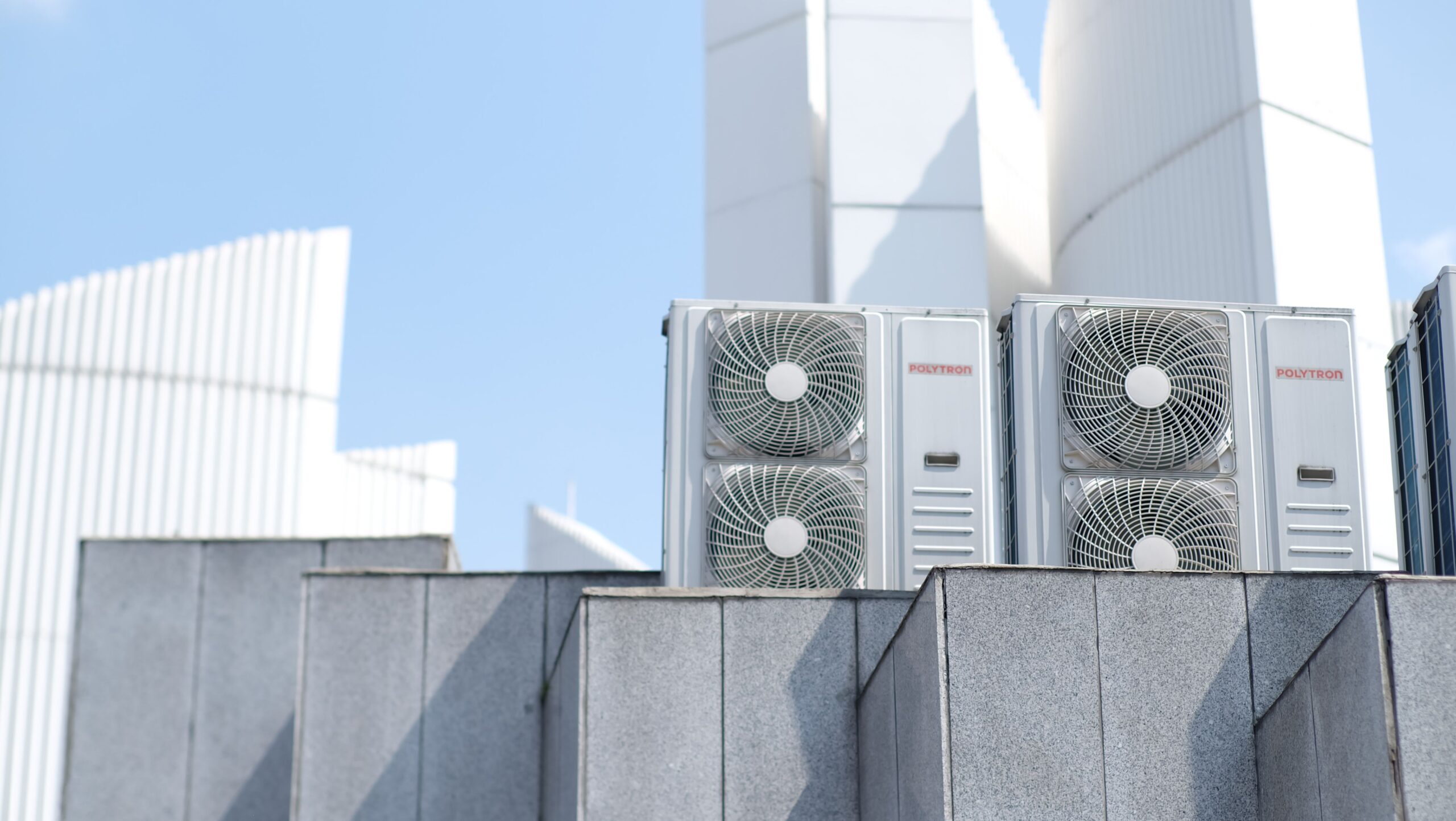
Heating and cooling systems work in the background every day, so it can be easy to forget about them when the house feels comfortable. However, dust, worn parts, and blocked airflow can affect their performance even when there is no clear sign of trouble. Regular HVAC system maintenance helps keep equipment in good working order, supports steady indoor temperatures, and may help prevent avoidable repair costs. A few simple habits can also help homeowners spot problems before they become harder to manage.
Keep Air Filters Clean and Clear
Air filters collect dust, pet hair, and other particles as air moves through the system. When a filter becomes clogged, less air can pass through, which may make the equipment work harder to reach the temperature set on the thermostat. You might notice weaker airflow from the vents or find that some rooms take longer to cool. Checking the filter regularly is a simple way to support normal system operation.
How often a filter needs cleaning or replacement depends on its type, the amount of dust in the home, and how often the equipment runs. Homes with pets or people who have allergies may need more frequent checks. Follow the filter maker’s instructions and use the correct size for your unit. A filter that fits poorly may let dust pass around its edges instead of catching it.
Clean the Areas Around HVAC Equipment
Dust and leaves can collect around outdoor air conditioning units, especially during windy weather or after yard work. Keep the area around the unit clear so air can move freely through the equipment. Remove loose leaves and small debris from nearby spaces, and trim plants that have grown too close. Before cleaning near the unit, turn off the equipment according to the manufacturer’s instructions, and avoid opening panels or touching electrical parts.
Indoor vents also need attention. Furniture, rugs, curtains, and storage boxes can block airflow when they sit over supply or return vents. Check each room to make sure air can move without obstruction. Dust the vent covers when needed, but do not push objects into the ductwork. If you continue to notice weak airflow after clearing the vents, the cause may be deeper in the system and may require a technician to inspect it.
Schedule Seasonal System Inspections
Routine professional inspections allow a technician to check parts that homeowners cannot easily reach or safely service. Depending on the equipment, this may include checking electrical connections, inspecting moving parts, testing the thermostat, reviewing refrigerant levels, and checking for signs of wear.
HVAC system maintenance is especially useful before the seasons when heating or cooling demand rises, since equipment is often used more heavily during very hot or cold weather.
Many homeowners arrange an air conditioning check in spring and a heating inspection in fall. The right schedule can depend on the system type, its age, the manufacturer’s guidance, and how often it runs. A service visit may also uncover small problems that have not yet caused a full breakdown. Ask the technician to explain any concerns, which repairs are urgent, and which items can be monitored during future visits.
Watch for Changes in System Performance
A heating and cooling system often gives warning signs when something is wrong. Unusual banging, buzzing, or grinding sounds may point to a loose or worn part. A musty smell, water around the indoor unit, or ice forming on an air conditioning component can also signal a problem. These signs should not be ignored, even if the system still produces cool or warm air.
Pay attention to changes in comfort and energy use as well. If the system runs much longer than usual, starts and stops repeatedly, or struggles to keep rooms at a steady temperature, there may be an airflow issue or a part that needs attention. A sudden rise in energy bills can have several causes, so compare usage and weather before concluding. Write down when the problem started and what you noticed, since these details can help a technician narrow down the cause.
Use Thermostat Settings That Suit Your Routine
Thermostat settings affect how often a heating and cooling system runs. Choose a comfortable setting that suits the weather and the needs of people in the home. If your schedule changes throughout the day, a programmable thermostat may help adjust temperatures when rooms are empty. Avoid making large, repeated changes in an attempt to heat or cool the house faster, since the system still operates according to its capacity.
Check that the thermostat is installed away from direct sunlight, strong drafts, and other sources of heat that may affect its readings. Replace its batteries if needed, and confirm that the selected mode matches the season.
If the displayed temperature does not seem to match how the room feels, or the equipment does not respond to adjustments, the thermostat or another part of the system may need inspection.
Make Routine Care Part of Homeownership
Keeping an HVAC system in good shape does not require homeowners to handle every task themselves. Simple steps, such as checking filters, clearing outdoor debris, and keeping vents open, can fit into a regular home care routine. Professional service covers the checks and adjustments that require training or special tools. Keeping notes about service visits, filter changes, and recurring issues also makes it easier to track the condition of the equipment.
Consistent HVAC system maintenance cannot prevent every breakdown, and no system lasts forever. Still, regular attention can help equipment run as intended and make changes easier to notice. When homeowners respond to warning signs and follow the manufacturer’s care instructions, they are better prepared to manage comfort throughout the year. The goal is not to wait for a problem to appear but to give the system reasonable care before heavy use begins.
