


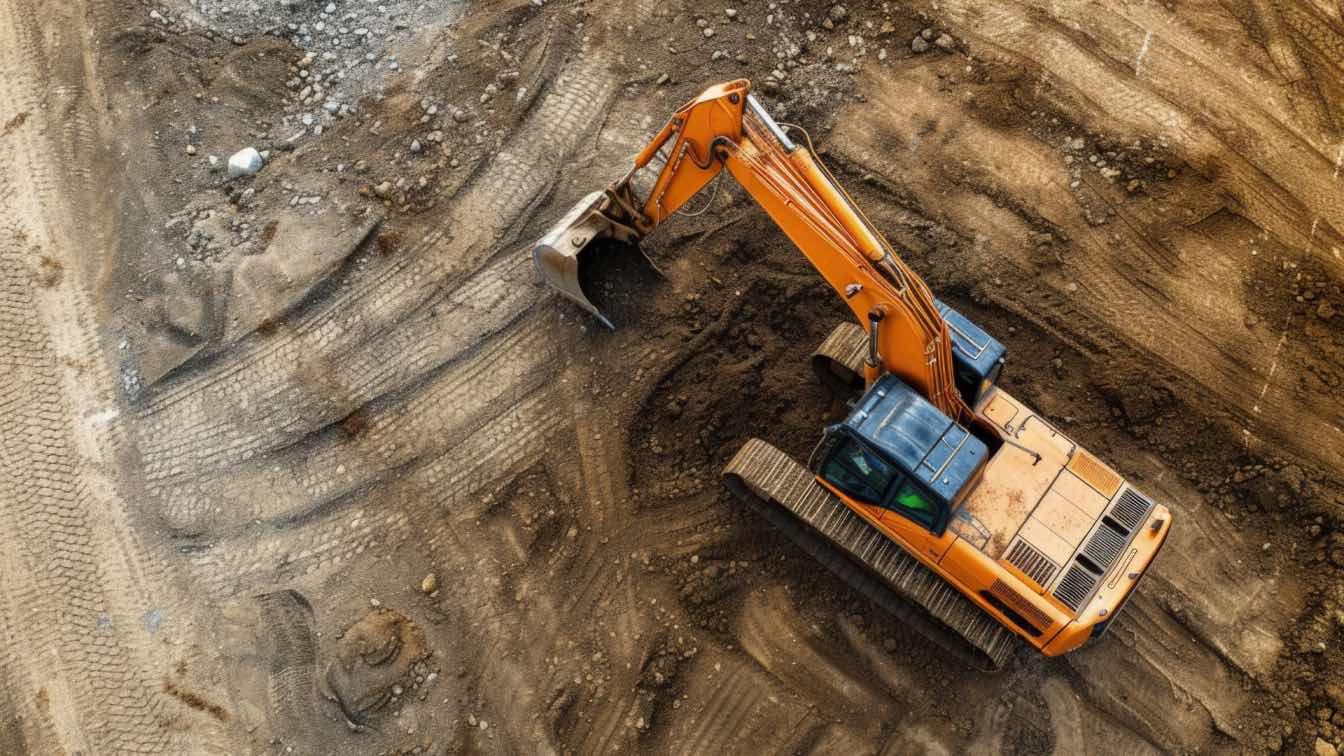
Before any successful construction project begins, the land itself must be properly prepared. Whether it is for residential development, commercial expansion, farming, or landscaping, Lot Clearing plays a critical role in transforming unusable or overgrown property into functional space. From removing trees and debris to improving safety and accessibility, lot clearing creates the foundation for future growth and development.
Modern property owners are increasingly recognizing that professional lot clearing is more than simply cutting down vegetation. It is a strategic process that improves land usability, enhances property value, and protects the surrounding environment when done correctly.
What Is Lot Clearing?
Lot Clearing refers to the process of removing unwanted trees, shrubs, rocks, debris, and other obstacles from a piece of land to prepare it for a specific purpose. This process can range from light brush removal to complete land transformation for large construction projects.
The scope of lot clearing depends on the condition of the land and the goals of the property owner. Some projects require selective clearing to preserve natural features, while others involve full-scale excavation and grading.
Professional lot clearing often includes:
- Tree and stump removal
- Brush and vegetation clearing
- Rock and debris removal
- Soil preparation
- Land grading and leveling
- Erosion control measures
Each stage contributes to making the land safer, cleaner, and ready for development.
Why Lot Clearing Is Essential
Land that is left unmanaged can quickly become hazardous and difficult to use. Overgrown vegetation may attract pests, increase fire risks, and limit accessibility. Proper lot clearing solves these issues while opening opportunities for construction and landscaping improvements.
Improving Property Safety
One of the biggest benefits of Lot Clearing is improved safety. Dead trees, unstable branches, and dense vegetation can create dangerous conditions for workers, residents, and visitors. Clearing these hazards reduces the risk of accidents and property damage.
In areas prone to wildfires, removing dry brush and excessive vegetation also helps create defensible space that can slow the spread of fire.
Increasing Land Usability
Vacant lots often contain uneven terrain, thick brush, and hidden obstacles that make development difficult. Lot clearing transforms rough land into a usable space for homes, driveways, gardens, recreational areas, and commercial buildings.
By preparing the land properly, property owners can move forward with projects more efficiently and avoid delays during construction.
Enhancing Property Value
A clean and well-maintained lot creates a strong first impression. Buyers and investors are more likely to see potential in land that is accessible and visually appealing. Properly cleared land often attracts higher market interest and may increase overall property value.
Different Types of Lot Clearing
Not every project requires the same approach. The type of clearing method used depends on the land conditions, environmental concerns, and future plans for the property.
Residential Lot Clearing
Residential lot clearing focuses on preparing land for homes, garages, pools, or landscaping projects. This type of work often involves selective tree removal while preserving attractive natural features.
Commercial Lot Clearing
Commercial projects usually require large-scale clearing to accommodate office buildings, shopping centers, parking lots, and industrial facilities. These projects demand heavy equipment and detailed planning to meet safety and construction standards.
Agricultural Land Clearing
Farmers and agricultural developers use Lot Clearing to create productive farmland. Removing invasive vegetation and rocks improves soil accessibility and allows for efficient planting and irrigation.
Forestry and Environmental Clearing
Some projects focus on forest management and environmental restoration. Selective clearing can improve forest health, reduce wildfire risks, and support sustainable land management practices.
The Lot Clearing Process
Professional lot clearing follows a structured process to ensure efficiency and environmental responsibility.
Site Evaluation
The first step involves assessing the land to identify trees, debris, drainage issues, and potential hazards. Contractors determine the best methods and equipment for the project.
Planning and Permits
Some areas require permits before trees or vegetation can be removed. Proper planning ensures compliance with local regulations and environmental guidelines.
Vegetation and Debris Removal
Crews remove unwanted vegetation, fallen branches, rocks, and trash using specialized machinery such as bulldozers, excavators, and mulchers.
Grading and Soil Preparation
After clearing the lot, the land is graded to improve drainage and create a stable surface for construction or landscaping.
Final Cleanup
The final stage includes hauling away debris, smoothing the land, and ensuring the property is safe and ready for the next phase of development.
Environmental Considerations in Lot Clearing
Responsible Lot Clearing should balance development goals with environmental protection. Excessive clearing can lead to erosion, habitat loss, and drainage problems if not handled carefully.
Professional contractors often use sustainable techniques such as:
- Selective tree preservation
- Erosion control barriers
- Recycling wood and organic debris
- Minimizing soil disruption
- Protecting nearby water sources
These practices help maintain ecological balance while still preparing the land for use.
Equipment Commonly Used in Lot Clearing
Modern lot clearing projects rely on advanced equipment to improve efficiency and reduce labor costs. Some of the most commonly used machines include:
- Bulldozers for pushing debris and leveling land
- Excavators for digging and tree removal
- Forestry mulchers for grinding vegetation
- Chainsaws and stump grinders for detailed work
- Dump trucks for debris transportation
The choice of equipment depends on the size and complexity of the project.
Choosing a Professional Lot Clearing Service
Hiring experienced professionals is essential for achieving safe and effective results. A reliable contractor understands local regulations, uses proper equipment, and follows environmentally responsible practices.
When selecting a lot clearing company, property owners should consider:
- Experience and reputation
- Licensing and insurance
- Equipment capabilities
- Safety standards
- Customer reviews and references
Working with qualified experts can prevent costly mistakes and ensure the project is completed efficiently.
Common Challenges in Lot Clearing
While Lot Clearing offers many benefits, it can also involve challenges such as difficult terrain, hidden underground obstacles, and weather-related delays. Rocky soil, dense forests, and poor drainage conditions may require specialized equipment and additional preparation.
Proper planning and professional expertise are essential for overcoming these challenges while maintaining project timelines and budgets.
The Future of Lot Clearing
Technology is changing the way lot clearing projects are managed. Advanced GPS systems, environmentally friendly machinery, and precision land management tools are helping contractors work more efficiently and sustainably.
As environmental awareness continues to grow, future lot clearing practices are expected to focus even more on conservation, selective clearing, and eco-friendly waste management.
Conclusion
Lot Clearing is far more than simply removing trees and debris. It is a critical first step that shapes the success of construction, landscaping, agriculture, and land development projects. Proper clearing improves safety, enhances property value, and creates functional space while supporting long-term land management goals.
With professional planning, modern equipment, and environmentally responsible practices, lot clearing transforms raw land into opportunities for growth and development. Whether preparing a residential property or a large commercial site, investing in quality lot clearing ensures the land is ready for a safer and more productive future.
