


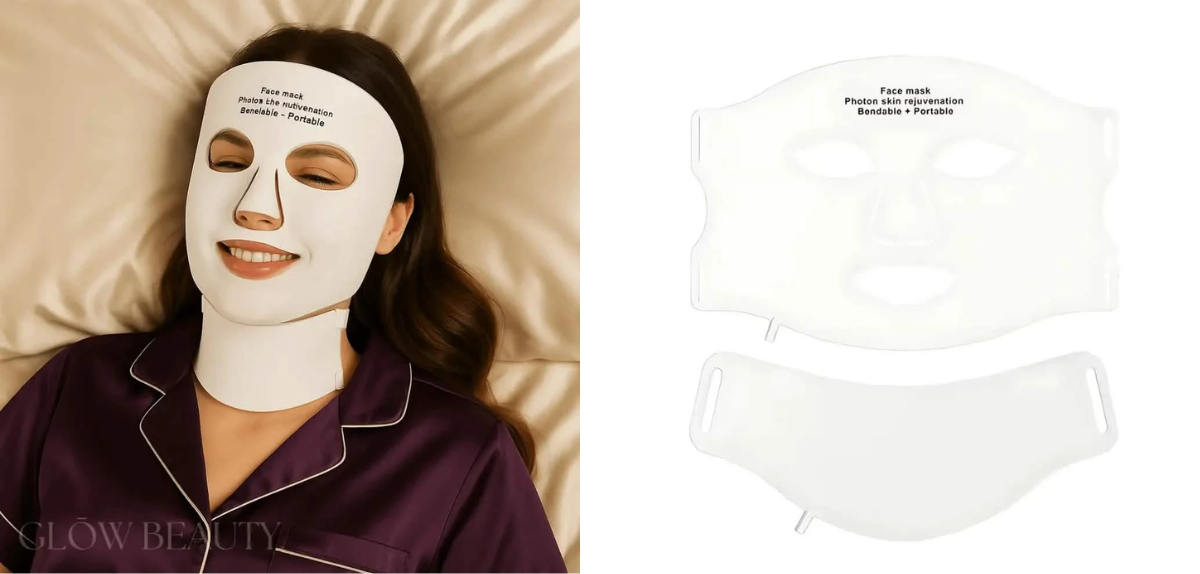
Healthy, radiant skin is a goal shared by many people, yet daily exposure to pollution, UV rays, stress, and aging can gradually affect the appearance of both the face and neck. While traditional skincare products remain essential, many people are now exploring advanced skincare technologies that complement their existing routines.
One of the most popular innovations is LED light therapy. Originally developed for medical and clinical use, this technology has become increasingly accessible for home skincare. It offers a gentle, non-invasive approach to supporting healthier-looking skin without downtime.
If you’re interested in learning more about a face and neck led mask, understanding how this technology works can help you decide whether it fits your skincare routine.
What Is LED Light Therapy?
LED (Light Emitting Diode) light therapy uses specific wavelengths of visible light to interact with the skin at different depths. Unlike ultraviolet (UV) light, LED therapy does not damage the skin when used correctly. Instead, it delivers targeted light energy that may support natural skin processes.
Different light colors are associated with different skincare purposes. Because of this versatility, LED therapy has become a popular addition to both professional treatments and at-home skincare devices.
The treatment is painless, requires no recovery period, and is suitable for a wide variety of skin types when used according to instructions.
Why the Neck Deserves Equal Attention
Many skincare routines focus only on the face, while the neck receives far less care. However, the skin on the neck is thinner and often shows visible signs of aging earlier than expected.
Common concerns include:
- Fine lines
- Skin laxity
- Uneven pigmentation
- Dryness
- Sun damage
Since the face and neck are constantly exposed to environmental factors, treating both areas together creates a more balanced skincare routine.
Understanding Different LED Light Colors
Red Light
Red light is among the most widely researched wavelengths in skincare. It is commonly associated with supporting collagen production and improving the appearance of fine lines.
Potential benefits include:
- Improved skin firmness
- Reduced appearance of wrinkles
- Better skin texture
- Enhanced overall skin tone
Blue Light
Blue light primarily targets acne-causing bacteria on the skin’s surface.
Many individuals experiencing mild breakouts incorporate blue light therapy into their routine because it may help:
- Reduce acne-causing bacteria
- Minimize breakouts
- Calm oily skin
- Support clearer-looking skin
Green Light
Green light is commonly used for pigmentation-related concerns.
People often choose it to help improve:
- Uneven skin tone
- Dark spots
- Mild discoloration
- Overall brightness
Yellow Light
Yellow light focuses on calming sensitive skin.
Its potential benefits include:
- Reducing temporary redness
- Supporting skin recovery
- Improving overall radiance
- Helping stressed skin appear healthier
Near-Infrared Light
Near-infrared wavelengths penetrate deeper than visible light.
Although invisible to the human eye, they are commonly included in advanced LED systems because they may support:
- Skin renewal
- Improved elasticity
- Recovery after environmental stress
- Overall skin wellness
Benefits of LED Light Therapy
Supports Collagen Production
Collagen is a structural protein responsible for maintaining skin firmness and elasticity. Natural collagen production gradually slows with age, contributing to wrinkles and sagging.
Red LED light may encourage the skin’s natural renewal process, helping improve the appearance of aging skin over time.
While results vary between individuals, consistent use is generally considered more effective than occasional treatments.
Helps Reduce Acne
Acne develops through multiple factors including excess oil production, clogged pores, inflammation, and bacteria.
Blue light specifically targets acne-causing bacteria without relying on harsh topical ingredients.
This makes LED therapy an attractive complementary option for individuals seeking a gentle skincare routine.
Improves Overall Skin Tone
Uneven skin tone can develop from:
- Sun exposure
- Previous acne
- Aging
- Environmental damage
Regular LED sessions may contribute to a more balanced complexion by supporting healthy skin renewal.
May Reduce Temporary Inflammation
Skin often experiences temporary redness after:
- Shaving
- Cosmetic treatments
- Environmental exposure
- Dry weather
Certain LED wavelengths are believed to help calm visible irritation, allowing the skin to recover more comfortably.
Supports Better Product Absorption
Although LED light does not directly force products into the skin, healthier skin function may allow moisturizers and serums to perform more effectively as part of a complete routine.
Many people apply hydrating serums before LED sessions if recommended by the device manufacturer.
What Happens During an LED Session?
A typical LED treatment is simple and relaxing.
Most sessions include these basic steps:
- Cleanse the skin thoroughly.
- Remove makeup and sunscreen.
- Position the LED mask comfortably.
- Select the appropriate light setting.
- Relax during the treatment.
- Apply moisturizer afterward if desired.
Most home sessions last between 10 and 20 minutes depending on the device instructions.
Because the treatment is non-invasive, normal daily activities can continue immediately afterward.
Who Can Benefit from LED Therapy?
LED therapy may be suitable for adults experiencing various skincare concerns.
Examples include:
- Early signs of aging
- Mild acne
- Uneven complexion
- Dull skin
- Dryness
- Fine lines
- Sun-related skin changes
Individuals with certain medical conditions or light sensitivity should consult a healthcare professional before beginning treatment.
How Often Should LED Therapy Be Used?
Consistency is generally more important than intensity.
Many skincare routines begin with several sessions each week before transitioning to maintenance treatments.
Visible improvements often develop gradually because skin renewal naturally takes time.
Patience and regular use are key components of achieving noticeable results.
Tips for Getting Better Results
LED therapy works best when combined with healthy skincare habits.
Consider these recommendations:
- Cleanse skin before every session.
- Wear sunscreen daily.
- Stay hydrated.
- Use gentle skincare products.
- Avoid excessive exfoliation.
- Follow device instructions carefully.
- Maintain realistic expectations.
Healthy lifestyle choices—including balanced nutrition and adequate sleep—also contribute to better skin health.
Is LED Light Therapy Safe?
Current research generally considers LED light therapy safe when devices are used according to manufacturer guidelines.
Unlike UV tanning beds, properly designed LED skincare devices do not expose the skin to harmful ultraviolet radiation.
However, users should always:
- Protect their eyes if instructed.
- Avoid looking directly into intense LEDs.
- Follow recommended treatment durations.
- Stop use if unexpected irritation occurs.
People taking medications that increase light sensitivity should seek medical advice before beginning treatment.
Common Myths About LED Therapy
Myth 1: Results Appear Overnight
LED therapy works gradually.
Visible improvements usually require several weeks of consistent use rather than a single session.
Myth 2: More Time Means Better Results
Longer treatments do not necessarily improve outcomes.
Following recommended session times helps maintain both effectiveness and safety.
Myth 3: It Replaces Skincare Products
LED therapy is best viewed as an addition—not a replacement—for cleansing, moisturizing, sunscreen, and other skincare essentials.
Myth 4: Only Mature Skin Benefits
People of different ages use LED therapy for various concerns, including acne, uneven skin tone, and preventative skincare.
Combining LED Therapy with a Healthy Skincare Routine
For many individuals, LED therapy works best as one component of a broader skincare strategy.
An effective routine may include:
- Gentle cleansing
- Hydration
- Daily SPF protection
- Balanced nutrition
- Adequate sleep
- Consistent LED sessions
Supporting skin health from multiple angles often provides more noticeable long-term improvements than relying on any single treatment alone.
Conclusion
LED light therapy has become a valuable addition to modern skincare because it offers a gentle, non-invasive way to address common concerns affecting both the face and neck. While results require consistency and patience, many people appreciate its ability to complement traditional skincare routines without significant downtime.
For those researching advanced skincare technology, a face and neck led mask can be an informative starting point when exploring how LED therapy fits into a balanced skincare regimen.
FAQs
1. How long does it take to see results from LED light therapy?
Most people begin noticing gradual improvements after several weeks of consistent use. The exact timeline depends on the skin concern being treated, the frequency of sessions, and individual skin characteristics. Maintaining a regular routine generally provides better long-term results than occasional treatments.
2. Can LED light therapy be used on sensitive skin?
Many individuals with sensitive skin tolerate LED therapy well because it is non-invasive and does not involve heat or harsh chemicals. However, anyone with highly reactive skin or medical conditions affecting light sensitivity should consult a healthcare professional before starting treatment.
3. Is LED light therapy painful?
No. LED light therapy is generally considered comfortable and painless. Most users simply feel relaxed while wearing the device. Since no needles, heat, or abrasion are involved, there is typically no recovery time following a session.
4. Can LED therapy replace professional skincare treatments?
LED therapy is best viewed as a complementary skincare tool rather than a complete replacement for professional advice or treatments. It may support healthier-looking skin when combined with good skincare habits, but complex skin conditions may still require evaluation by a qualified dermatologist.
5. Should sunscreen still be used when using LED therapy?
Yes. Daily sunscreen remains one of the most important steps in protecting skin from UV damage. LED therapy does not replace sun protection, and consistent SPF use helps maintain the results of any skincare routine while reducing the risk of premature skin aging.
