


Orthodontic treatment is often associated with creating a straighter smile, but correcting tooth alignment can offer benefits beyond appearance. The position of your teeth can influence how you clean them, how they meet when you bite, and how confident you feel about your smile.
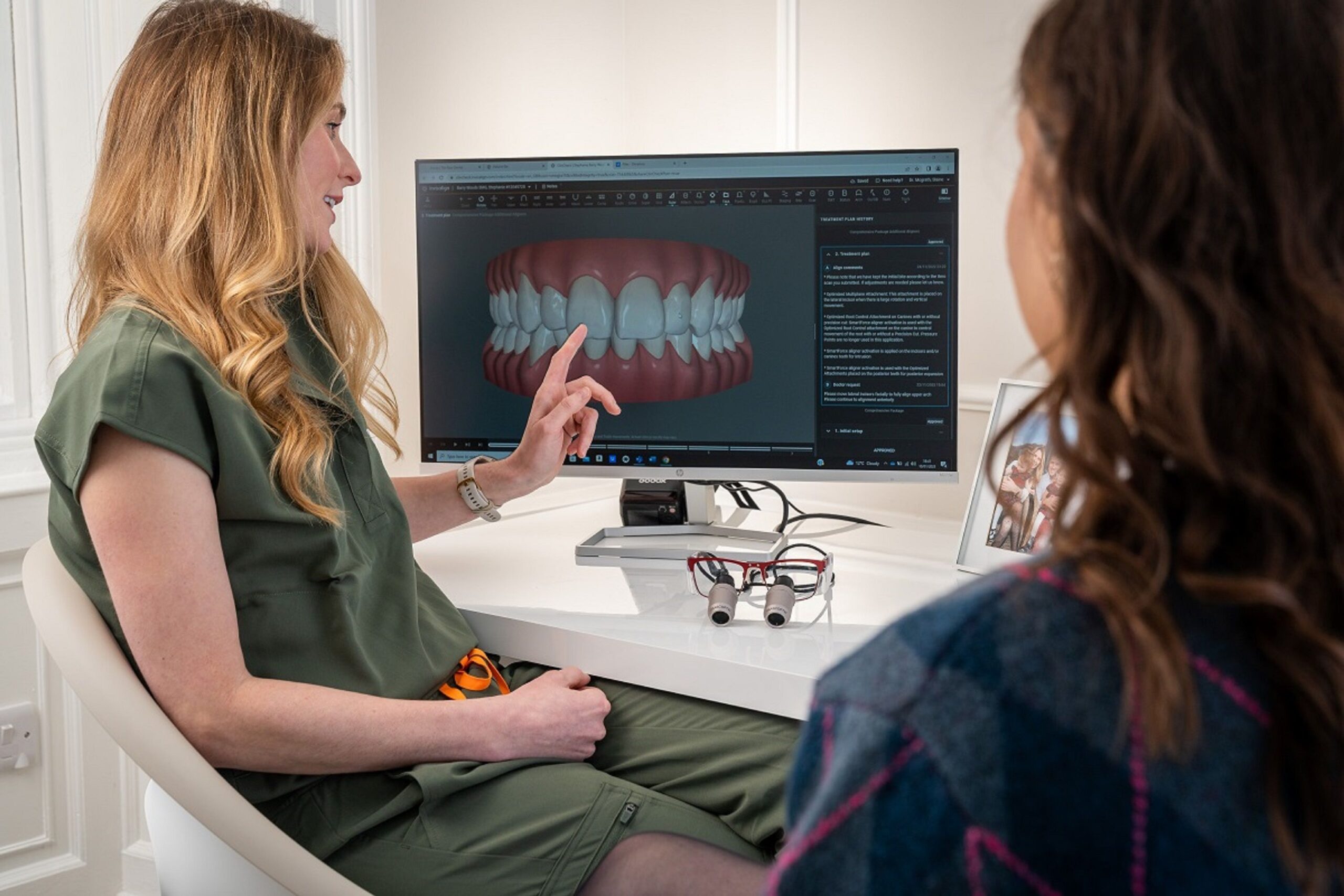
Invisalign uses a series of clear, removable aligners to gradually reposition teeth according to an individualized treatment plan. For people considering this approach, it is useful to look beyond the treatment period and understand how the results may affect their dental care and everyday life in the years ahead.
While results vary from person to person, several potential advantages make clear aligner treatment worth discussing with a dental professional.
1. A More Natural-Looking Smile
One of the most noticeable benefits of orthodontic treatment is an improved smile. Crowded, rotated, or unevenly positioned teeth can affect the overall appearance of your smile, while carefully planned tooth movement can create a more balanced result.
Treatment is not simply about making every tooth perfectly straight. A dental professional considers your existing alignment, bite, facial features, and treatment goals when developing a plan.
The goal is a result that looks natural and complements your individual appearance rather than following a one-size-fits-all approach.
2. Easier Daily Oral Care
Crowded or overlapping teeth can make certain areas harder to reach with a toothbrush or floss. Improving alignment may make these spaces more accessible, allowing some patients to maintain their daily hygiene routine more easily.
Invisalign aligners are also removable, which allows patients to brush and floss without having to work around fixed brackets and wires. Aligners do require their own cleaning routine, so following your provider’s instructions remains important throughout treatment.
After treatment, good brushing and flossing habits continue to be essential. Straighter teeth may be easier to care for, but they still require regular professional examinations and preventive dental care.
3. Improved Bite Function
The position of your teeth affects more than your smile. Upper and lower teeth need to come together properly for comfortable biting and chewing.
When certain teeth are significantly out of position, some areas may experience uneven contact or pressure. Depending on the individual’s condition, orthodontic treatment may help create a more balanced relationship between the upper and lower teeth.
A professional assessment is important because visible crowding does not always reveal the full nature of a person’s bite. Two patients with similar-looking crooked teeth may have very different orthodontic needs.
4. Greater Confidence
For many people, the emotional benefit of improving their smile can be just as meaningful as the physical changes. Concerns about crooked or crowded teeth may make some individuals hesitant to smile in photographs, social situations, or professional settings.
As alignment improves, some patients may feel more comfortable showing their teeth. Increased confidence is subjective, but feeling better about your smile can influence how you interact with others and how you view your appearance.
For example, someone researching providers may come across practices such as Auburn Dental Aesthetics while comparing their options. Rather than choosing based on a name alone, patients should focus on whether a provider understands their goals and offers an appropriate treatment plan.
5. A More Sustainable Approach to Dental Care
Orthodontic treatment can encourage patients to become more conscious of their oral health. Wearing aligners as directed, keeping them clean, brushing consistently, and attending appointments can establish habits that continue beyond treatment.
The long-term benefit comes from maintaining those habits after the final aligner. Regular dental examinations and professional cleanings remain important for monitoring the health of your teeth and gums.
It is also worth addressing existing dental concerns before beginning orthodontic treatment. Cavities, gum problems, damaged teeth, and other conditions may need attention before aligners are introduced.
6. Retainers Help Preserve the Results
Finishing the active phase of treatment does not necessarily mean your teeth will remain permanently in exactly the same positions. Teeth can naturally shift over time, which is why retention is an important part of orthodontic care.
Retainers are commonly prescribed to help maintain the positions achieved during treatment. Your dental professional can explain how often and how long you should wear them based on your individual circumstances.
Following those instructions can help protect the investment you have made in improving your smile.
What Influences Long-Term Results?
The outcome of Invisalign treatment depends on more than the aligners themselves. Factors such as the starting position of the teeth, the complexity of the case, treatment planning, consistent aligner use, and follow-up care can all influence the final result.
Patients can contribute to successful treatment by following instructions, maintaining good oral hygiene, attending scheduled appointments, and using retainers as recommended.
It is also important to have realistic expectations. Clear aligners can address many alignment concerns, but they are not necessarily appropriate for every orthodontic case. A professional evaluation is the best way to determine whether this approach suits your specific needs.
Looking Beyond a Straighter Smile
The value of Invisalign treatment may extend well beyond the day you finish your final aligner. Improved alignment can contribute to a more balanced smile, easier daily cleaning, comfortable bite function, and greater confidence.
However, the long-term benefits depend on appropriate treatment planning and continued care. Maintaining good oral hygiene, attending regular dental appointments, and following retention instructions all play an important role in protecting your results.
By considering these factors before treatment begins, you can approach clear aligner treatment with realistic expectations and a better understanding of how the results may support your smile and dental care for years to come.
