


Choosing the right caterer can shape the entire atmosphere of an event. Food influences how guests interact, how smoothly the schedule runs, and how memorable the occasion becomes. Whether you are organizing a corporate gathering, private celebration, reception, conference, or intimate dinner, the best catering choice should combine quality food with dependable service and thoughtful planning.
Contents
ToggleStart With the Type of Event
The first step is identifying what your event actually requires. A business breakfast may need coffee, pastries, and individually prepared meals, while an evening celebration could call for a more elaborate menu, staffed service, beverages, and rentals.
Mangia offers several event catering formats, including coffee-break catering, family-style service, cocktail bar catering, and private-chef options. This variety makes it important to discuss the event format before selecting a menu.
Think about the event’s purpose, venue, guest expectations, timing, and overall atmosphere. A clear understanding of these details makes it easier to select an appropriate catering style.
Consider Your Guest List Carefully
A successful catering plan begins with knowing who will attend. Guest numbers affect food quantities, serving arrangements, staffing requirements, and the overall budget.
You should also consider dietary preferences and restrictions before finalizing the menu. Vegetarian, vegan, gluten-free, allergy-sensitive, and other requirements may need special attention. Discussing these needs with the catering team early can help prevent last-minute complications.
Explore Menu Flexibility
A strong caterer should be able to adapt its offerings to suit the occasion rather than forcing every event into the same format. Mangia describes its event catering as customizable according to an event’s goals, theme, and requirements.
When reviewing Mangia NYC catering, consider whether the available dishes complement your event. You might prefer a selection of Italian-inspired dishes, fresh salads, sandwiches, bakery items, desserts, or more formal meal options depending on the occasion.
The goal is not simply to choose the largest menu. Instead, select food that matches the guests, schedule, venue, and style of the event.
Look Beyond the Food
Catering involves much more than preparing meals. Delivery, setup, presentation, service staff, tableware, and cleanup can all affect the guest experience.
Mangia’s event services include options such as waitstaff, bartenders, baristas, beverage stations, rentals, floral services, and personalized event and menu planning.
Before confirming your booking, ask which services are included in your proposal and which are additional. Having these details clearly established can make event planning considerably easier.
Match Catering to Your Venue
The venue should play a major role in your catering decision. A restaurant, office, private residence, gallery, outdoor location, or conference venue may each require a different setup.
Check whether the venue has kitchen access, loading restrictions, tables, refrigeration, electrical requirements, or specific rules concerning outside vendors. Providing these details to the catering team early allows them to develop a more practical service plan.
For larger events, also consider where food will be served, how guests will move through the space, and whether staff can work comfortably without disrupting the occasion.
Set a Realistic Budget
Budgeting should include more than the cost of food. Depending on the event, you may need to account for staffing, beverages, rentals, delivery, setup, service, and other extras.
Ask for a detailed proposal so you understand exactly what you are paying for. A transparent estimate makes it easier to compare options and avoid unexpected costs later.
It can also be helpful to prioritize spending. For example, an important corporate reception may benefit from additional service staff and presentation, while a casual office lunch might place greater emphasis on convenient delivery and variety.
Think About Presentation
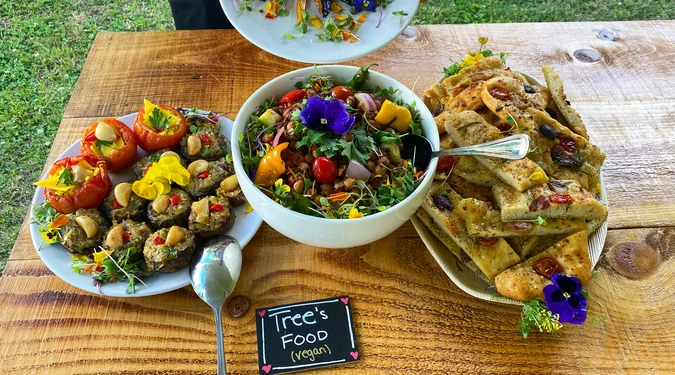
Food presentation can have a major impact on the appearance of an event. Attractive displays, organized serving stations, appropriate tableware, and coordinated setups can make even a casual gathering feel more polished.
Mangia highlights customized setups and professional presentation as part of its event catering approach. When discussing your event, explain the atmosphere you want to create so the catering setup complements the occasion.
Evaluate Service and Communication
Good communication is one of the most important parts of choosing a caterer. Your catering team should have accurate information about the event date, guest count, venue, menu, schedule, and special requirements.
Mangia’s event inquiry process requests information such as estimated guest count, event date and time, and event address, reflecting the importance of these details in planning.
Pay attention to how clearly your questions are answered. A caterer that communicates effectively before the event is more likely to provide a smoother planning experience.
Choose a Catering Style That Fits the Occasion
Different events benefit from different service formats. For example, coffee-break catering can work well for meetings and conferences, while family-style service may encourage guests at a social gathering to share and serve themselves. Cocktail service can create a more interactive atmosphere, while private-chef catering may suit an intimate event.
Instead of choosing a service simply because it sounds impressive, consider how guests will actually use the space and interact with the food.
Plan Early for a Smoother Experience
Popular event dates can require advance planning, particularly when an event involves a large guest list or extensive staffing. Begin the conversation as early as possible with your preferred caterer.
Provide an initial guest estimate, venue information, desired menu, service style, and schedule. You can refine the details later as attendance becomes more certain.
Early planning also gives you time to address dietary requirements, rentals, staffing, and changes to the menu without unnecessary pressure.
Why a Full-Service Approach Can Be Valuable
One advantage of choosing an experienced event caterer is the ability to coordinate several aspects of the dining experience through one team. Instead of arranging food, staff, beverages, and rentals separately, you may be able to combine multiple requirements into one event plan.
Mangia promotes a full-service approach that can cover food preparation, professional personnel, setup requirements, and selected event services.
For event hosts who want to concentrate on their guests rather than constantly managing catering logistics, this can be particularly useful.
Make Your Final Decision With Confidence
Choosing a caterer should ultimately come down to how well the service matches your event. Review the menu, guest requirements, service style, venue needs, budget, presentation, and communication before making your decision.
If these elements align with what you want to achieve, Mangia NYC can be considered as an option for creating a professionally planned dining experience. Its event catering services are designed around different event formats and can include customized menus and additional services depending on the occasion.
Final Thoughts
The right caterer does more than provide food—it helps make the event easier to manage and more enjoyable for guests. Start by understanding your event, establish your budget, identify guest needs, and decide what level of service you require.
With careful planning and clear communication, choosing the right catering package can turn an ordinary gathering into an experience that guests remember for all the right reasons.
