


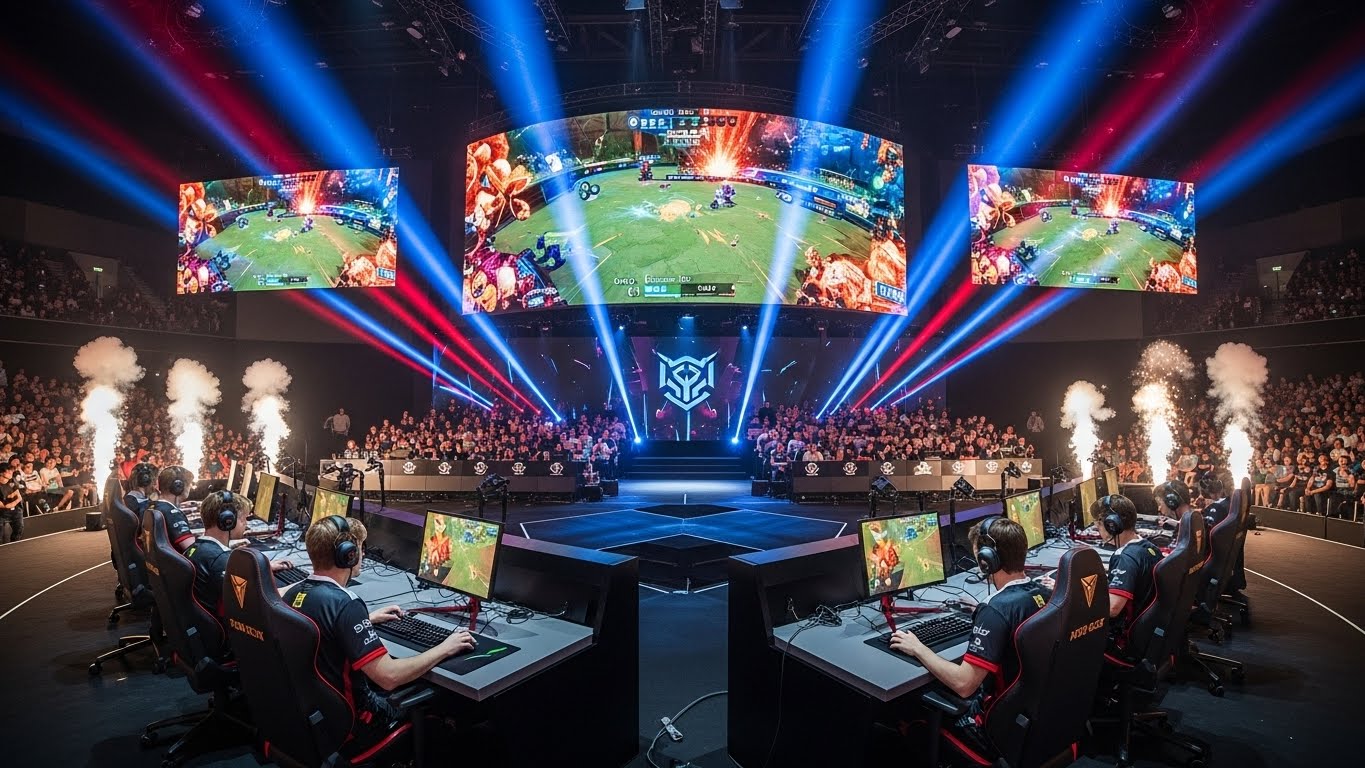
Sports have moved far beyond stadiums and television screens. Today, digital platforms are transforming how fans watch, interact with, and even participate in sports. From live streaming to fantasy leagues and real-time analytics, the entire ecosystem has shifted into an always-connected, on-demand experience. This evolution is not just changing viewing habits—it is redefining the business and culture of sports worldwide.
The Shift from Traditional Broadcasting to Digital Streaming
Traditional sports broadcasting once held a monopoly on how audiences consumed live events. Now, digital streaming platforms have disrupted that model. Fans can watch matches on smartphones, tablets, and smart TVs from anywhere in the world. This accessibility has expanded global fan bases and allowed niche sports to gain visibility that was previously impossible through conventional TV networks.
Streaming platforms also offer interactive features such as multiple camera angles, live stats overlays, and instant replays. These enhancements create a more immersive experience, making viewers feel closer to the action than ever before.
Social Media: Turning Fans into Active Participants
Social media platforms have become central hubs for sports engagement. Athletes now connect directly with fans, sharing behind-the-scenes content, personal insights, and live updates. Meanwhile, fans participate in real-time discussions, debates, and reactions during matches.
This two-way interaction has turned passive spectators into active communities. Viral highlights, memes, and short-form clips spread instantly, amplifying the reach of sporting events far beyond their original broadcast audience.
Data Analytics and Performance Insights
One of the most powerful shifts in modern sports is the rise of data analytics. Teams and organizations now rely heavily on performance metrics to guide strategy, training, and recruitment. Advanced statistics help coaches make informed decisions, while fans gain deeper insights into player performance and game dynamics.
This data-driven approach has also influenced fantasy sports and prediction platforms, where users analyze stats to make strategic choices, further enhancing engagement.
Monetization in the Digital Sports Economy
The digital transformation has opened new revenue streams for the sports industry. Subscription-based streaming services, pay-per-view events, digital advertising, and influencer partnerships are now major income sources.
Platforms like ufanance are part of this growing digital ecosystem, contributing to how financial and engagement models are evolving around sports content. These platforms integrate entertainment with financial interaction, creating hybrid experiences for users who want both engagement and opportunity in the sports space.
Emerging Platforms and Community Ecosystems
New digital communities are constantly emerging, offering unique ways for fans to engage with sports content. For example, platforms like ufasnake have become part of the broader conversation around interactive sports entertainment, showing how diverse and creative the online sports landscape has become.
These platforms often combine gamification, prediction tools, and community-driven features that deepen fan involvement beyond traditional viewing.
The Future of Online Sports Engagement
Looking ahead, technologies like virtual reality, augmented reality, and artificial intelligence are expected to further transform sports experiences. Fans may soon attend virtual stadiums, interact with holographic player data, or receive AI-driven match predictions in real time.
The boundary between physical and digital sports experiences will continue to blur, creating a fully integrated entertainment ecosystem.
Conclusion
The rise of online sports platforms marks a fundamental shift in how the world experiences athletic competition. From streaming services and social media to data analytics and innovative platforms like ufanance, the industry is becoming more interactive, data-rich, and globally connected.
As digital transformation continues, sports will no longer be just something people watch—they will be something they actively experience, analyze, and participate in at every level.
