


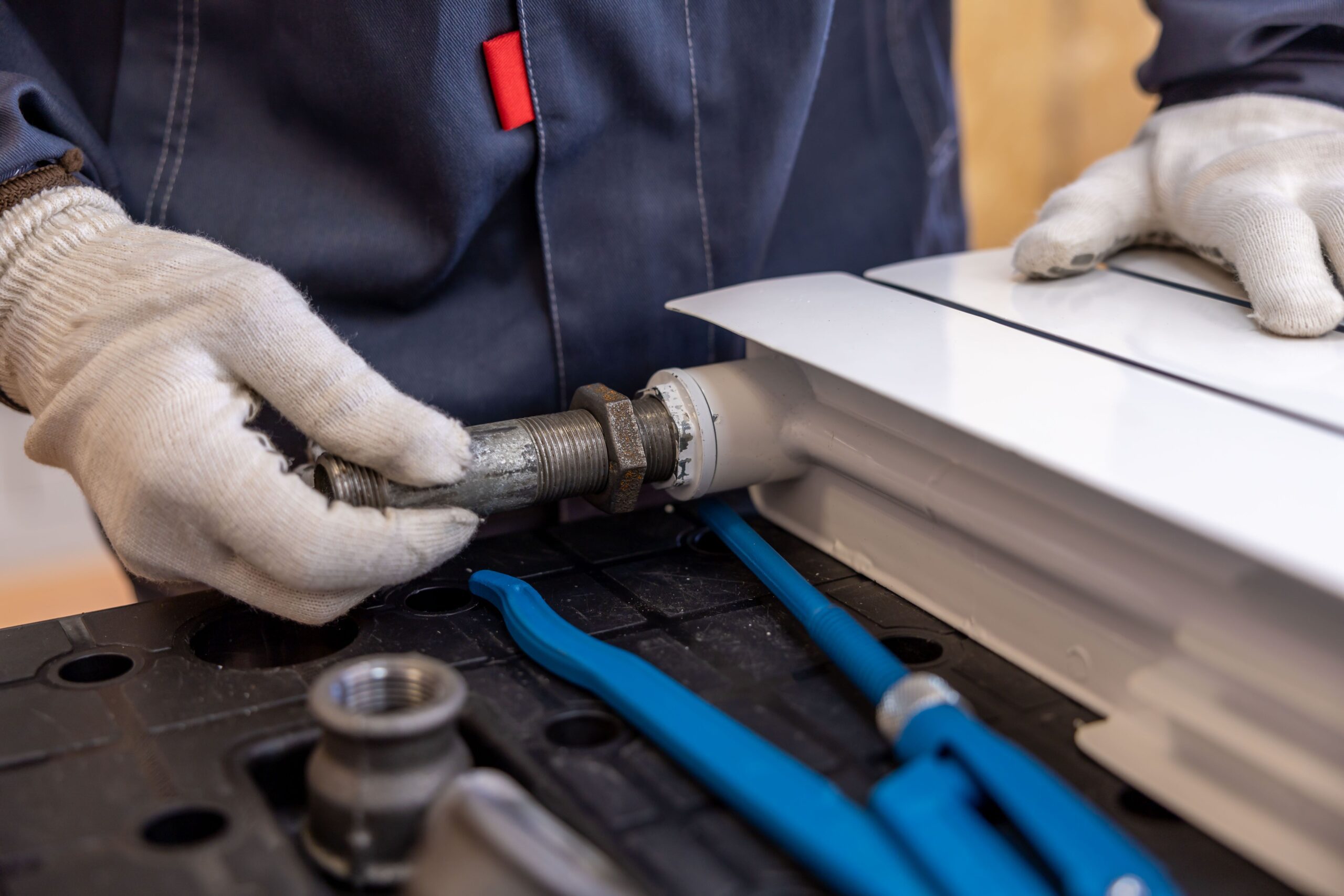
A heating system often shows signs of trouble before it stops working completely. You might notice that some rooms feel colder than others, your energy bill rises without a clear reason, or the furnace starts making sounds you have not heard before. Paying attention to these changes can help you recognize a problem early. Knowing when to schedule heating repair can also help prevent a small issue from turning into a larger breakdown during cold weather.
Notice Changes in Indoor Temperatures
One of the clearest signs of a heating problem is uneven warmth throughout the home. Your living room may feel comfortable while a bedroom stays cold, even when the thermostat is set to the same temperature. This can happen because of blocked vents, leaking ductwork, a faulty blower, or a heating system that is struggling to distribute warm air. Checking that furniture is not covering the vents may help, but ongoing temperature differences deserve further attention.
You may also find yourself raising the thermostat more often than usual. If the system runs for long periods without making the home comfortable, it could have an airflow problem or a faulty part. The thermostat itself may also be reading the room temperature incorrectly. A technician can inspect the system and help determine whether the issue comes from the furnace, the ductwork, or the temperature controls.
Listen for Unusual Heating Sounds
Most heating systems make some noise while running, but sudden changes in sound can point to a problem. Banging, grinding, squealing, rattling, or loud humming may indicate loose parts, motor trouble, or another mechanical issue. The type of sound does not always reveal the exact cause, so it is better to avoid guessing or trying to repair internal components without the right training.
Pay attention to when the noise occurs. A sound during startup may have a different cause from one that continues throughout the heating cycle. If the noise is new, grows louder, or comes with poor heating performance, arrange an inspection.
Turning off the system may be sensible if the sound is severe or the equipment appears to be struggling. A qualified technician can check the cause before further use leads to additional damage.
Track Unexpected Increases in Energy Bills
Heating costs can rise when outdoor temperatures drop, but a sudden increase that does not match your usual energy use may signal a problem. A dirty filter can restrict airflow and make the system work harder to heat the home.
Worn parts, thermostat problems, or poor duct insulation may also affect how efficiently heat reaches the rooms. Comparing recent bills with those from similar weather conditions can help you spot an unusual change.
An older heating system may naturally become less efficient as parts wear down. However, a higher bill does not automatically mean the entire unit needs replacing. Routine maintenance or a specific repair may solve the issue, depending on the system’s condition.
Keeping track of energy use and noting when the increase began can give a technician useful information during an inspection.
Watch for Frequent Starts and Stops
A heating system normally turns on when the indoor temperature falls below the thermostat setting and stops once the desired temperature is reached. If the furnace repeatedly starts and shuts down after only a short period, it may be short cycling. A clogged filter, restricted airflow, overheating, or a control problem can contribute to this pattern. Frequent cycling can affect comfort and place extra strain on system parts.
First, check whether the thermostat is set correctly and whether the air filter needs changing. Follow the manufacturer’s instructions when replacing a filter, and make sure the replacement is the right size and type.
If the system continues to cycle frequently, professional heating repair may be needed to find the cause. Avoid repeatedly resetting a unit that keeps shutting itself down, since the system may be responding to a fault that needs attention.
Keep Your Heating System Working Safely
Recognizing early warning signs can help you address heating problems before they cause a complete loss of warmth. Uneven temperatures, strange noises, rising energy costs, short cycling, and changes in air quality all deserve attention when they appear or continue. Regular maintenance, timely filter changes, and professional inspections can help keep the system in good working order.
When something seems wrong, avoid opening sealed components or attempting repairs that require technical training. If you smell gas, leave the building without operating electrical switches, then contact the gas utility or emergency services from a safe location. For other persistent problems, a qualified heating technician can identify the cause and explain suitable next steps. Taking action early can help protect your comfort, your equipment, and your household’s safety.
