


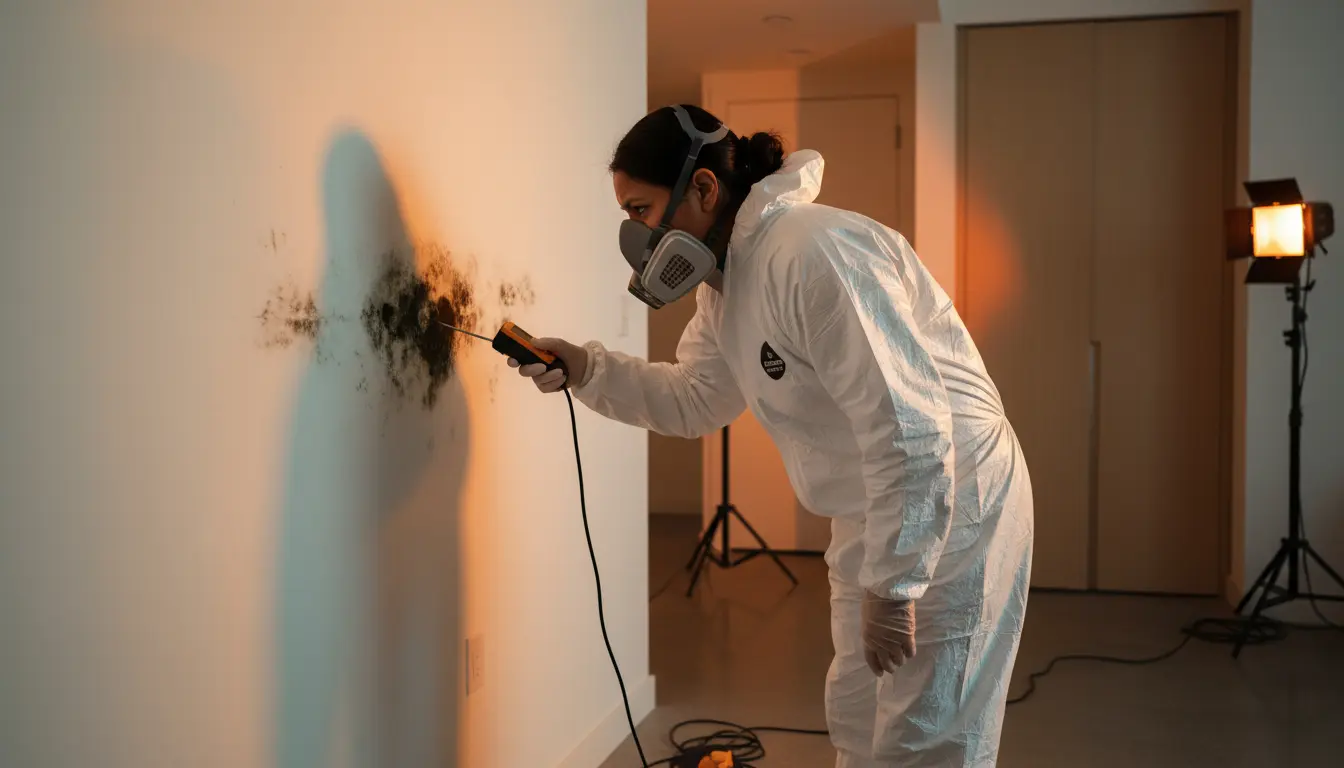
Mold growth is a common problem in residential and commercial properties, particularly in areas where moisture, humidity, and poor ventilation create favourable conditions for fungal development. Although mold may initially appear as a few small spots on walls, ceilings, or other surfaces, it can spread quickly when the underlying moisture problem remains untreated. Beyond affecting the appearance of a property, mold can damage building materials, create unpleasant odours, and contribute to indoor air quality concerns.
Professional mold removal is an important step toward maintaining a clean, comfortable, and healthy indoor environment. Property owners dealing with persistent mold problems can benefit from understanding how professional remediation works, what causes mold growth, and why addressing the source of moisture is essential.
What Is Mold Remediation?
Mold remediation is the process of identifying, containing, removing, and managing mold growth inside a building. Unlike basic surface cleaning, professional remediation focuses on controlling contamination and correcting the conditions that allow mold to develop.
The process typically involves inspecting affected areas, identifying moisture sources, establishing containment where necessary, removing contaminated materials when appropriate, and cleaning salvageable surfaces. Professionals may also use specialised equipment, such as HEPA-filtered vacuums and air filtration devices, to help control airborne particles during the work.
The main objective is not simply to remove visible mold but to reduce contamination and prevent recurring growth by addressing the underlying moisture issue.
Common Causes of Mold Growth in Homes and Businesses
Mold develops when spores encounter suitable conditions, particularly moisture and materials that provide an organic food source. Several property-related issues can contribute to its growth.
Plumbing Leaks: Leaking pipes, damaged water connections, and faulty fixtures can introduce moisture into walls, floors, and cabinets. Even a small leak can create conditions that encourage mold development over time.
Roof and Window Leaks: Damaged roofing materials, deteriorated seals, and poorly maintained windows can allow rainwater to enter a property. If the affected areas are not dried properly, mold may begin developing behind walls or around window frames.
High Indoor Humidity: Excessive indoor humidity can encourage condensation on windows, ceilings, and other cool surfaces. Bathrooms, kitchens, basements, and laundry rooms are particularly vulnerable when ventilation is inadequate.
Flooding and Water Damage: Floodwater and significant plumbing failures can affect carpets, drywall, insulation, and wooden structures. Materials that remain wet for extended periods may develop mold.
Poor Ventilation: Insufficient airflow allows moisture to accumulate indoors. Without appropriate ventilation, humid air may remain trapped in rooms and enclosed spaces.
Signs That Your Property May Need Mold Remediation
Recognising mold problems early can help property owners prevent more extensive damage. However, mold is not always immediately visible because it can develop behind walls, beneath flooring, and inside ceiling cavities.
Common warning signs include:
- Visible black, green, white, or grey patches on surfaces.
- Persistent musty or earthy smells.
- Water stains or discolouration on walls and ceilings.
- Peeling paint, bubbling wallpaper, or damaged drywall.
- Previous flooding or unresolved plumbing leaks.
- Condensation around windows and poorly ventilated areas.
- Recurring mold growth after ordinary cleaning.
These signs do not always confirm mold contamination, but they indicate that further inspection may be necessary.
Why Professional Mold Remediation Is Important
Removing mold without understanding the extent of the problem can leave contamination behind. Household cleaning products may remove visible marks from certain surfaces, but they cannot reliably address mold growing inside porous materials or hidden building cavities.
Professional remediation provides a more organised approach to identifying and managing contamination. Trained technicians can assess affected materials, determine appropriate containment measures, and select suitable cleaning or removal methods.
Another important benefit is moisture identification. Unless the original water source is repaired, mold can return even after affected surfaces have been cleaned. Professional services therefore consider both the visible contamination and the environmental conditions responsible for its development.
Understanding the Mold Remediation Process
Although the exact procedure depends on the property’s condition, professional remediation generally follows several important stages.
1. Initial Inspection and Assessment
The process begins with an inspection of the affected areas. Technicians look for visible mold, water damage, moisture accumulation, and possible hidden sources of contamination.
Moisture meters, thermal imaging equipment, and other inspection tools may be used when appropriate. The findings help determine the extent of the problem and the work required.
2. Identifying and Repairing Moisture Sources
Before remediation can be considered complete, the underlying moisture problem must be addressed. This may involve repairing leaking pipes, correcting roof damage, improving drainage, or resolving ventilation issues.
Controlling moisture is one of the most important steps in preventing future mold growth.
3. Establishing Containment
When contamination is extensive or there is a risk of spreading mold particles, technicians may establish containment around affected areas. Plastic barriers, controlled work zones, and negative air pressure systems can help limit the movement of airborne particles into unaffected rooms.
The appropriate containment strategy depends on the size and location of the affected area.
4. Removing Contaminated Materials
Some building materials can be cleaned and restored, while others may need to be removed and replaced. Porous materials such as heavily contaminated drywall, insulation, and carpet padding may be difficult to salvage.
Technicians determine which materials can be safely retained and which require removal based on their condition and the extent of contamination.
5. Cleaning and Air Filtration
After contaminated materials have been addressed, remaining surfaces may be cleaned using suitable professional methods. HEPA-filtered equipment can help capture fine particles, while air filtration devices may be used to improve conditions within the contained work area.
Cleaning methods should be selected according to the material being treated and the nature of the contamination.
6. Final Inspection and Prevention
The final stage involves checking the treated areas, confirming that affected materials have been properly addressed, and verifying that moisture problems have been corrected. Where appropriate, independent clearance assessment or post-remediation testing may provide additional reassurance.
Why Choose Mold Remediation Service Beltsville MD?
Property owners looking for reliable assistance should consider working with professionals who understand the importance of thorough inspection, safe work practices, and long-term moisture control.
Choosing a Mold remediation service beltsville md provider can help homeowners and business owners address contamination through a structured remediation process. Local service availability can also make it easier to arrange property inspections and discuss problems associated with water damage, humidity, and recurring mold.
Before selecting a contractor, consider their experience, training, insurance coverage, remediation procedures, and willingness to explain the proposed work. A dependable provider should also discuss containment methods, material removal, moisture correction, and the expected completion process.
It is equally important to request a written estimate that clearly explains the scope of work and identifies any additional repairs that may be necessary.
Health and Indoor Air Quality Considerations
Mold exposure can affect indoor air quality and may cause allergic reactions or irritation in some individuals. Common symptoms can include sneezing, coughing, nasal irritation, skin irritation, and itchy or watery eyes.
People with asthma, existing respiratory conditions, or mold allergies may be more sensitive to indoor mold exposure. However, the effects can vary considerably between individuals, and the presence of mold does not automatically mean that everyone in the building will experience health problems.
Avoid disturbing extensive mold growth yourself, as scraping or dry brushing contaminated materials can release particles into the air. People experiencing persistent or concerning symptoms should consult a qualified healthcare professional.
How to Prevent Mold From Returning
Successful remediation should be followed by practical moisture-management measures. Prevention helps protect building materials and reduces the likelihood of recurring contamination.
Consider these recommendations:
- Repair plumbing leaks as soon as they are discovered.
- Address roof damage and window leaks promptly.
- Use exhaust fans in bathrooms and kitchens.
- Keep indoor humidity below 60%, ideally between 30% and 50%.
- Clean and dry wet materials quickly, preferably within 24–48 hours.
- Inspect basements, crawl spaces, and other moisture-prone areas regularly.
- Maintain air conditioning and ventilation systems.
- Ensure that gutters and downspouts direct water away from the foundation.
- Avoid leaving damp carpets, furniture, and other materials untreated.
These preventive steps can make a significant difference in maintaining a dry indoor environment.
Mold Remediation for Commercial Properties
Mold contamination is not limited to residential buildings. Offices, retail spaces, warehouses, schools, and other commercial properties can also experience moisture-related problems.
Commercial remediation may require additional planning because businesses need to consider employee safety, customer access, building operations, and the protection of equipment or inventory.
A professional assessment helps identify affected areas and establish an appropriate remediation strategy. Depending on the extent of contamination, work may be organised in stages to minimise disruption while addressing the underlying problem.
Regular property inspections and prompt water-damage repairs can also help commercial building owners reduce the risk of extensive mold contamination.
Common Mistakes to Avoid During Mold Removal
Property owners sometimes make decisions that unintentionally allow mold problems to become more serious.
One common mistake is painting over mold without removing the contamination and correcting the moisture source. Paint does not eliminate mold growth, and the problem may continue underneath the new coating.
Another mistake is relying entirely on household bleach or general-purpose cleaners. These products may not be suitable for every surface or contamination situation, particularly when mold has penetrated porous materials.
Ignoring hidden leaks is another major concern. Cleaning a visible patch without investigating the surrounding area may leave the underlying moisture problem unresolved.
Finally, delaying professional assessment after significant water damage can increase the likelihood of extensive contamination and additional repair costs.
Conclusion
Mold remediation plays an important role in protecting buildings from moisture-related damage and maintaining better indoor environments. From identifying hidden contamination to removing affected materials and correcting water problems, professional remediation involves much more than simply cleaning visible mold.
Property owners should pay attention to musty odours, water stains, persistent dampness, and recurring mold growth. Addressing these warning signs early can help limit damage and reduce the likelihood of more extensive repairs.
Whether dealing with a residential moisture problem or a commercial building concern, choosing an experienced Mold remediation service beltsville md provider can be a valuable step toward restoring affected areas and preventing future mold growth. With proper inspection, effective remediation, and consistent moisture management, property owners can maintain cleaner, safer, and more comfortable indoor spaces.
