


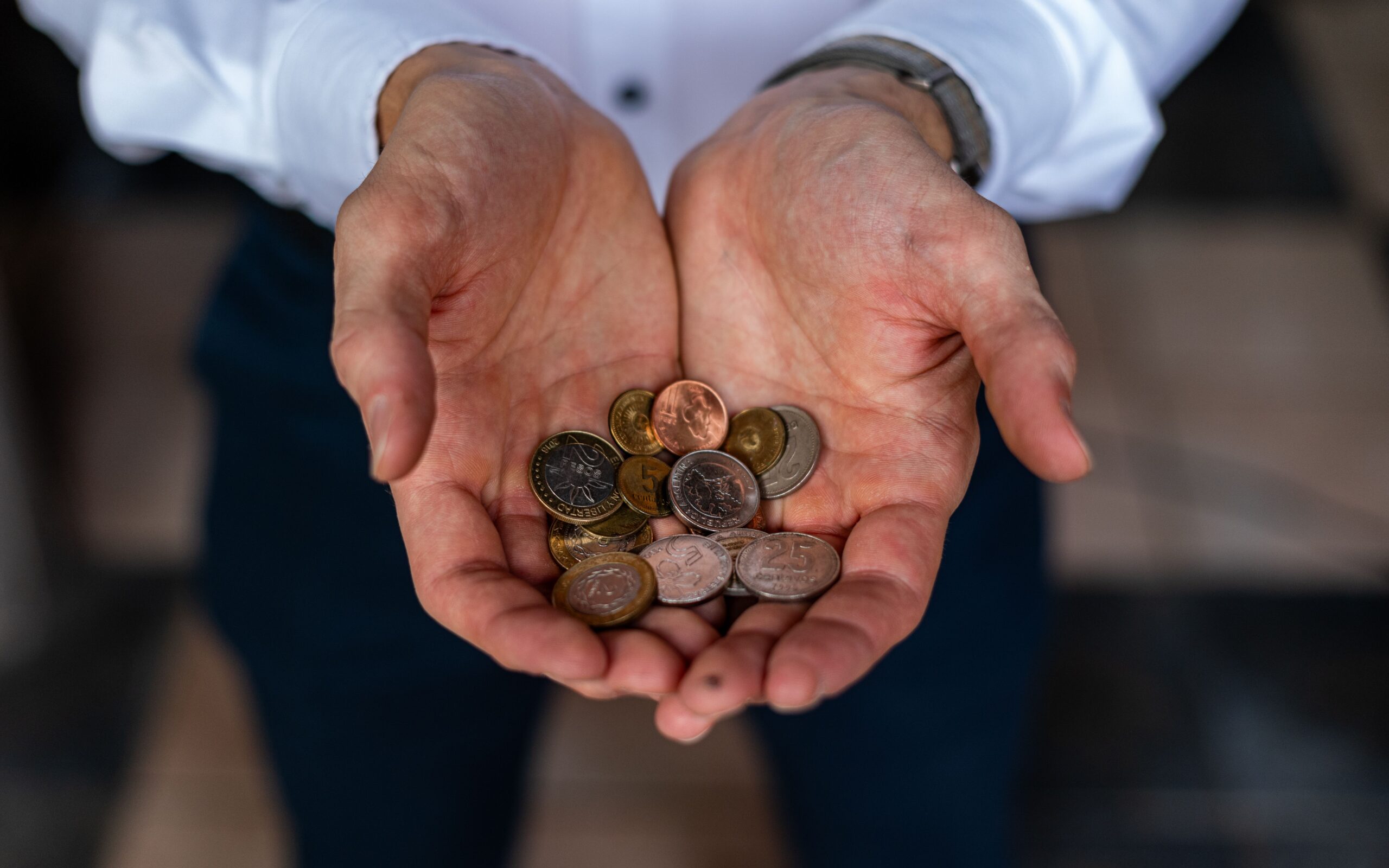
A coin dealer can be a useful resource for people who collect coins, inherit old collections, or want to learn more about pieces they already own. Dealers may help identify coins, explain grading, discuss market values, and handle purchases or sales. However, coin collecting involves many details, and values can vary widely. Learning what a dealer does and what to consider during a transaction can help collectors approach the process with greater confidence.
Learning What A Coin Dealer Does
A coin dealer like one from Coin Shop Arizona works with coins and related collectibles, often buying, selling, evaluating, and researching pieces. Some dealers focus on specific areas, such as U.S. coins, ancient coins, gold pieces, silver coins, or collectible currency. Others maintain a broader inventory and work with both beginning collectors and people with established collections.
A dealer may also help a customer understand why one coin is worth more than another. Condition, rarity, date, mint mark, demand, and authenticity can all affect value. For someone new to collecting, having these details explained in plain language can make it easier to understand the differences between ordinary coins and pieces that have greater collector interest.
Checking Coin Condition And Grade
Coin condition plays an important role in determining collector value. Scratches, wear, discoloration, cleaning, dents, and other marks can affect how a coin is viewed by collectors. Two coins from the same year and mint may have very different values because their conditions are not identical.
Grading systems provide a way to describe a coin’s condition using established standards. Professional grading services may examine coins and place qualifying pieces in protective holders with an assigned grade. A coin dealer can explain these grades and discuss whether professional certification may be useful for a particular piece.
Reviewing Coin Authenticity
Authenticity is another important concern when buying collectible coins. Counterfeit coins can look convincing, especially to people who are unfamiliar with the details of a particular issue. Weight, dimensions, surface details, metal composition, and other characteristics may be examined when determining whether a coin appears genuine.
Collectors should not assume that an old appearance automatically means a coin is authentic or valuable. Likewise, a coin that looks unusual may simply have natural wear or damage. A knowledgeable dealer can help identify features that deserve closer examination and may recommend additional testing or certification when appropriate.
Preparing Coins For A Dealer
People who plan to sell coins should gather as much information as possible before visiting a dealer. Keeping coins in their existing holders, envelopes, or collection records may help preserve useful information about where they came from. Collectors should also avoid cleaning coins before having them examined because cleaning can leave marks that reduce collector appeal.
If a collection is large, organizing the coins by type, date, or other known details can make the evaluation process easier. However, owners should not assume that every old coin is valuable simply because of its age. A dealer can help separate common pieces from coins that may deserve more detailed research.
Asking Questions Before A Transaction
A good coin-buying or selling experience should leave the customer with a clear understanding of the transaction. Sellers can ask how an offer was determined, while buyers can ask about a coin’s condition, grade, authenticity, and return terms. These questions are especially useful when a coin has significant financial or personal value.
It is also reasonable to take time before making a decision. Collectors may want to compare information from several sources, review recent market activity, or seek another professional opinion. Taking a careful approach can help reduce misunderstandings and give the owner a better sense of what they are buying or selling.
Making Informed Coin Decisions
Working with a coin dealer can help collectors better understand the pieces in their collections and the factors that affect their value. A dealer can provide useful information about condition, grading, authenticity, market demand, and the history of individual coins. Still, collectors should take time to ask questions and review information before completing a transaction.
Whether someone is beginning a collection, selling inherited coins, or searching for a particular piece, basic knowledge can make the experience easier. Learning about the coins themselves and choosing a dealer who communicates clearly can help collectors make decisions based on the actual characteristics of each piece rather than assumptions about age or appearance.
