


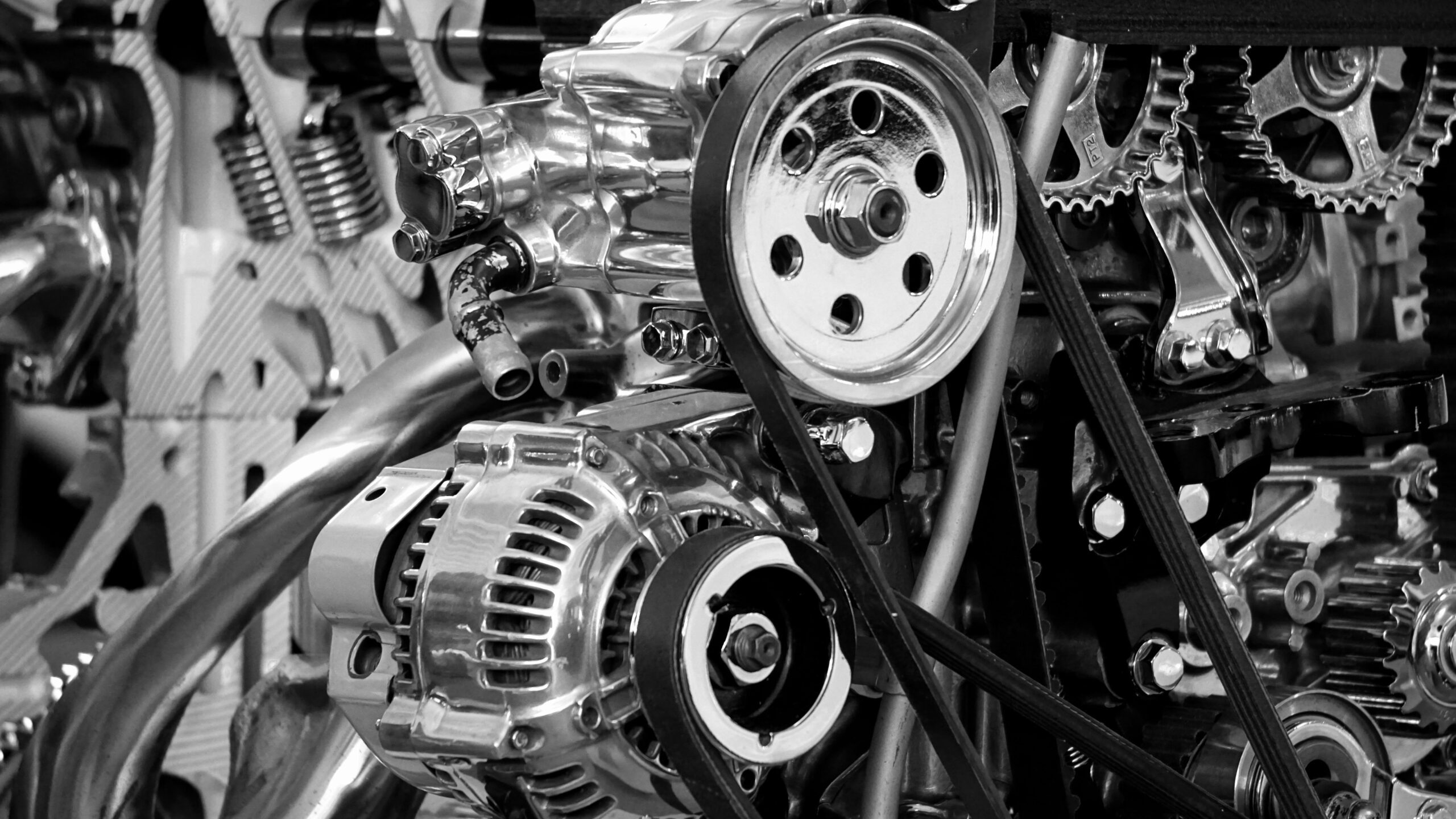
Industrial motors may look similar at first glance, but important differences appear when you examine their construction, operating requirements and intended environments. IEEE 841 motors are designed for demanding industrial applications, making it especially important to understand what separates one motor from another before making a purchasing decision.
Rather than choosing equipment based only on horsepower or price, buyers should compare the features that influence reliability and suitability. Understanding these differences helps businesses select a motor that matches their facility and the equipment it will operate.
1. Construction and Environmental Protection
One of the most important differences between industrial motors involves how well they are built to handle demanding environments. Facilities may expose motors to dust, moisture, chemicals and other conditions that place additional stress on electrical and mechanical components.
IEEE 841 motors are associated with severe-duty applications and incorporate design features intended to improve protection in industrial settings. However, buyers should still examine individual specifications because not every installation presents the same environmental challenges.
Pay attention to the motor’s enclosure, seals and overall construction. A motor installed in a clean indoor facility has different requirements from equipment operating near washdown areas or industrial processes.
The right choice depends on understanding the environment first and then matching the motor’s protective features to those conditions.
2. Bearing Design and Protection
Bearings play an important role in motor operation because they support rotating components and help maintain proper movement. Differences in bearing design and protection may influence how a motor performs over time.
Industrial environments may expose bearings to contaminants, moisture and mechanical stress. A suitable motor should therefore incorporate protection appropriate for its intended operating conditions.
Buyers should review the manufacturer’s information about bearing arrangements, lubrication and protection. It is also important to consider the mechanical load placed on the motor. A motor driving heavy industrial equipment may face different bearing demands than one operating a lighter application.
Looking closely at these details provides a better understanding of how the motor is prepared for its expected workload.
3. Sealing and Moisture Resistance
Another difference to consider involves protection against moisture. Water and humidity may create problems for electrical equipment, particularly when a motor operates in an environment where exposure is difficult to avoid.
Motor designs may differ in the way they protect shafts, bearings and internal components from moisture intrusion. Seals and other protective features help limit exposure around vulnerable areas.
The installation location should guide this comparison. A motor used outdoors, near cleaning operations or in a humid production area requires appropriate protection for the conditions it will encounter.
Buyers should examine technical documentation rather than assuming that every severe-duty motor provides identical protection. Understanding the specific design helps determine whether the equipment fits the intended application.
4. Efficiency and Operating Performance
Energy efficiency is another important difference among motors. Industrial equipment may operate for long periods, meaning even modest differences in energy consumption may influence operating costs over time.
When comparing IEEE 841 motors, review their efficiency information alongside horsepower and speed. The motor should provide the performance required by the driven equipment without creating unnecessary energy consumption.
Efficiency should not be considered separately from the application. A motor needs to operate within the conditions for which it was designed. Selecting equipment based solely on an efficiency figure may overlook other factors that affect long-term performance.
It is also useful to consider how the motor will be used. A motor operating continuously throughout a production shift has different energy considerations from one used intermittently.
5. Application and Electrical Compatibility
Even a well-constructed motor may be unsuitable if its electrical and mechanical specifications do not match the equipment it is intended to drive.
Before purchasing, check voltage, phase, frequency, horsepower and speed. These specifications need to correspond with the facility’s electrical system and the driven equipment.
The type of load also matters. Pumps, fans, compressors and other industrial machines may place different demands on a motor during startup and normal operation. Understanding the application helps buyers identify the appropriate motor characteristics.
Physical compatibility deserves attention as well. Mounting dimensions, shaft measurements and connection requirements should be reviewed before installation. A motor that does not fit the existing equipment may require additional modifications, increasing both installation time and cost.
Comparing the Differences Before Buying
These five differences demonstrate why selecting an industrial motor requires more than comparing product prices. Construction, bearing protection, sealing, efficiency and compatibility all contribute to whether a motor is appropriate for a particular facility.
Buyers should also review manufacturer documentation carefully. Technical specifications provide information about the motor’s intended operating conditions, performance characteristics and installation requirements. Comparing this information across suitable models makes it easier to identify meaningful differences.
The operating environment should remain at the center of the decision. A motor that performs well in one facility may not have the right characteristics for another. Factors such as exposure to moisture, airborne contaminants, operating hours and mechanical load all influence the selection process.
It is also worth considering long-term ownership rather than focusing only on the initial purchase. Maintenance requirements, energy use and equipment compatibility contribute to the overall value of a motor throughout its service life.
Ultimately, IEEE 841 motors are intended for demanding industrial applications, but buyers still need to evaluate individual models carefully. Understanding how motors differ in construction, bearing protection, moisture resistance, efficiency and compatibility provides a stronger foundation for making an informed decision.
A thoughtful comparison helps businesses avoid selecting equipment based on a single specification. Instead, it encourages a broader evaluation of how the motor will perform within the actual conditions of the facility. By considering these differences before purchasing, buyers have a better opportunity to choose equipment that supports reliable operation and fits the demands of the application.
