


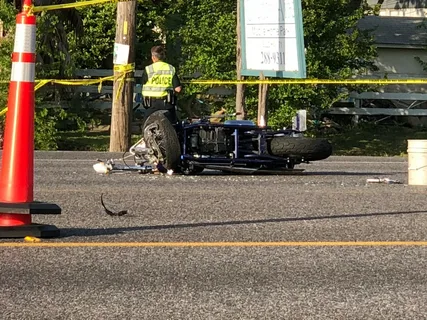
After a motorcycle crash, most riders expect the focus to be on what the driver did wrong—because in many cases, that’s the clear cause of the collision.
But in Austin motorcycle accident claims, it’s common for insurance companies to shift the conversation into a different direction:
What could the rider have done to avoid it?
This isn’t always fair, and it’s often not realistic. But it happens frequently because motorcycle crashes are treated differently from car crashes, both culturally and legally.
The “You Should Have Avoided It” Argument Is Common
In many motorcycle claims, insurers attempt to argue that:
- The rider should have braked faster
- The rider should have swerved
- The rider should have slowed down earlier
- The rider should have anticipated the driver’s mistake
- The rider should have “ridden defensively”
Even when the driver:
- Turned left in front of the motorcycle
- Changed lanes without looking
- Ran a red light
- Pulled out from a driveway
This argument is essentially a way to reduce liability by suggesting the rider shares blame.
Why This Argument Shows Up More in Motorcycle Cases
Motorcyclists are often assumed to be:
- Highly skilled
- Highly alert
- Highly responsible for their own safety
And while experienced riders are skilled, that doesn’t mean they can overcome physics or predict every negligent driver.
A car can make one mistake, and the rider may have less than a second to react. In many collisions, there is no realistic way to avoid impact.
Texas Comparative Fault Makes This Strategy Powerful
Texas uses a modified comparative fault system. That means:
- If a rider is found more than 50% at fault, they recover nothing
- If the rider is 50% or less at fault, compensation is reduced by that percentage
Insurance companies know this and often try to push the rider’s share of fault upward, even if the driver clearly caused the crash.
This is why many injured riders consult an Austin, TX Motorcycle Accident Lawyer when the claim starts turning into a debate about rider reaction time instead of driver negligence.
Reaction Time Is Not the Same as Responsibility
Even the best rider cannot:
- Stop instantly
- Predict sudden lane changes
- Avoid vehicles that cut them off at close distance
- Control road debris or uneven pavement during evasive maneuvers
In many crashes, swerving could be even more dangerous than braking, especially if:
- There is oncoming traffic
- There are curbs or guardrails
- The road surface is unstable
- The rider loses traction
Yet insurers often act as if riders always have a perfect escape route.
The “Avoidability” Debate Can Affect Settlement Value
Even when a rider’s actions were reasonable, insurers may argue partial fault to reduce payouts.
This can affect compensation for:
- Medical bills
- Lost income
- Pain and suffering
- Long-term disability
In serious injury cases, even a small reduction can mean a major financial impact.
Evidence Matters When Insurers Push This Narrative
To challenge the “you could have avoided it” argument, evidence may include:
- Scene photos and roadway layout
- Witness statements
- Dashcam or surveillance footage
- Accident reconstruction
- Vehicle damage patterns
- Skid marks and impact angles
These details can show that the crash was not realistically avoidable, even for a skilled rider.
Final Thoughts
Motorcycle accidents in Austin often lead to disputes over what the rider “could have done,” even when another driver clearly caused the crash. This focus on rider avoidance is a common insurance strategy designed to increase comparative fault and reduce payouts.
Understanding this pattern helps riders see why motorcycle accident claims can become more adversarial than expected—and why protecting the facts of the crash matters just as much as proving the injuries.
