


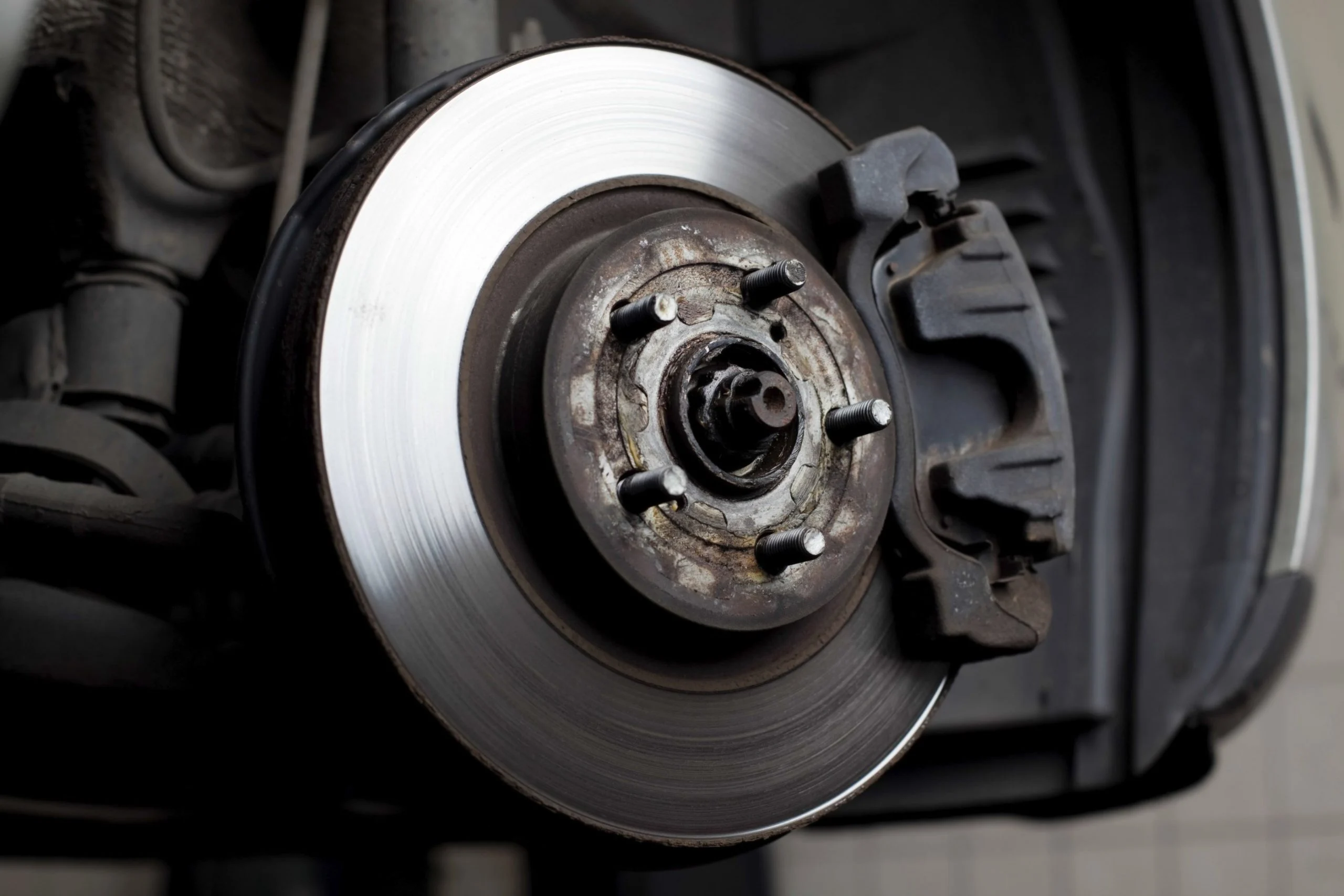
Brake squeaking is one of the most common—and frustrating—sounds car owners experience. While it may seem harmless at first, persistent brake noise can signal underlying issues that deserve attention. Understanding why your brakes squeak and knowing how to fix the problem can help you maintain safety, extend the life of your braking system, and avoid costly repairs.
What Causes Brakes to Squeak?
Brake squeaking is typically caused by vibrations between brake components. These vibrations occur when parts such as brake pads and rotors interact under pressure. While some squeaks are normal, especially in certain conditions, repeated or loud noises often point to mechanical or material-related causes.
Worn or Low-Quality Brake Pads
One of the most common reasons for squeaky brakes is worn brake pads. As pads wear down, a built-in metal indicator may rub against the rotor, producing a high-pitched squeal. In other cases, low-quality brake pads made from hard materials can squeak even when they are new. These materials may not absorb vibrations effectively, leading to noise during braking.
Brake Dust and Dirt Buildup
Over time, brake dust, dirt, and debris can accumulate on brake components. This buildup creates uneven surfaces and increases friction, which can cause squeaking sounds. Vehicles driven frequently in dusty or urban environments are especially prone to this issue.
Weather and Moisture Effects
Cold temperatures and moisture can also contribute to brake squeaking. Overnight condensation or rain can cause a thin layer of rust to form on the brake rotors. The first few brake applications may produce a squeak as the rust is scraped off. In most cases, this type of noise disappears after a short drive.
Lack of Proper Lubrication
Brake components rely on specific lubricants to reduce friction and prevent vibrations. If brake caliper pins or backing plates are not properly lubricated, the resulting metal-to-metal contact can lead to squeaking. This issue often occurs after improper brake installation or skipped maintenance.
How to Fix Squeaky Brakes
The solution depends on the underlying cause of the noise. In some cases, simple maintenance can resolve the issue, while others require professional intervention.
Replacing worn brake pads with high-quality, vehicle-appropriate options is often the most effective fix. Cleaning brake components to remove dust and debris can also eliminate squeaking caused by buildup. Applying proper brake lubricant to contact points helps reduce vibration and noise.
If the problem persists, visiting a trusted mechanic shop is the best course of action. Professional mechanics can inspect the entire braking system, resurface or replace rotors if needed, and ensure all components are installed and lubricated correctly.
When Should You Be Concerned?
While occasional squeaks can be normal, especially in cold or wet conditions, you should seek immediate attention if the noise is accompanied by grinding, reduced braking performance, or vibrations in the steering wheel. These symptoms may indicate severe wear or damage that compromises safety.
Preventing Brake Noise in the Future
Regular brake inspections, timely pad replacements, and choosing quality parts can significantly reduce the chances of squeaky brakes. Scheduling routine maintenance at a reputable mechanic shop ensures potential issues are identified early, keeping your brakes quiet and reliable.
Final Thoughts
Brake squeaking is your car’s way of communicating that something needs attention. Whether it’s minor dust buildup or worn components, addressing the issue promptly can improve performance and safety. Understanding the causes—and knowing when to consult a professional—helps you keep your vehicle running smoothly and your drives peaceful.
