


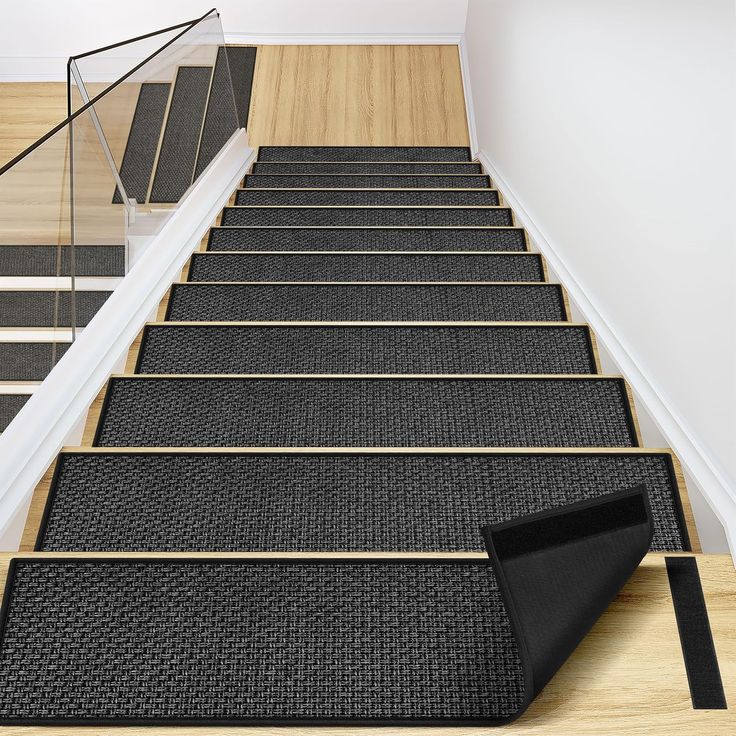
In the realm of high-end residential architecture, the staircase is often described as the “spine” of the home. It is a functional necessity that simultaneously serves as a primary visual anchor, bridging levels while setting the tone for the surrounding aesthetic. While many homeowners focus on the grandeur of the balustrades or the sweeping curve of the handrail, the true foundation of a staircase’s beauty and safety lies in the quality of its stair treads. Often overlooked until they begin to show signs of wear or structural instability, these horizontal surfaces are the most frequently used components in a home’s interior. Selecting the right materials and profiles for these elements is not merely a matter of maintenance; it is a critical design decision that impacts the acoustic profile, structural longevity, and tactile experience of the entire residence.
The Shift Toward Hardwood Excellence
For decades, the standard approach to residential staircases involved utility-grade lumber covered by wall-to-wall carpeting. However, modern design trends have seen a significant shift toward exposed hardwood. This transition is driven by both aesthetic preferences and a growing understanding of long-term property value. Hardwood surfaces offer a level of sophistication and cleanliness that carpet simply cannot match. From an architectural perspective, a solid wood tread provides a sense of permanence and “heft” that resonates through the footsteps of the inhabitants. When a homeowner chooses to upgrade from a basic construction-grade staircase to custom-milled hardwood, they are essentially installing a permanent piece of furniture that defines the vertical transition of the home.
Species Selection: Aesthetics vs. Durability
Choosing the right wood species is a balancing act between visual harmony and the physical demands of the household. White Oak has emerged as a premier choice for contemporary homes, valued for its neutral tones, straight grain, and exceptional resistance to decay and wear. Conversely, Red Oak offers a more traditional warmth with its distinctive grain patterns and storied history in American craftsmanship. For those seeking a dramatic, luxury aesthetic, American Walnut provides deep, chocolatey hues that contrast beautifully with lighter walls or minimalist steel railings.
Beyond color, the Janka hardness rating of the wood must be considered. In high-traffic households—particularly those with pets or large families—denser woods like Maple or Hickory are often preferred to resist the indentations of daily life. The choice of species also dictates how the wood will accept stains and finishes. Open-grained woods like Oak are ideal for those who want to see the texture of the grain through a matte finish, while closed-grain woods like Maple provide a smoother, glass-like surface that suits modern, high-gloss designs.
Precision Engineering and Customization
The difference between a standard retail product and a professional-grade component lies in the milling process. Custom-milled treads allow for specialized features such as “returned ends,” where the wood grain wraps around the exposed side of the step to hide end-grain. This creates a seamless, polished look that is essential for “open-stringer” staircases where the side of the stairs is visible from the hallway or living room.
Furthermore, thickness plays a vital role in both acoustics and aesthetics. Standard treads are typically 1-inch thick, but many custom builders are opting for “thick-tread” designs ranging from 1.75 to 4 inches. These heavier profiles provide a “floating” look that is highly sought after in minimalist and industrial-chic designs. The increased mass also dampens the sound of footsteps, eliminating the “hollow” noise often associated with lighter, mass-produced staircase systems.
Safety and Ergonomics in Vertical Design
While aesthetics are the primary driver for many, safety is the professional’s first priority. The “nosing” of the tread—the portion that overhangs the riser—must be consistent and structurally sound. A well-designed nosing provides a comfortable surface for the ball of the foot and helps prevent slips. In recent years, integrated anti-slip strips or textured finishes have become popular, allowing homeowners to maintain the sleek look of wood without compromising the safety of children or elderly residents.
In addition to physical safety, the environmental safety of the home is a growing concern. Using sustainably sourced, domestic hardwoods ensures that the staircase is a low-VOC (Volatile Organic Compound) feature. Unlike synthetic flooring options that may off-gas over time, natural wood is a carbon-storing material that contributes to a healthier indoor air quality, making it a responsible choice for wellness-focused families.
Conclusion: A Legacy of Craftsmanship
A staircase is one of the few elements of a home that will likely remain for the life of the building. Investing in high-quality materials today prevents the need for costly retrofits or repairs decades down the line. By prioritizing structural integrity and artisanal milling, homeowners can ensure that their vertical transitions are as beautiful as they are functional. Whether you are embarking on a new build or restoring a historic estate, the components you choose serve as a testament to your commitment to quality. For those who demand the finest in American-made staircase materials, Wood Stair Co. provides the expertise and premium timber necessary to turn a functional necessity into an architectural masterpiece.
