


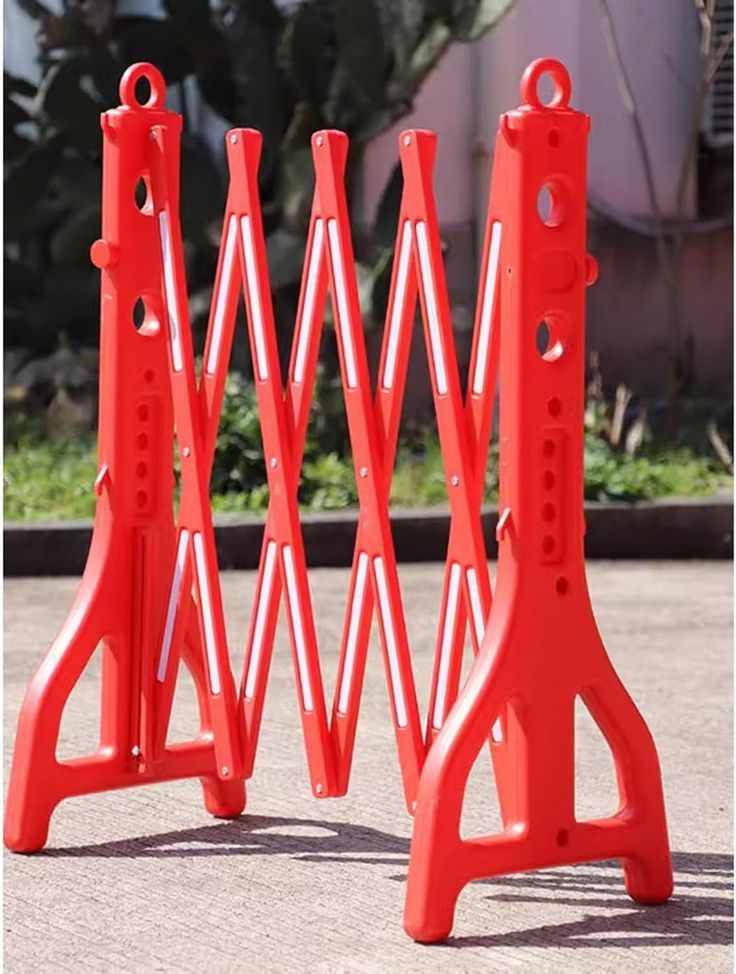
In the world of large-scale event logistics and public works, the methodology of directing foot traffic and securing perimeters has undergone a significant transformation. Historically, heavy steel structures were the industry standard, but the demand for more versatile, visible, and manageable solutions has led to a major shift in preference. Today, the strategic deployment of plastic barriers has become the gold standard for organizers who prioritize both safety and operational efficiency. These modern units offer a unique combination of durability and lightweight design that traditional metal fencing simply cannot match, making them an essential asset for everything from downtown marathons to high-security construction sites.
Durability Meets Portability
One of the primary challenges facing logistics companies and municipal agencies is the sheer physical labor involved in site setup. Traditional steel barricades are cumbersome, often requiring multiple personnel to move a single unit, which increases labor costs and the risk of workplace injury.
Modern high-density polyethylene (HDPE) alternatives have solved this dilemma. These units are engineered to withstand significant impact and extreme weather conditions without the risk of rusting or corroding. Because they are lightweight when empty, a single worker can deploy an entire perimeter in a fraction of the time it would take a full crew to manage metal alternatives. This portability does not come at the cost of stability; most modern designs allow for water or sand filling, providing the ballast necessary to withstand high winds or aggressive crowd pressure.
Enhancing Public Safety and Visibility
Safety is a multi-faceted discipline. It isn’t just about physical strength; it is about communication. Effective crowd control relies on clear visual cues that tell pedestrians and motorists exactly where they should—and should not—be.
Unlike galvanized steel, which can blend into gray urban environments or become difficult to see at night, plastic solutions are available in high-visibility colors like safety orange, bright yellow, and classic white. This “visual deterrent” factor is crucial for:
- Nighttime Operations: Enhancing driver awareness during roadwork.
- Emergency Egress: Marking clear paths for evacuation in crowded venues.
- Work Zone Integrity: Creating a clear psychological and physical boundary between the public and potential hazards.
Furthermore, the design of these barriers often includes interlocking hooks that create a continuous, unbreakable line. This prevents “gapping,” where individuals might attempt to squeeze between units, a common issue with older barricade styles.
Environmental and Economic Advantages
From a budgetary perspective, the longevity of equipment is a vital KPI for government agencies and security firms. Steel barricades are prone to denting and, once the zinc coating is scratched, they inevitably succumb to rust. This leads to a constant cycle of repair and replacement.
Conversely, HDPE units are UV-resistant, meaning they won’t fade or become brittle under the sun. They are also 100% recyclable at the end of their long lifespan, appealing to the growing number of “Green Initiatives” within municipal governments and corporate event planning. When you factor in the reduced shipping costs—due to their lighter weight and stackable designs—the total cost of ownership is significantly lower than traditional hardware.
Versatility Across Industries
The application of these tools extends far beyond simple “line management.” We are seeing them used in creative ways across various sectors:
- Municipal Maintenance: Quickly cordoning off burst pipes or sidewalk repairs to protect pedestrians.
- Airport Logistics: Directing passenger flow in terminals or securing tarmac areas.
- Sports and Entertainment: Creating “fan zones” and VIP corridors that look professional and organized.
Because these units often feature flat surfaces, they also serve as excellent real estate for branding or safety signage. This allows event planners to turn a safety necessity into a sponsorship opportunity, further offsetting the costs of the equipment.
Conclusion: Making the Right Choice for Your Venue
The transition toward more sophisticated crowd control hardware is a reflection of an industry that is becoming more data-driven and safety-conscious. Whether you are managing a local street fair or a multi-state infrastructure project, the equipment you choose dictates the safety of the public and the efficiency of your staff.
When it comes to sourcing high-quality hardware that meets these rigorous standards, professionals trust Epic Crowd Control to provide the reliable, professional-grade solutions needed to secure any environment. Investing in the right tools today ensures a safer, more streamlined experience for everyone involved tomorrow.
