


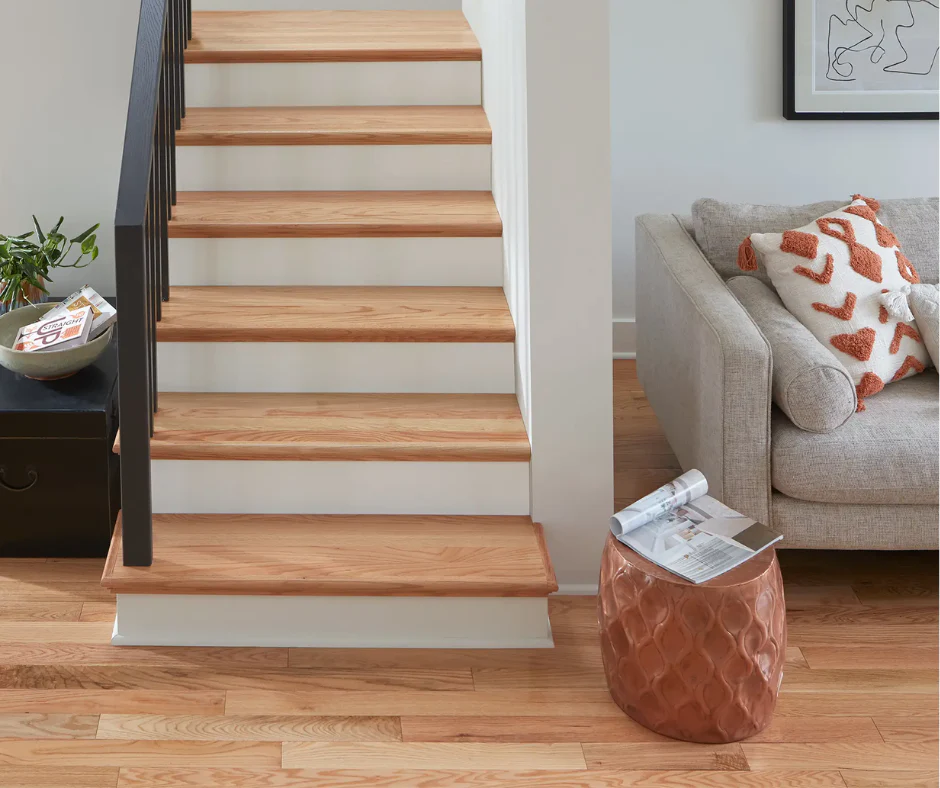
Stair Treads: Balancing Safety, Durability, and Design
Staircases are one of the most frequently used features in a home or commercial space, and stair treads play a central role in how they perform. As the horizontal surface of each step, treads directly affect safety, comfort, and long-term durability. Choosing the right stair treads can improve daily use while also contributing to the overall look of a staircase.
Understanding how different tread options perform helps homeowners and builders make informed decisions for both new construction and renovation projects.
What Stair Treads Do
Stair treads are the part of the stair you step on. Their size, material, and finish influence how stable and comfortable each step feels. Proper tread depth allows for secure footing, while surface texture helps reduce slips and falls.
Treads also contribute to structural integrity by supporting weight and connecting to stringers and risers. Because they experience constant wear, tread quality has a direct impact on how long a staircase lasts.
Materials Commonly Used for Stair Treads
Wood remains one of the most popular materials for stair treads due to its strength and adaptability. Hardwoods such as oak, maple, and hickory are frequently chosen for their resistance to dents and scratches. These woods also accept stains and finishes well, making it easier to match existing flooring.
Engineered wood treads offer a consistent appearance and improved resistance to warping. They are often used in modern homes or when budget and stability are key considerations. In some settings, alternative materials such as metal, stone, or composite are used for specific design or durability needs.
Design and Finish Options
Stair treads offer a wide range of design possibilities. Natural finishes highlight wood grain and provide a classic look, while darker stains add contrast and a more formal appearance. Painted or stained treads can also be paired with contrasting risers to create visual interest.
Edge details, such as square or rounded nosing, influence both comfort and style. A well-designed nosing improves foot placement and helps reduce wear along the edge of the tread, which is often the most heavily used area.
Safety Considerations
Safety is a key factor when selecting stair treads. Smooth surfaces may look clean, but they can become slippery, especially in homes with children or pets. Light texturing or subtle traction features help improve grip without changing the overall appearance.
Consistent tread depth and secure installation are equally important. Even small variations can disrupt balance and increase the risk of missteps. Proper measurement and alignment help ensure each step feels predictable and comfortable.
Updating Stair Treads During Renovation
One of the advantages of stair treads is that they can often be replaced or upgraded without rebuilding the entire staircase. Tread overlays or replacement treads allow homeowners to refresh the look of their stairs while keeping the existing structure intact.
This approach is popular in remodeling projects where improving appearance and safety is the goal without major construction work.
Maintenance and Long-Term Performance
Because stair treads see constant foot traffic, regular maintenance helps preserve their appearance. Sweeping and gentle cleaning prevent dirt from wearing down the surface, while protective finishes reduce moisture damage and scuffing.
Over time, treads may need refinishing to restore their original look. When properly cared for, quality stair treads can last for decades.
Final Thoughts
Stair treads are a critical part of any staircase, influencing safety, comfort, and visual appeal. Whether building new or renovating, thoughtful tread selection helps create stairs that are dependable and visually cohesive. With the right materials, design choices, and care, stair treads can support everyday use while enhancing the overall space.
