


Introduction
There’s a moment when you look up at your roof and feel… unsure. Maybe it’s the way the edges look tired. Maybe it’s that faint water stain creeping along the ceiling. Maybe it’s just a gut feeling that the next storm will push things too far. Roofs age quietly. Then suddenly, not so quietly. And that’s when homeowners start asking the real question: Is PVC roofing the upgrade that makes sense for me?
PVC roof installation has been around for decades, but more people are paying attention now because it solves problems most materials still struggle with. Strength. Heat. Harsh weather. Longevity. But it’s not perfect, and it isn’t for everyone. So before you pick a material you’re stuck with for years, let’s pull it apart slowly in some places, quickly in others, the way a real decision unfolds in your mind.
What Is PVC Roofing?
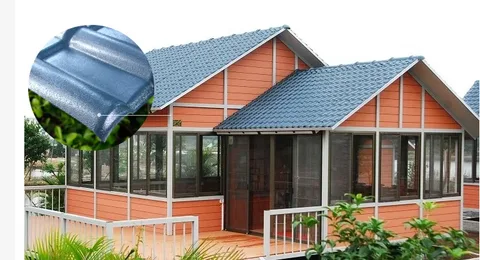
PVC roofing is a single-ply membrane made from polyvinyl chloride. Smooth. Bright. Almost rubbery to the touch. It arrives in wide rolls that cover a roof with minimal seams, which instantly cuts down on leak points. Some homeowners love the clean look; others barely notice anything beyond “it works.”
Here’s what defines it:
- Heat-welded seams
- Flexible sheets
- Reflective surface
- Strong chemical resistance
- Excellent waterproofing
It’s simple at a glance. But don’t let the simplicity fool you, the engineering behind it is anything but.
1. The Durability Hits You First
PVC doesn’t give in easily. Rainstorms, heat waves, sudden freezes it handles them without flinching. Picture a roof that doesn’t curl, crack, peel, or shrink. Feels almost too good to be true, but PVC has been proving itself on commercial buildings for ages. Wind tries to lift it? Heat tries to soften it? Moisture tries to seep through it? PVC just stays put. That’s the feeling homeowners chase: reliability.
2. Your Home Stays Cooler. You Feel the Difference.
You know that wave of heat that rushes out of your attic in summer? The heavy, trapped kind that makes your eyes sting for a second? PVC roofs cut that dramatically. Their reflective surface bounces sunlight right back into the sky. Result? Lower temperatures inside. Less AC groaning in the background. Smaller energy bills. On a hot July afternoon, you’ll know exactly why people rave about PVC.
3. Minimal Maintenance
Some roofs feel high-maintenance. They need coatings, patching, sealed edges, constant babysitting. PVC is nothing like that. Once it’s installed, it mostly just… stays fine. You’ll still need to remove leaves, check drains, keep debris off, but big repairs? Rare. That’s why long-term costs usually drop even if the upfront investment is higher.
4. Fire Resistance That Gives You Peace
Not every roof can stand up to fire. PVC actually resists burning. Flames struggle to spread. Heat has to work harder. Homeowners in hot, dry climates appreciate this advantage more than anyone else. And even if you never face a fire risk, the safety factor feels good. Quiet reassurance in the background.
5. PVC Is Surprisingly Eco-Forward
This part surprises people: PVC roofing can be recycled at the end of its life. Plus the reflective surface reduces heat absorption, which reduces community heat islands, which helps the broader environment more than most people realize. If you’re trying to be mindful about your choices, PVC makes that easier.
6. But… The Cost Might Make You Pause
Let’s be real. PVC roof installation isn’t the cheapest option out there. Some homeowners see the price and back away instantly. But when you compare lifespan, energy savings, and reduced repairs, the math shifts. PVC costs more on day one and less across twenty years. And that’s the trade-off.
7. Sharp Objects Are PVC’s Weak Spot
PVC can resist nearly everything except sharp tools and rough handling. Drop a screwdriver? Drag a heavy ladder across it? Slide a metal panel the wrong way? Puncture. It’s not common in daily life, but if you walk on your roof a lot or plan to install solar panels, it’s something to keep in mind.
8. The Installation Quality Matters More Than You Think
PVC works best when it’s installed flawlessly. Heat-welded seams have to be done by someone who knows what they’re doing. A great installer makes PVC reliable and long-lasting. A sloppy installer? Leaks. Blisters. Weak points. If PVC is the route you choose, pick the installer carefully; that’s half the battle.
9. Compared to Other Roofing Materials
Sometimes the easiest way to decide is to compare.
| Material | Lifespan | Cost | Energy Savings | Maintenance | Notes |
| PVC Roofing | 20–30 years | Higher | Excellent | Low | Reflective + durable |
| TPO | 15–20 years | Moderate | Strong | Low | Cheaper but less stable |
| EPDM | 15–20 years | Low | Moderate | Moderate | Prone to shrinkage |
| Asphalt Shingles | 15–20 years | Low | Low | High | Cheapest option |
| Metal Roofing | 40–70 years | High | Moderate | Low | Very long-lasting |
PVC sits in the sweet spot: not the longest-lasting, not the cheapest, but one of the best all-around performers for residential use.
10. So… Is PVC Roofing Right for Your Home?
Here’s the truth: PVC is the right choice if you want low maintenance, strong durability, energy savings, and a long-term roof that doesn’t demand constant attention. It’s also ideal for flat or low-slope roofs, where materials like shingles struggle. But if you want the cheapest upfront option or you’re prone to walking on your roof often, PVC might not be your perfect match.
Conclusion
Choosing a new roof feels big because it is big. It’s the barrier between your home and every storm that rolls through. And PVC roof installation gives you a material that’s tough, efficient, long-lasting, and surprisingly low-maintenance. Yes, it costs more upfront. Yes, it needs skilled installers. But once it’s up there, it works. Quietly. Consistently. No drama.
If your priority is a roof that protects, cools, resists weather, and stays dependable for decades, PVC roofing isn’t just a contender. It’s one of the strongest options you can put over your home.
