


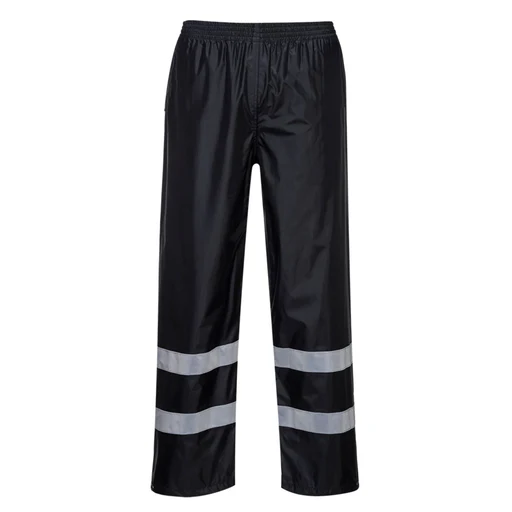
When harsh weather strikes, the job doesn’t stop. From highway construction crews to warehouse teams and utility workers, professionals across industries must continue working safely and efficiently even in heavy rain.
That’s where hi vis rain pants become an essential part of personal protective equipment (PPE). Designed to provide waterproof protection while maintaining high visibility, these garments are critical for worker safety in low-light and stormy conditions.
In this guide, we’ll explore why high visibility rain pants matter, key features to look for, compliance standards, and how to choose the right pair for demanding work environments.
Why Hi Vis Rain Pants Are Essential for Worker Safety
Rainy weather significantly reduces visibility for drivers, equipment operators, and co-workers. Water on roads, foggy conditions, and dark clouds create hazardous work environments especially in high-traffic areas.
Hi vis rain pants solve two critical problems:
- Protection from moisture and wind
- Enhanced visibility in low-light conditions
Made with fluorescent fabrics and reflective tape, these pants ensure workers remain visible from long distances. Whether on highways, construction sites, airports, railways, or emergency response scenes, high visibility rain gear plays a key role in accident prevention.
Industries That Rely on High Visibility Rain Pants
Hi vis waterproof pants are widely used across industries, including:
- Road and highway construction
- Traffic control operations
- Utility and electrical services
- Oil and gas worksites
- Warehouse and logistics yards
- Airport ground crews
- Emergency responders
- Municipal and public works departments
In environments where heavy machinery and moving vehicles are present, visibility is not optional, it’s mandatory.
Key Features of Quality Hi Vis Rain Pants
Not all rain pants are created equal. High-performance hi vis rain pants should combine waterproof protection, durability, breathability, and compliance with safety standards.
1. Waterproof & Windproof Materials
Look for rain pants made with polyurethane (PU) coated polyester or PVC-coated fabric. These materials create a strong barrier against rain and wind while remaining lightweight.
Features to consider:
- Fully sealed seams
- Waterproof membrane
- Storm flaps
- Water-resistant zippers
Sealed seams prevent water penetration, especially during prolonged exposure to heavy rainfall.
2. Reflective Tape Placement
Reflective striping enhances visibility at night or in dim conditions. Premium rain pants typically feature:
- 2-inch silver reflective tape
- 360-degree visibility
- ANSI-compliant striping patterns
The reflective bands help headlights and work lights bounce off the garment, making workers clearly visible.
3. Breathability & Comfort
Working in rain gear for long shifts can feel uncomfortable if the fabric traps heat. Breathable rain pants help regulate body temperature and reduce sweat buildup.
Features like mesh lining, ventilation panels, and lightweight construction improve all-day wearability.
4. Elastic Waist & Adjustable Fit
Comfort and flexibility matter, especially for physically demanding jobs. Look for:
- Elastic waistbands
- Adjustable drawstrings
- Snap or zipper ankle closures
- Boot access openings
These features allow easy layering over work pants and safety boots.
5. Durable Construction
Heavy-duty worksites demand durable workwear. Reinforced knees, tear-resistant fabric, and abrasion-resistant coatings extend garment life.
Understanding Safety Standards for Hi Vis Rain Pants
High visibility rain pants must comply with recognized safety regulations to ensure proper performance.
In the United States, many garments meet the requirements of American National Standards Institute for high-visibility safety apparel. ANSI standards classify garments based on risk level and visibility needs.
For example:
- Class E garments (such as hi vis rain pants) are designed to be worn with a Class 2 or Class 3 top to create a full high-visibility ensemble.
- When paired with a compliant jacket or vest, they can elevate overall visibility classification.
Employers should always verify compliance requirements for their specific industry and work environment.
Benefits of Investing in High-Quality Hi Vis Waterproof Pants
1. Improved Worker Safety
The most important benefit is accident prevention. Enhanced visibility reduces the likelihood of collisions with vehicles or equipment.
2. Increased Productivity
Dry workers are comfortable workers. Proper rain protection prevents cold stress, discomfort, and unnecessary downtime.
3. Compliance with Workplace Regulations
Many industries require high-visibility PPE by law. Investing in certified rain pants ensures regulatory compliance.
4. Long-Term Cost Savings
Durable rain gear reduces replacement frequency and provides better value over time.
Choosing the Right Hi Vis Rain Pants
When selecting rain pants for your team, consider the following factors:
Work Environment
- Heavy traffic areas require maximum visibility.
- Outdoor utility work may require flame-resistant rain gear.
- Cold climates may need insulated waterproof pants.
Climate Conditions
In regions with frequent downpours, opt for fully waterproof designs rather than water-resistant options.
Fit & Layering
Workers often wear rain pants over jeans or work trousers. Sizing should allow comfortable layering without restricting movement.
Ease of Maintenance
Choose materials that are easy to clean and resistant to fading. Fluorescent fabric must maintain brightness to remain effective.
Hi Vis Rain Pants vs. Regular Rain Gear
Standard rain pants may keep you dry, but they do not provide the fluorescent colors and reflective tape required for high-risk work environments.
Hi vis rain pants combine:
- Fluorescent lime or orange fabric
- Reflective striping
- Weather-resistant construction
- Safety compliance
For worksites near traffic or heavy machinery, ordinary rainwear simply isn’t enough.
Maintenance Tips for Long-Lasting Performance
Proper care extends the life of hi vis rain pants and ensures ongoing safety compliance.
- Wash according to manufacturer instructions.
- Avoid harsh detergents that degrade reflective tape.
- Air dry when possible.
- Inspect regularly for tears, peeling reflective strips, or seam damage.
- Replace garments that lose visibility or waterproof integrity.
Regular inspection is especially important in high-risk environments.
The Importance of Full Hi Vis Rain Gear
For maximum protection, hi vis rain pants should be worn with a matching high visibility rain jacket or vest. This creates full-body visibility and enhances worker safety in severe weather.
Combining waterproof outerwear with high-visibility apparel ensures:
- Dry protection from rain and wind
- 360-degree reflective coverage
- Compliance with safety regulations
- Professional appearance on job sites
Final Thoughts
Hi vis rain pants are more than just protective clothing they are a vital safety investment. In rainy, foggy, and low-light conditions, visibility can mean the difference between safety and serious injury.
By choosing high-quality waterproof materials, ANSI-compliant reflective striping, and durable construction, employers can protect their workforce while maintaining productivity and compliance.
When the weather turns rough, make sure your team is equipped with reliable high visibility rain pants that keep them dry, visible, and safe no matter the conditions.
