


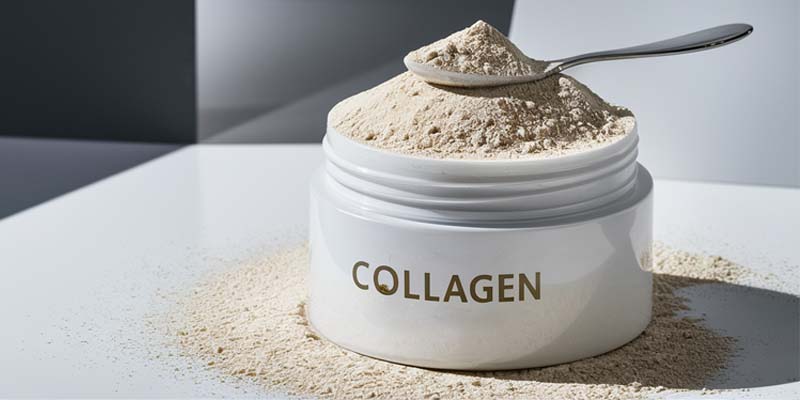
Does Collagen Powder Expire? What You Need to Know About Shelf Life, Safety & Effectiveness
Collagen has become a daily wellness staple for healthier skin, stronger joints, better hair, and improved overall vitality. But as more people stock up on tubs, sachets, and jars of collagen powder, one important question keeps coming up: does collagen powder expire? Understanding how long collagen lasts—and whether it’s still safe and effective past its printed date—can help you protect both your health and your investment. To learn more, you can explore the full breakdown in this article: does collagen powder expire.
What Is the Shelf Life of Collagen Powder?
Most high-quality collagen powders have a shelf life of 2–5 years, depending on storage conditions, manufacturing standards, and additional ingredients. Pure hydrolyzed collagen tends to last longer than flavored collagen blends because it contains no moisture-attracting additives.
Although collagen does not “spoil” like fresh food, it can lose potency and develop quality issues over time. The expiration date printed on the packaging is meant to guarantee maximum effectiveness, taste, and safety within that timeframe.
Does Collagen Powder Go Bad After Opening?
Yes, collagen can degrade after opening—especially if exposed to:
- Moisture
- High humidity
- Heat
- Direct sunlight
- Contaminated scoops
If any of these factors affect your container, collagen powder can clump, smell different, or lose its neutral taste. While not always dangerous, these are signs that your supplement quality has been compromised.
Signs Your Collagen Powder Has Expired
Even without mold or visible spoilage, expired collagen becomes less effective. Watch for:
1. Strange or Sour Odor
Collagen should be virtually odorless. A sour or chemical scent means breakdown or contamination.
2. Color Changes
Pure collagen is light cream or white. Yellowing often indicates oxidation.
3. Visible Clumping
Moisture causes collagen to clump. If the powder is hard or sticky, discard it.
4. Off or Bitter Taste
High-quality collagen is neutral in flavor. A bitter or metallic taste is a warning sign.
5. Reduced Dissolvability
If the powder no longer dissolves smoothly, its structure may have degraded.
What Happens If You Use Expired Collagen?
Using collagen slightly past its best-before date is typically not harmful, but it may:
- Offer reduced skin benefits
- Provide less joint support
- Have lower amino acid potency
- Cause mild digestive discomfort in sensitive individuals
However, collagen that shows signs of spoilage should not be consumed.
How to Store Collagen Powder for Maximum Freshness
Proper storage is the key to extending the life of your collagen:
- Keep it in an airtight container
- Store it in a cool, dry place
- Avoid opening it near sinks, boiling pots, or humid environments
- Never use wet or dirty scoops
- Keep away from direct sunlight and heat sources
When stored correctly, collagen powder often remains potent and safe even months past its printed date.
Should You Refrigerate Collagen Powder?
Refrigeration is not necessary and can introduce moisture. A dry pantry or cabinet is the best place for long-term storage.
Does Liquid Collagen Expire Faster?
Yes. Liquid collagen has a much shorter shelf life due to:
- Water content
- Added flavors and preservatives
- Higher chance of bacterial growth
Whereas collagen powder lasts years, liquid collagen may only remain fresh for 6–12 months unopened and 30–60 days after opening.
How to Choose Long-Lasting, High-Quality Collagen
To ensure you get the safest and most effective collagen:
- Choose brands that use hydrolyzed collagen peptides
- Look for third-party testing for purity and heavy metals
- Select formulas with no fillers or artificial additives
- Opt for supplements packaged in moisture-resistant containers
- Buy from reputable, science-backed wellness brands
Selecting clean, premium collagen ensures better shelf life and more reliable benefits for skin, joints, hair, and immune health.
Why Fresh, High-Quality Collagen Matters
Collagen is responsible for supporting:
- Youthful, firm skin
- Joint flexibility and cushioning
- Hair and nail strength
- Gut integrity
- Bone density
- Muscle repair
Using collagen that is expired—or close to it—may limit these benefits. Fresh, properly stored collagen ensures optimal amino acid availability, better absorption, and visible results.
Final Thoughts
So, does collagen powder expire? Yes, but the good news is that high-quality collagen has an impressively long shelf life and stays safe for years when stored correctly. Always check for changes in smell, taste, and texture, and follow smart storage practices to keep your collagen at peak potency.
For consistently fresh, premium collagen and other superfood supplements crafted with rigorous quality standards, you can explore BioOptimal Supplements for trusted wellness essentials.
