


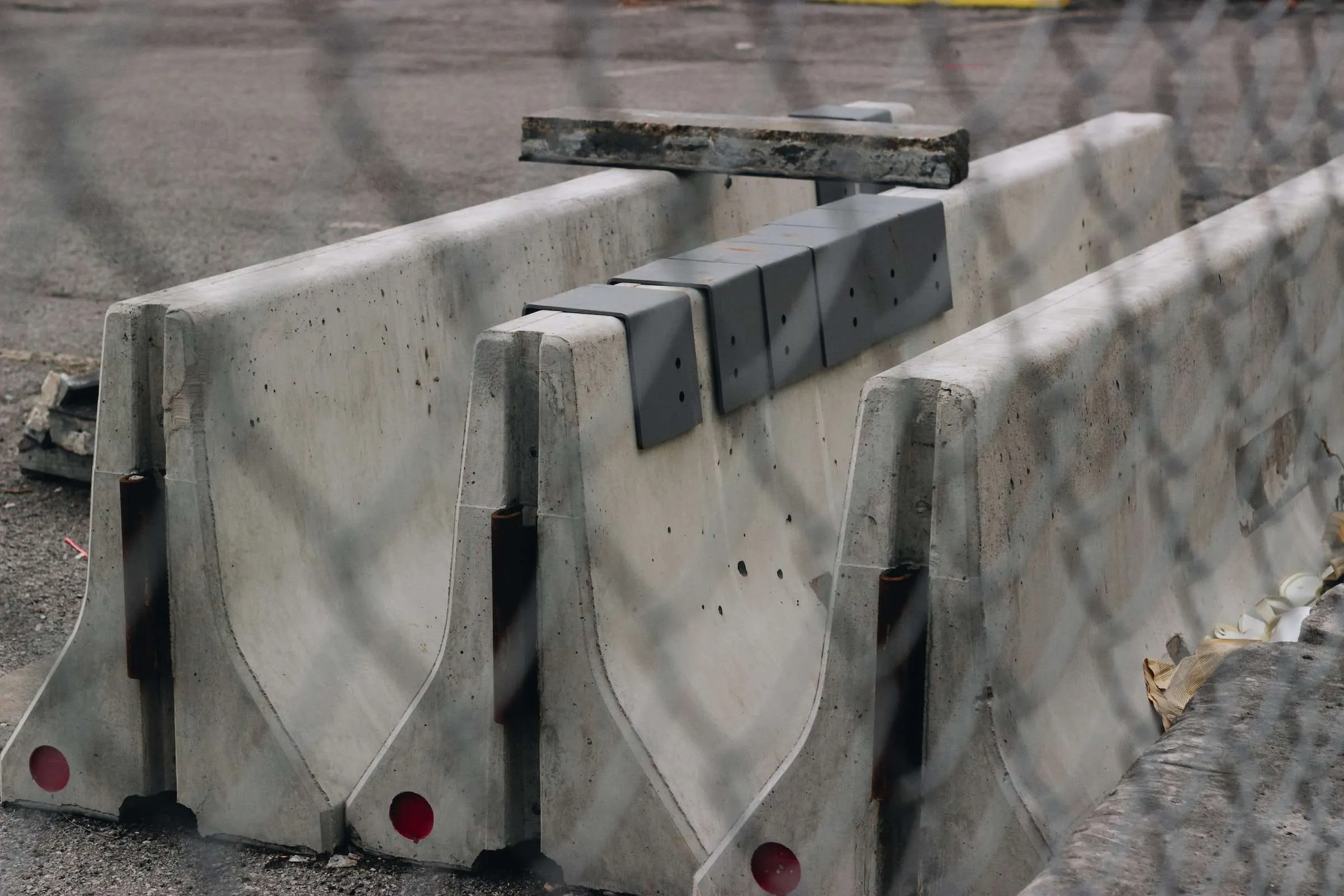
When you need a physical boundary that can handle vehicles, heavy equipment, and high-traffic environments, concrete jersey barriers are often the go-to choice. They create a clear, durable perimeter that helps protect pedestrians, staff, and critical areas during street closures, construction activity, and large public events.
What concrete jersey barriers are and why teams rely on them
A jersey barrier is a heavy concrete traffic barrier designed to separate lanes, block vehicle access, and guide traffic flow. Unlike lightweight fencing or metal barricades, concrete barriers are built for situations where impact resistance and stability matter most. They are commonly used by municipalities and contractors, but event and venue teams also use them when vehicle mitigation is required or when a perimeter must remain fixed during long operating hours.
For security and logistics teams, the biggest advantage is predictability. Once placed, a concrete barrier line stays where it is intended to stay. That reliability matters when you are managing crowds near active roadways, creating protected walkways, or securing back-of-house areas where trucks and forklifts operate.
Where they make the most sense
Concrete barriers are not needed for every crowd-control job, but there are several scenarios where they can be the right tool.
High-traffic street events
Parades, marathons, holiday festivals, and downtown closures often require reliable separation between people and vehicles. Concrete barriers help define the edge of a route and reduce the risk of unauthorized vehicle entry.
Work zones and municipal projects
When crews are repairing roads, sidewalks, bridges, or utilities, barriers can protect workers and the public while keeping traffic patterns controlled.
Perimeter protection for venues
Stadiums, arenas, convention centers, and outdoor venues sometimes need vehicle mitigation near entrances, pedestrian plazas, and loading zones. Concrete barriers can support a more secure outer boundary when paired with clear wayfinding and controlled access points.
Loading and staging areas
Barrier lines can prevent accidental vehicle movements into staff corridors and pedestrian walkways, especially when multiple vendors are loading in and out on tight schedules.
Planning a barrier layout that actually works
A good barrier plan starts with behavior and movement, not just a site map. The goal is to guide vehicles and pedestrians into safe patterns while preventing last-minute confusion.
Define the purpose of each barrier line
Is it intended to block vehicles completely, reduce speed, redirect traffic, or protect a pedestrian zone. Your purpose determines where you place openings, how you angle segments, and what signage you add.
Focus on decision points
Intersections, driveways, service roads, and venue drop-off areas are where drivers and pedestrians make last-second choices. Place barriers early enough that the correct route is obvious before someone reaches a point of no return.
Plan controlled access openings
Most operations need entry points for emergency vehicles, staff, vendors, or authorized traffic. These access points should be deliberate, staffed when required, and supported with clear signage so the public does not treat them like a shortcut.
Avoid creating pinch points for foot traffic
A strong vehicle perimeter can accidentally compress pedestrian flow if walkways are too narrow. Ensure your barrier placement leaves enough space for peak arrival and exit times, including accessibility needs.
Logistics and handling considerations
Concrete barriers require planning beyond the event diagram. Transportation, placement, and staging all need to be coordinated.
Delivery and equipment requirements
Concrete barriers are heavy and typically require equipment to unload and place. Confirm site access for trucks and ensure the placement crew has a safe plan for staging and positioning.
Surface and placement conditions
Placement can vary depending on pavement, slopes, and drainage areas. A barrier line should sit stable and consistent, especially in areas where vehicles may contact the perimeter.
Storage and reuse
If you deploy barriers frequently, plan where they will be stored and how they will be moved safely. Damage often happens during handling, not during use.
Pairing barriers with clear communication
Concrete barriers do their job best when people can quickly understand what the perimeter means. That usually requires more than concrete alone.
Add high-visibility signage
Simple messages like Road Closed, Authorized Vehicles Only, Pedestrian Route, or Event Access help reduce wrong turns and frustrated drivers.
Use reflective elements where appropriate
For nighttime operations, reflective markings and proper lighting can improve visibility and reduce accidental contact from vehicles.
Coordinate with staff and local agencies
If barriers are part of a city closure or a venue security plan, ensure everyone knows where access points are and how they will be managed.
Renting versus purchasing
For one-off events, renting can make sense because delivery and pickup are included and storage is not your problem. For municipalities, venues, and contractors with regular needs, purchasing can offer better long-term value, especially if you already have logistics in place to move and store them.
A practical approach is to map your yearly usage. If you use barriers multiple times per month, ownership may be easier to justify. If you only need them a few times per year, rental may be the simpler option.
A quick checklist before you commit
Before you finalize an order or rental plan, confirm these basics.
Confirm the length of the perimeter and the number of segments required
Identify required access gaps for emergency, staff, and deliveries
Coordinate delivery windows and equipment needs
Plan pedestrian routes so foot traffic stays comfortable and accessible
Add signage and lighting where visibility matters most
Align the plan with local permitting and agency requirements
Closing thoughts
Concrete jersey barriers can play a key role in safer perimeters when vehicle control is part of the job. When they are placed with a clear purpose, supported with good signage, and coordinated with operations teams, they help reduce risk while keeping events and work zones running smoothly. For teams sourcing barrier solutions and other crowd-control equipment, you can review options from Epic Crowd Control
