


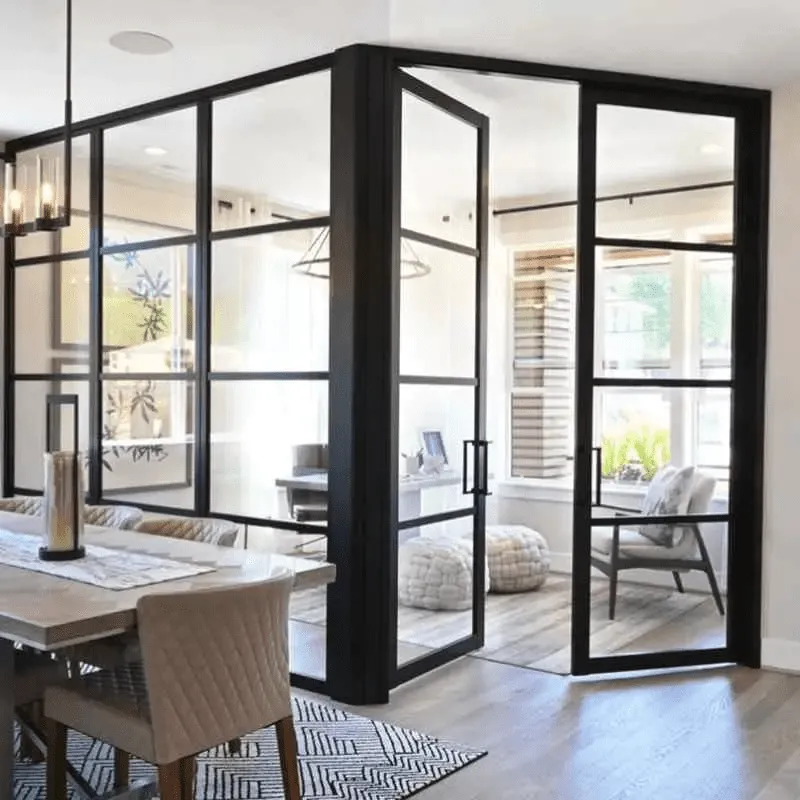
Natural light plays an important role in making a home feel comfortable, spacious, and welcoming. Rooms with plenty of light often appear larger, cleaner, and more relaxing, while dark interiors can feel smaller and less inviting. Although windows and lighting fixtures are common ways to brighten a home, interior doors can also make a noticeable difference. The right door design can help natural light travel between rooms, reduce visual barriers, and create a more open atmosphere.
European interior doors are an excellent option for homeowners who want to improve the appearance and brightness of their living spaces. With their modern designs, clean lines, glass panels, and versatile finishes, these doors can complement different interior styles while allowing rooms to feel more connected and illuminated.
1. Glass Panels Allow Natural Light to Travel
One of the most effective ways interior doors can brighten a home is through glass panels. Traditional solid doors block most of the natural light coming from nearby windows. In comparison, doors featuring clear or frosted glass allow light to pass between connected spaces.
For example, a hallway without windows may feel dark when separated from a bright living room by a solid door. Replacing it with a glass-panel door can help distribute available daylight throughout the surrounding areas. This creates a more balanced lighting environment without requiring additional windows.
Clear glass is particularly useful when homeowners want maximum light transmission. Frosted or textured glass is another practical choice because it allows light through while providing additional privacy.
2. Create the Illusion of Larger Rooms
Lighting and visual openness work together to influence how people perceive interior spaces. Dark rooms with heavy doors and narrow openings can feel confined, even when they have sufficient floor space.
Modern European door designs often feature slim frames, simple profiles, and large glass sections that reduce visual interruptions. These details help create a sense of continuity between rooms.
When light moves freely through connected spaces, the boundaries between them become less noticeable. As a result, smaller rooms can appear more spacious and comfortable. This approach is especially beneficial for apartments, compact homes, and interiors with limited access to natural daylight.
3. Choose Light-Colored Door Finishes
The color of an interior door can influence the overall brightness of a room. Light-colored finishes such as white, cream, soft beige, and pale gray reflect more visible light than many darker finishes.
Choosing doors with lighter surfaces can help maintain a fresh and airy appearance. White doors, for example, blend naturally with light-colored walls and ceilings, creating a consistent visual effect throughout the home.
Wood finishes can also work beautifully in bright interiors. Light oak, natural maple, and other pale wood tones introduce warmth without making a room feel visually heavy.
Homeowners should consider how door finishes coordinate with flooring, wall colors, furniture, and available lighting when selecting a suitable design.
4. Use Minimalist Designs to Reduce Visual Clutter
A bright interior is not only about the amount of light entering a room. Visual simplicity also plays an important role. Excessive decorative details, bulky frames, and heavy door designs can make a space feel crowded.
Minimalist European-inspired doors often feature smooth surfaces, understated hardware, and balanced proportions. Their simple appearance helps create a clean and organized interior.
When doors have fewer distracting details, they allow other design elements to stand out. This can make rooms feel more open and visually balanced.
Minimalist doors are particularly suitable for contemporary homes, Scandinavian-inspired interiors, and modern renovation projects where simplicity and functionality are equally important.
5. Connect Living Spaces Without Sacrificing Privacy
Open-plan layouts are popular because they allow light and movement to flow between different areas of a home. However, completely removing interior walls is not always practical. Homeowners may still need separate spaces for working, relaxing, cooking, or sleeping.
Glass interior doors provide a useful middle ground. They create a physical separation between rooms while maintaining a visual connection.
For instance, a glass door between a kitchen and dining room can help daylight travel through both spaces. Similarly, a glazed door between a home office and hallway can make the office feel brighter without completely exposing the workspace.
Frosted glass is especially useful for bedrooms, bathrooms, and private work areas where maintaining personal space is important.
6. Improve the Brightness of Dark Hallways
Hallways are often among the darkest areas of a home because they have limited access to exterior windows. Solid doors along a hallway can make the space feel even more enclosed.
Replacing selected solid doors with glazed designs can help bring light into these transitional areas. If a nearby bedroom, living room, or dining area receives natural daylight, a glass-panel door can allow some of that light to reach the hallway.
Another useful option is installing doors with upper glass sections. These designs allow light to travel through the upper portion while maintaining greater privacy at eye level.
The result can be a hallway that feels more welcoming and less disconnected from the rest of the home.
7. Select the Right Glass for Each Room
Not every room requires the same level of transparency. Choosing the right glass type is important for balancing brightness, privacy, and appearance.
Some popular options include:
- Clear glass: Provides excellent visibility and allows substantial natural light to pass through. It works well between living rooms, dining areas, and hallways.
- Frosted glass: Diffuses light while reducing visibility, making it suitable for bathrooms, offices, and bedrooms.
- Reeded glass: Features textured vertical lines that soften visibility while adding decorative character.
- Tinted glass: Introduces a subtle color effect and can complement specific interior design schemes.
- Decorative glass: Adds visual interest through patterned or textured surfaces while allowing varying amounts of light to pass through.
The best choice depends on the room’s purpose, privacy requirements, and desired interior appearance.
8. Pay Attention to Door Frames and Hardware
Small design details can have a significant impact on how bright and open a room feels. Thick frames and dark hardware may create stronger visual divisions, while slim profiles and understated finishes can produce a lighter appearance.
Consider choosing narrow door frames that maximize the visible glass area. White, silver, brushed nickel, and other subtle hardware finishes can also complement bright interiors.
For a coordinated appearance, homeowners can match door handles and hinges with nearby fixtures, lighting accessories, and furniture details.
These small choices help create a consistent design throughout the home without making the doors appear overly decorative.
9. Combine Interior Doors With Other Lighting Improvements
Interior doors can support a brighter environment, but they work best as part of a complete lighting strategy.
Homeowners can improve the overall effect by using light wall colors, reflective surfaces, strategically placed mirrors, and suitable artificial lighting.
For example, placing a mirror opposite a glass-panel door can help reflect available daylight into a room. Choosing light-colored flooring and avoiding oversized furniture near doorways can also help maintain an open atmosphere.
Layered lighting, including ceiling fixtures, wall lights, and table lamps, provides additional illumination when natural daylight is limited.
Combining these elements can create a comfortable interior that feels bright throughout the day.
10. Consider Practical Features Before Choosing a Door
Appearance and brightness are important, but homeowners should also consider durability, safety, sound control, and maintenance.
Glass doors should use appropriate safety glazing, such as tempered or laminated glass, depending on their design and installation requirements. The door frame and hardware should be suitable for the door’s weight and intended use.
Sound insulation is another consideration. While fully glazed doors can improve visual openness, they may provide less sound separation than some solid-core alternatives. Homeowners who need quieter bedrooms or offices should compare different door constructions before making a decision.
It is also important to consider cleaning requirements, especially for clear glass surfaces that may show fingerprints and dust more easily.
Conclusion
Creating brighter rooms does not always require major renovations or additional windows. Thoughtfully selected interior doors can help natural light move between spaces, reduce visual barriers, and make a home feel more open and inviting.
From clear glass panels and frosted finishes to light-colored surfaces and minimalist frames, there are many ways to use door design to improve interior brightness. By considering each room’s lighting conditions, privacy needs, and overall style, homeowners can select doors that offer both practical benefits and lasting visual appeal.
European interior doors provide an attractive way to bring these design principles together. With the right materials, glass options, and finishes, they can help transform ordinary interiors into brighter, more comfortable, and beautifully connected living spaces.
