


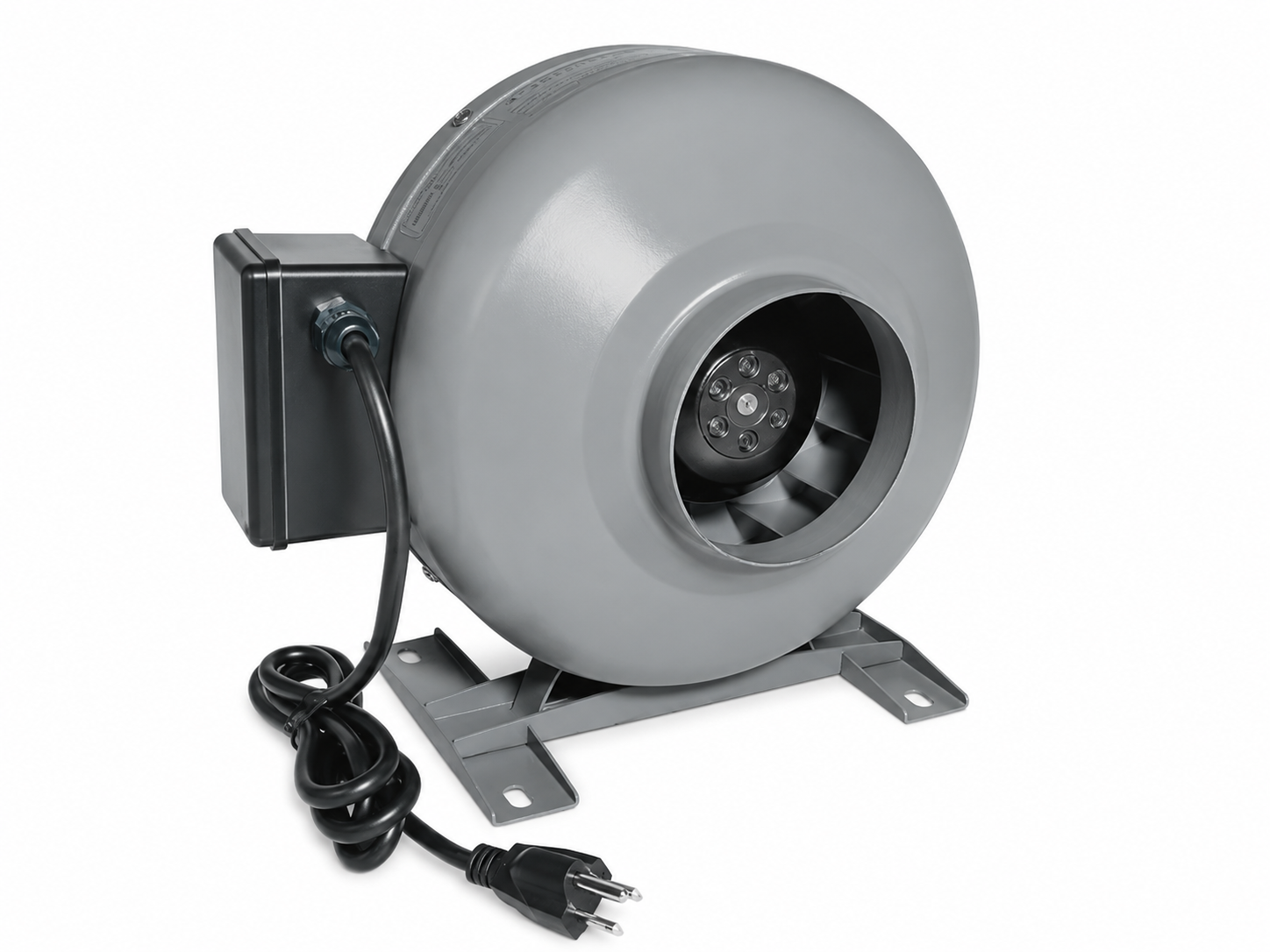
A standard clothes dryer must move warm, moisture-filled air through its exhaust duct and safely discharge it outdoors. Long ducts, multiple elbows, and difficult building layouts can create airflow resistance that the dryer may struggle to overcome. A properly selected booster fan for dryer vent systems can assist airflow through an extended duct run, but it must be installed according to the product instructions and applicable building codes.
Why Does Dryer Vent Length Matter?
Every foot of duct creates some resistance to airflow. Elbows and bends add further resistance because the exhaust air must change direction. If the total effective duct length exceeds the dryer manufacturer’s allowance, airflow can slow considerably.
Reduced airflow may cause the dryer to operate longer than expected. It can also allow heat, moisture, and lint to remain inside the exhaust path. Over time, accumulated lint may further restrict airflow and increase the need for cleaning.
Dryer placement often creates these challenges. Laundry rooms located in the center of a home, inside an apartment, or below grade may require longer routes to reach an exterior wall or roof termination. Remodeling projects may also relocate laundry equipment without providing a short, direct path outdoors.
What Are the Signs of Restricted Dryer Airflow?
A slow drying cycle does not automatically mean that a booster fan is needed. Contractors and homeowners should first inspect the dryer, lint screen, exhaust duct, and exterior termination.
Possible warning signs include:
- Clothes remaining damp after a normal cycle
- Drying cycles taking longer than usual
- Excessive heat around the dryer
- A hot or humid laundry room
- Weak airflow at the exterior termination
- Moisture collecting inside the duct
- A burning or overheated smell
- Frequent dryer shutdowns
- Lint gathering around duct connections
A blocked lint screen, crushed transition duct, closed exterior flap, or lint-filled exhaust line can create the same symptoms. These issues must be corrected rather than masked with additional fan power.
How Does a Dryer Booster Fan Work?
A dryer booster fan is installed within the exhaust duct to help move air toward the outdoor termination. Depending on the system design, it may activate automatically when the dryer starts and stop after the dryer finishes operating.
The fan is intended to support the dryer’s exhaust airflow across a challenging duct run. It does not replace proper duct design, routine lint removal, or a suitable outdoor termination.
Products used for dryer exhaust applications should be designed and approved for that specific purpose. A general inline duct fan should not be substituted unless its manufacturer expressly permits installation in a dryer exhaust system.
When Might a Booster Fan Be Appropriate?
A dryer booster fan may be considered when the required exhaust path exceeds the dryer manufacturer’s permitted length or when the building layout creates unavoidable airflow resistance.
Common project conditions include:
- Laundry rooms far from an exterior wall
- Basement laundry areas
- Multi-unit residential buildings
- Interior laundry closets
- Extended horizontal duct runs
- Routes containing several necessary elbows
- Remodeling projects with limited duct pathways
Before recommending a fan, the installer should calculate the effective duct length. This calculation generally includes the straight duct distance plus length allowances for fittings. Requirements vary, so the dryer instructions, booster fan instructions, locally adopted codes, and authority having jurisdiction should guide the final design.
What Should Contractors Consider During Installation?
The duct should follow the shortest and straightest practical route. Smooth metal ductwork is generally used because rough interior surfaces and flexible sections can collect more lint and restrict airflow. Joints should be assembled in the correct direction so fasteners or exposed edges do not catch lint inside the duct.
The fan must be positioned where it can be inspected and serviced. Hiding it permanently behind finished walls can make cleaning, troubleshooting, or replacement difficult. Contractors should also provide the required electrical connection and follow all clearance instructions.
Key planning points include:
- Correct duct diameter
- Total effective duct length
- Number and type of elbows
- Fan orientation
- Service access
- Electrical requirements
- Exterior termination design
- Local mechanical and electrical codes
- Dryer and fan manufacturer instructions
The installer should test the completed system while the dryer is running. Confirm that the fan starts as intended, air exits through the termination, and duct joints remain secure.
Why Is Maintenance Still Necessary?
A booster fan does not eliminate lint. The homeowner must continue cleaning the dryer’s lint screen after each load and arrange periodic inspection of the full exhaust path.
The required cleaning frequency depends on dryer use, duct length, the number of bends, and how quickly lint accumulates. Property managers and inspectors should include the fan, duct, and outdoor termination in routine checks.
If drying times begin increasing again, the system should be inspected before continued use. A fan that does not activate, a damaged duct, or a lint blockage may require professional attention.
Plan the Exhaust System as One Assembly
A dryer exhaust system works properly when the appliance, duct, fittings, booster fan, and outdoor termination are selected as compatible parts. Contractors should address the duct route first, confirm code requirements, and use a dryer-approved fan only when project conditions justify it.
HVAC professionals, builders, inspectors, and homeowners can visit Suncourts to review dryer airflow products and select equipment suited to the proposed duct length, installation layout, and service requirements.
