


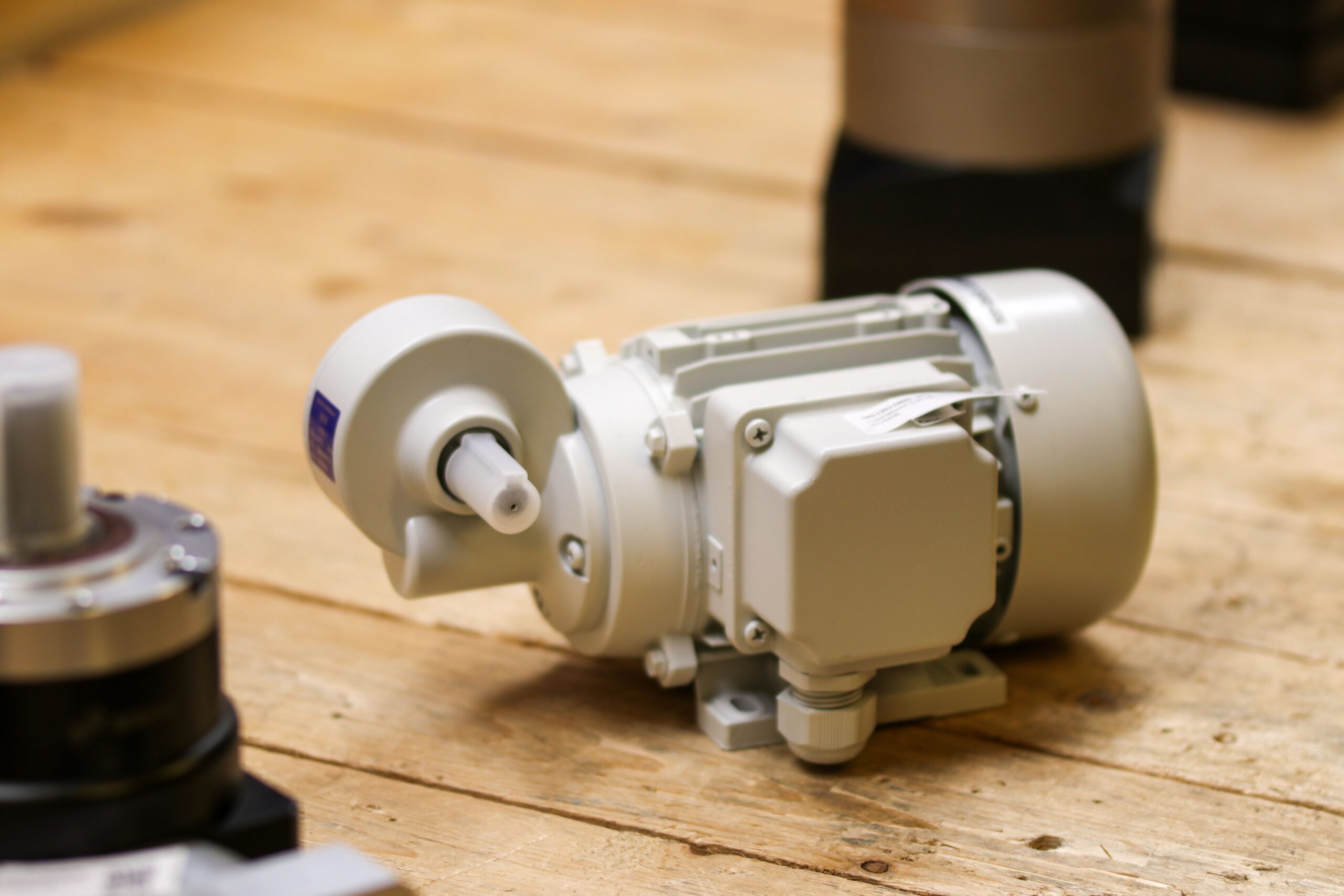
Industrial motors often operate in environments where ordinary equipment faces excessive wear. Exposure to dust, moisture, chemicals and demanding operating cycles places additional pressure on motor components. When selecting a severe-duty IEEE 841 electric motor, buyers need to look beyond the basic specifications and determine whether the motor is designed to provide dependable performance under demanding industrial conditions.
Knowing what to examine before making a purchase helps businesses avoid choosing equipment based solely on price or appearance. A careful evaluation should consider the motor’s construction, protection features, efficiency, documentation and suitability for the intended application.
Verify the IEEE 841 Standard
The first step is confirming that the motor actually meets the relevant IEEE 841 requirements. IEEE 841 is associated with severe-duty motors designed for industrial environments where reliability and protection against harsh conditions are important.
Buyers should review the manufacturer’s documentation rather than relying only on a product description or sales statement. Look for clear information about the applicable standard and the motor’s specific certification or compliance details.
This distinction matters because the term “severe duty” alone does not provide enough information about how a motor was designed or tested. Documentation gives buyers a stronger basis for comparing different models.
Examine the Motor’s Enclosure
The motor’s enclosure plays an important role in protecting internal components from environmental exposure. Industrial facilities may contain airborne particles, moisture or other contaminants that affect electrical equipment over time.
A suitable enclosure helps prevent unwanted material from reaching sensitive internal components. Buyers should understand the enclosure type and determine whether it matches the conditions where the motor will operate.
Consider the installation environment carefully. A motor operating indoors in a relatively clean facility faces different demands from one installed near process equipment, washdown areas or locations with significant airborne contaminants.
Look at Bearing Protection
Bearings have a major influence on motor reliability. Poor bearing protection may allow contaminants or moisture to contribute to premature wear, particularly in demanding industrial environments.
When evaluating a motor, review how the bearings are protected and what lubrication system the manufacturer specifies. Understanding these details provides insight into the motor’s approach to long-term operation.
Buyers should also consider whether the bearing arrangement suits the expected load and operating conditions. The right motor should match the mechanical demands of the equipment it will drive rather than simply meeting electrical requirements.
Check Sealing and Moisture Protection
Moisture is a serious concern for industrial motors. Water entering areas around shafts, connections or internal components may contribute to corrosion and electrical problems.
A well-designed severe-duty motor incorporates features intended to limit moisture intrusion. Buyers should review the manufacturer’s information regarding seals, shaft protection and other measures used to protect the motor.
The installation environment should guide this evaluation. Motors exposed to frequent cleaning, humidity or outdoor conditions require appropriate protection for those circumstances.
Review Efficiency and Operating Costs
Purchase price is only one part of the cost associated with an electric motor. Energy consumption also affects operating expenses, especially when a motor runs for extended periods.
Review the motor’s efficiency rating and compare it with other suitable models. A more efficient motor may reduce energy consumption over its operating life, depending on the application and usage pattern.
Efficiency should still be considered alongside other requirements. A motor with attractive energy specifications is not necessarily the right choice if its construction or operating characteristics do not suit the environment.
Confirm the Electrical Specifications
Before purchasing, verify that the motor’s electrical characteristics match the equipment and power system where it will operate. Voltage, phase, frequency and horsepower all need to correspond with the application.
Speed is another important consideration. The motor’s rated speed should align with the driven equipment and any transmission or control components involved.
Checking these specifications before purchase helps prevent compatibility issues. A motor that meets the severe-duty requirements but does not match the property’s electrical system is still an unsuitable choice.
Evaluate the Manufacturer’s Documentation
Reliable documentation provides valuable information about what a motor is designed to do. Buyers should look for technical data sheets, installation information, operating instructions and applicable certification details.
Clear documentation also makes future maintenance easier. Technicians need accurate information when inspecting, servicing or replacing components.
For example, a buyer comparing industrial motor suppliers might encounter a company such as ESR Motors while researching available equipment. The important consideration is not the company name alone but whether the specific motor provides appropriate documentation and meets the requirements of the intended application.
Consider the Actual Operating Environment
The best motor on paper may not be the best motor for every facility. Consider where the motor will operate, how frequently it will run and what type of equipment it will drive.
Temperature, humidity, dust, chemical exposure and mechanical loads all influence motor selection. Understanding these conditions helps buyers identify the features that matter most.
It is also useful to consider future operating conditions. If a facility expects production changes or increased operating demands, selecting equipment with those requirements in mind may provide greater flexibility.
Compare Total Value Rather Than Price Alone
A lower purchase price does not automatically represent better value. Frequent maintenance, energy consumption or premature replacement may increase the overall cost of a motor.
Instead, compare construction quality, efficiency, protection features and expected service requirements. A motor that costs more initially may provide greater value when its specifications better match the demands of the application.
Ultimately, buying a good severe-duty IEEE 841 electric motor requires careful evaluation rather than a quick comparison of prices. Verify the applicable standard, inspect protection features and confirm that the electrical specifications suit the application. Consider the operating environment and review the available technical documentation before making a decision.
Taking these steps helps buyers select a motor based on actual performance requirements rather than marketing claims. A thoughtful purchasing process also supports long-term reliability and helps industrial facilities get greater value from critical equipment.
