


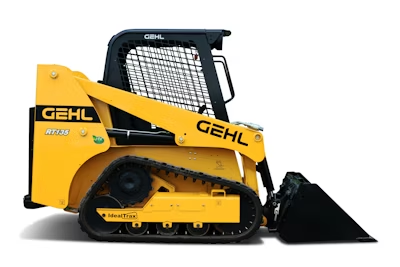
Heavy equipment like Gehl track loaders plays a critical role in construction, landscaping, and agricultural operations. These machines are built to handle demanding environments, but even the most durable equipment is not immune to wear and tear.
Understanding common Gehl track loader parts failures and how to prevent them can save time, reduce repair costs, and improve overall productivity.
Why Parts Fail in Track Loaders
Track loaders operate in harsh conditions mud, gravel, debris, and uneven terrain all contribute to component stress. Over time, continuous use without proper maintenance leads to premature wear and failure of key parts. Factors such as poor lubrication, contamination, overloading, and delayed servicing can accelerate damage.
- Rubber Track Wear and Damage
The Problem:
Rubber tracks are one of the most frequently replaced parts. They can crack, tear, or lose tension due to rough terrain, sharp objects, or improper usage.
Common Causes:
- Operating on abrasive surfaces like asphalt
- Incorrect track tension
- Debris trapped in the undercarriage
Prevention Tips:
- Regularly inspect tracks for cuts and wear
- Maintain proper tension as per manufacturer guidelines
- Clean the undercarriage after each use
- Avoid excessive turning on hard surfaces
- Undercarriage Component Failure (Rollers & Idlers)
The Problem:
Rollers and idlers support the machine’s weight and guide the tracks. When they wear out, it leads to uneven movement and increased stress on other components.
Common Causes:
- Lack of lubrication
- Dirt and debris buildup
- Misalignment
Prevention Tips:
- Clean the undercarriage frequently
- Check for unusual noises or vibrations
- Replace worn rollers before they damage tracks
- Ensure proper alignment during maintenance
- Hydraulic System Failures
The Problem:
Hydraulic systems power lifting and digging operations. Failures can result in reduced performance or complete operational shutdown.
Common Causes:
- Contaminated hydraulic fluid
- Leaking hoses or seals
- Overheating
Prevention Tips:
- Use high-quality hydraulic fluid
- Replace filters regularly
- Inspect hoses for leaks or cracks
- Monitor fluid levels and temperature
- Engine and Cooling System Issues
The Problem:
Overheating and engine inefficiency can lead to costly downtime and repairs.
Common Causes:
- Clogged air filters
- Dirty radiators
- Low coolant levels
Prevention Tips:
- Clean or replace air filters frequently
- Keep the radiator free from debris
- Check coolant levels daily
- Follow scheduled servicing intervals
- Drive Motor and Final Drive Failures
The Problem:
Drive motors are essential for movement. Failure can immobilize the entire machine.
Common Causes:
- Oil contamination
- Excessive load or misuse
- Poor maintenance
Prevention Tips:
- Regularly check oil levels and quality
- Avoid overloading the machine
- Schedule routine inspections
- Address minor issues before they escalate
The Cost of Ignoring Early Warning Signs
Ignoring small issues can quickly lead to major failures. Warning signs such as unusual noises, reduced performance, or visible wear should never be overlooked. Early intervention not only prevents breakdowns but also significantly reduces repair expenses.
Benefits of Preventive Maintenance
Implementing a proactive maintenance strategy offers several advantages:
- Increased equipment lifespan
- Reduced downtime
- Improved fuel efficiency
- Enhanced safety on job sites
- Lower long-term operational costs
Preventive care ensures your Gehl track loader continues to perform at its best, even in the toughest environments.
Final Thoughts
Gehl track loaders are built for durability, but their performance depends on how well they are maintained. By understanding common parts failures and taking preventive measures, operators can avoid costly repairs and maximize uptime.
A well-maintained machine is not just more reliable, it’s also more productive. Investing time in regular inspections and using quality replacement parts will always pay off in the long run.
