


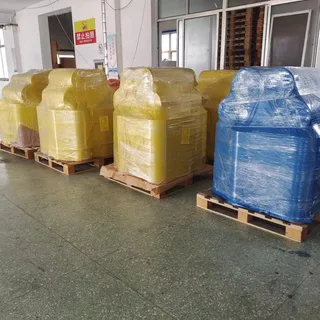
Heavy freight is where industrial packaging either proves its value—or fails quickly. When a shipment weighs hundreds or thousands of pounds, packaging mistakes become expensive. A weak pallet can break during forklift handling. An unstable load can collapse in transit. A damaged crate can expose product to impact, moisture, and contamination.
In many industries, heavy shipments are routine. Manufacturers ship machinery, assemblies, bulk components, metal parts, industrial supplies, and equipment every day. These shipments often move through LTL networks, flatbeds, export containers, and multi-stop freight lanes. They face vibration, compression, and repeated handling at terminals and docks.
That’s why industrial packaging for heavy freight must be designed for structural performance. The goal is not simply to “wrap and ship.” The goal is to build a load system that stays stable, protects the product, and moves safely through the entire freight cycle.
In this article, we’ll cover how heavy freight shipments fail, how pallets and crating reduce risk, and why supplier consistency matters for long-term shipping performance.
Why Heavy Freight Packaging Has Higher Risk
Heavy freight creates stress that light shipments never experience. A 40-pound carton might survive a packaging shortcut. A 1,200-pound shipment will expose it immediately.
Heavy shipments amplify three major risks:
Compression risk increases because loads stack and settle. Handling risk increases because forklifts and cranes apply force. Vibration risk increases because heavy products create momentum during transit.
These risks make heavy freight packaging more than a shipping detail. It becomes a safety and liability issue. When a heavy load fails, it can damage other freight, injure workers, and create expensive recovery situations.
The Most Common Causes of Heavy Freight Failures
Most heavy freight packaging failures come from predictable weak points.
The first is pallet failure. When pallets are undersized, damaged, or built with weak components, they break under load. Forklift entry points can split, deck boards can crack, and stringers can fail. When a pallet breaks, the load becomes unstable and difficult to handle safely.
The second is load shifting. Heavy freight often shifts because it is not properly contained. Even small shifts can create uneven pressure that leads to leaning, crushing, or collapse.
The third is insufficient structural protection. Heavy products can be damaged by impact, but they can also damage themselves if they are not immobilized. A heavy assembly that shifts inside packaging becomes a destructive force.
The fourth is poor blocking and bracing. Heavy products must be supported so they cannot move. Without internal stabilization, crating becomes decorative rather than protective.
Finally, moisture and environmental exposure can weaken packaging and cause corrosion. Heavy freight often sits in staging areas and may move through humid or wet environments.
Why Pallets Are the Foundation of Heavy Freight Packaging
For heavy shipments, the pallet is not just a base. It is the structural foundation of the entire load.
A pallet must support the full weight of the shipment and maintain stability during forklift handling. It must resist flexing, because flexing leads to load movement. It must also support consistent entry points so forklifts can lift safely without damaging the pallet.
This is why new wooden pallets are often the best choice for heavy freight. Used pallets may look fine, but they often have hidden weaknesses. Cracked stringers, weakened nails, and fatigued boards can fail under heavy loads.
New pallets provide predictable strength. They reduce the chance of breakage during handling. They also improve load stability because the base remains rigid.
For industrial operations shipping heavy freight daily, pallet quality directly affects damage rates and safety.
Load Stability: Why Containment Must Match Weight
Heavy loads shift differently than light loads. A light pallet might shift gradually. A heavy pallet can shift suddenly, especially during braking, turning, or trailer movement.
This is why containment methods must match load weight and shipping conditions. Stretch film alone may not be enough for heavy freight. Film helps unitize cartons, but heavy loads often require strapping and edge protection.
Strapping provides high-strength containment. Polyester strapping is common because it holds tension well and supports heavy loads. Edge protectors prevent straps from cutting into cartons or damaging the load.
For many heavy shipments, combining stretch film with strapping creates a more stable load. The film prevents small shifts, while the strapping prevents major load movement.
When Wooden Crates Are the Best Solution
Many heavy shipments cannot be protected by pallets and cartons alone. Heavy equipment, irregular assemblies, and high-value components often require structural packaging.
This is where wooden crates become essential. Crates provide rigid protection against impact, compression, and handling damage. They also support internal blocking and bracing, which is critical for immobilizing heavy products.
Crates are especially valuable for:
- Machinery and industrial equipment
- Large assemblies with sensitive features
- Heavy metal components
- Irregular products that cannot be boxed safely
- Export shipments requiring long transit protection
Crates also improve handling safety. A properly designed crate provides stable forklift entry points and reduces the chance of product exposure during movement.
Blocking and Bracing: The Key to Crate Performance
A crate is only as good as the stabilization inside it. Many heavy freight failures happen when a product shifts inside a crate. This can damage the product, damage the crate, and create safety risk.
Blocking and bracing immobilize the product. They prevent movement during transit and distribute forces across strong points of the assembly. For example, a heavy machine may need bracing at multiple support points to prevent flexing and tipping.
Blocking and bracing also protect sensitive components. Protruding features, controls, and connectors should never become load-bearing points. Proper bracing ensures those areas remain protected.
For heavy shipments, immobilization is not optional. It is the difference between safe delivery and expensive damage.
Heavy Freight and Export Shipping
Export shipping increases heavy freight risk. Transit times are longer, handling is more complex, and environmental exposure is harsher. Ocean containers often experience humidity cycles and condensation.
For export heavy freight, crating is often required. Crates provide the durability needed for long transit. They also support moisture control systems such as barrier materials and desiccants when corrosion risk exists.
Export shipments also require compliance for wood packaging, including ISPM-15 heat treatment in many cases. This is another reason why working with a reliable supplier matters.
Why Supplier Consistency Matters for Heavy Freight Packaging
Heavy freight packaging is not an area where improvisation works. Materials must be consistent. Pallets must be reliable. Crates must be built correctly. Containment systems must match load requirements.
This is why many industrial organizations rely on an industrial packaging supplier based in the US to support heavy freight programs. A reliable supplier helps ensure pallet quality, crate construction consistency, and repeatable packaging performance across shipments.
Supplier support also improves standardization. When packaging is standardized, teams pack faster, damage rates drop, and shipping outcomes become predictable.
Consistency also reduces cost. Many companies overpack heavy shipments because they don’t trust their materials. When materials are reliable, packaging can be optimized without increasing risk.
Final Thoughts: Heavy Freight Requires Structural Packaging, Not Shortcuts
Heavy freight shipping demands packaging systems designed for weight, handling stress, and long transit cycles. Failures are expensive and can create safety risk.
New wooden pallets provide a strong, predictable foundation that reduces handling failures and improves stability. Wooden crates provide structural protection for heavy and irregular products, supporting immobilization through blocking and bracing. Containment systems such as stretch film, strapping, and edge protection stabilize loads and reduce shifting.
Most importantly, working with an industrial packaging supplier based in the US helps organizations standardize heavy freight packaging materials and methods. With consistent pallets, reliable crating, and repeatable containment strategies, heavy shipments arrive safer, cleaner, and far more predictable—load after load.
