


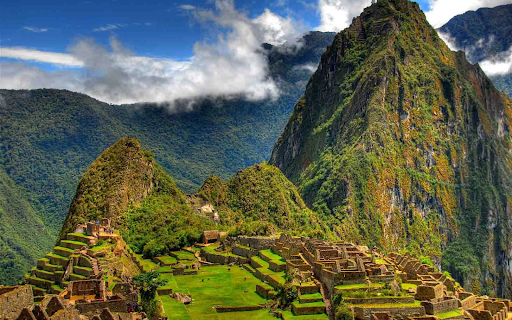
The Peruvian Amazon stands as one of Earth’s most captivating wilderness destinations, offering travelers an unparalleled opportunity to immerse themselves in the planet’s most biodiverse ecosystem. Spanning over 60% of Peru’s territory, this vast green expanse beckons adventurers, nature enthusiasts, and cultural explorers to experience something truly extraordinary. From the gateway city of Iquitos to the pristine Tambopata National Reserve, amazon travels peru promise encounters that transform perspectives and create memories lasting a lifetime.
Why Choose Peru for Your Amazon Adventure
While the Amazon rainforest stretches across nine countries, Peru offers distinct advantages that make it a premier destination for rainforest exploration. The country provides exceptional infrastructure for jungle expeditions, combining authentic wilderness experiences with reliable access points and varying accommodation options. Unlike some neighboring regions, the Peruvian Amazon maintains vast protected areas where wildlife thrives undisturbed, offering visitors genuine opportunities to witness nature in its purest form.
The cultural dimension adds another layer of richness to Amazon travels in Peru. Indigenous communities have inhabited these forests for millennia, and many welcome respectful visitors to share their knowledge of medicinal plants, sustainable living practices, and spiritual connections to the land. This cultural exchange transforms a simple nature trip into a profound educational journey.
Gateway Cities: Your Portal to the Jungle
Most Amazon adventures in Peru begin from one of two primary gateway cities. Iquitos, accessible only by air or river, serves as the traditional entry point to the northern Amazon. This vibrant city sits on the banks of the Amazon River itself, surrounded entirely by jungle. The bustling Belén market, floating neighborhoods, and historic architecture provide fascinating contrasts before travelers venture into pristine wilderness.
Puerto Maldonado in southeastern Peru offers a different approach, serving travelers heading to Tambopata and Manu National Park. This frontier town sits where the Tambopata and Madre de Dios rivers converge, providing quick access to some of the Amazon’s most protected and biodiverse regions. The journey from Puerto Maldonado to remote lodges involves scenic boat rides that immediately immerse visitors in the rainforest environment.
Diverse Lodging Options for Every Traveler
Amazon travels in Peru accommodate various preferences and budgets through diverse lodging options. Luxury eco-lodges provide comfortable amenities while maintaining environmental responsibility, featuring private bungalows, gourmet cuisine incorporating Amazonian ingredients, and expert naturalist guides. These establishments often invest heavily in conservation efforts and community development.
Mid-range lodges strike an excellent balance between comfort and adventure, offering solid accommodations with mosquito-netted beds, communal dining areas where travelers share experiences, and comprehensive guided activities. These lodges typically maintain smaller group sizes, ensuring personalized attention from guides.
For the truly adventurous, rustic camping expeditions and basic jungle shelters provide authentic immersion experiences. These options minimize barriers between travelers and the environment, though they require greater comfort with basic amenities and close encounters with insects and wildlife.
Wildlife Encounters: The Amazon’s Living Treasures
The biological diversity of Peru’s Amazon astounds even seasoned naturalists. Over 1,800 bird species inhabit these forests, including spectacular macaws that gather at clay licks to consume mineral-rich soil. Watching hundreds of brilliantly colored parrots descend upon riverbank cliffs at dawn ranks among nature’s most spectacular displays.
Mammals range from tiny tamarins and agile squirrel monkeys to majestic jaguars and giant river otters. While big cats remain elusive, patient observers frequently spot capybaras, sloths, and various monkey species. The rivers themselves teem with life, from pink river dolphins that surface alongside boats to prehistoric-looking caiman lurking along vegetated banks.
The smaller creatures often prove equally fascinating. Poison dart frogs display warning colors across leaf litter, while leaf-cutter ants march in organized columns carrying vegetation to underground fungus gardens. Tarantulas, though intimidating to some, play crucial ecological roles and captivate those brave enough to observe them closely.
Activities That Define Amazon Exploration
Amazon travels in Peru typically revolve around guided excursions that maximize wildlife observation while ensuring safety. Early morning and evening boat rides along rivers and oxbow lakes coincide with peak animal activity periods. Guides trained in spotting camouflaged creatures point out animals visitors would otherwise miss entirely.
Canopy walkways and observation towers provide perspectives impossible from ground level, revealing the intricate ecosystem existing high above the forest floor. These elevated platforms offer opportunities to observe canopy-dwelling birds, primates, and orchids rarely visible from below.
Night expeditions reveal an entirely different cast of characters. Armed with flashlights, guides lead groups through darkness alive with sounds, spotting nocturnal mammals, hunting spiders, and sleeping birds. The transformation from day to night demonstrates the Amazon’s remarkable biodiversity operating in distinct temporal niches.
Fishing expeditions targeting piranhas provide thrilling hands-on experiences, while visits to indigenous communities offer cultural insights and opportunities to learn traditional crafts, try exotic fruits, and understand forest pharmacology through medicinal plant demonstrations.
Best Times for Amazon Travels in Peru
The Peruvian Amazon experiences two distinct seasons that dramatically affect travel experiences. The high-water season from December through May sees rivers overflow their banks, creating vast flooded forests called “varzeas.” During this period, boat access extends deeper into forests, and wildlife concentrates on elevated areas, sometimes improving observation opportunities. However, mosquitoes proliferate during these wetter months.
The low-water season from June through November exposes beaches along rivers and concentrates fish in smaller water bodies, attracting predators and creating excellent wildlife viewing conditions. Trails remain more accessible, though temperatures may feel slightly higher with less cloud cover. This season generally offers more comfortable conditions for hiking and exploring.
Preparing for Your Jungle Journey
Successful amazon travels peru require thoughtful preparation. Yellow fever vaccination is mandatory for entering jungle regions, and additional immunizations merit consultation with travel health specialists. Antimalarial medication may be recommended depending on specific destinations and individual health factors.
Packing appropriately makes substantial differences in comfort levels. Lightweight, quick-drying clothing in neutral colors helps travelers blend into surroundings while managing jungle humidity. Sturdy waterproof boots protect feet during muddy trail walks, while quality insect repellent becomes essential equipment. Binoculars transform wildlife viewing, allowing detailed observation of distant creatures.
Mental preparation matters equally. The Amazon operates on nature’s schedule rather than human preferences. Patience becomes virtue when waiting for animals to appear, and flexibility helps when weather alters planned activities. Embracing uncertainty and spontaneity enhances the overall experience.
Conclusion: Key Takeaways for Amazon Travels Peru
Embarking on Amazon travels in Peru offers transformative experiences that connect visitors with Earth’s most vital ecosystem. The journey combines thrilling wildlife encounters, cultural exchanges with indigenous communities, and personal challenges that build appreciation for nature’s complexity. Whether exploring from luxury lodges or rustic camps, travelers gain perspectives impossible to achieve elsewhere.
Success requires selecting appropriate gateways, timing visits according to seasonal preferences, and preparing thoroughly for jungle conditions. The rewards include witnessing biodiversity that defies imagination, understanding ecological interconnections, and creating memories that inspire conservation awareness long after returning home. Peru’s Amazon isn’t merely a destination, it’s an encounter with the living heart of our planet.
