


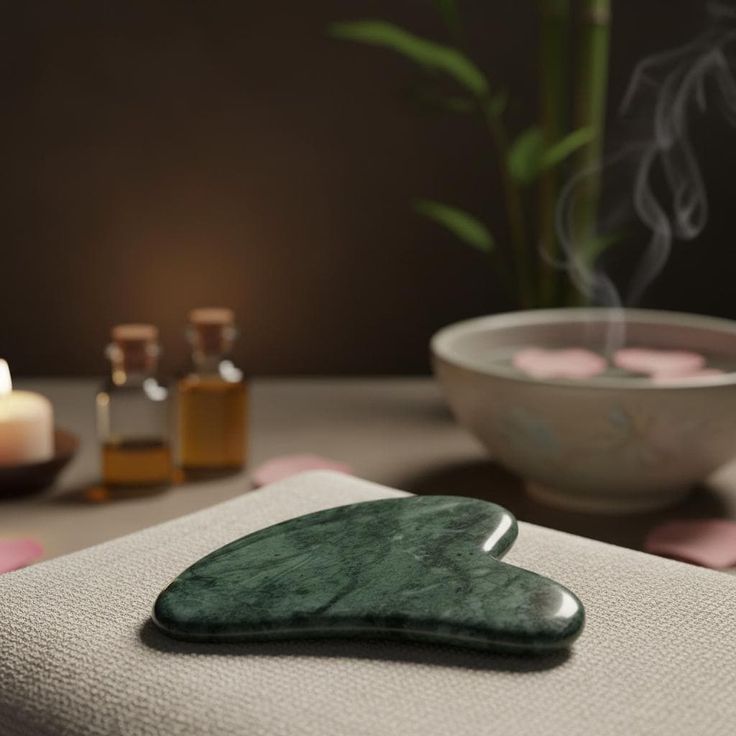
In recent years, the beauty industry has seen a massive resurgence of Traditional Chinese Medicine (TCM) techniques, with Gua Sha leading the charge as a favorite among wellness enthusiasts. This practice, which involves using a smooth-edged tool to stroke the skin, is celebrated for its ability to promote lymphatic drainage, release muscle tension, and enhance facial contouring. However, as the technique transitions from a specialized clinical practice to a common DIY bathroom ritual, many newcomers are beginning to ask: can gua sha be harmful? While the tool itself is a simple piece of stone or metal, the physiological impact of improper application can range from minor bruising to significant skin irritation, making education just as important as the tool itself.
To understand the safety profile of Gua Sha, one must first understand its intended function. Originally used on the body to treat heatstroke or chronic pain by intentionally creating “sha” (redness), the facial application is significantly more delicate. The skin on the face is thinner and more vascular than the skin on the back or limbs. When a user applies excessive pressure or fails to use a proper lubricant, the friction can cause petechiae—tiny broken capillaries that appear as red or purple spots. While these usually heal quickly, they are a sign that the treatment was too aggressive for the facial structure.
Another critical safety factor is the condition of the skin before the stone even touches the face. Gua Sha should never be performed on skin that is currently experiencing an inflammatory flare-up. This includes active cystic acne, rosacea, or eczema. Moving a tool over an active infection can spread bacteria to other areas of the face or further irritate an already compromised skin barrier. Furthermore, those who have recently received cosmetic injectables, such as fillers or neurotoxins, must wait the medically recommended period before resuming Gua Sha to avoid shifting the product or causing unnecessary inflammation at the injection sites.
The material of the tool also plays a role in the safety of the practice. High-quality stones like jade, rose quartz, or bian stone are non-porous and cooling. However, cheaper imitations made of porous resins or poorly finished glass can harbor bacteria or have microscopic jagged edges that cause “micro-tears” in the epidermis. Sanitization is a non-negotiable step in the process; a tool that is not washed with soap and water after every use becomes a breeding ground for acne-causing bacteria, turning a wellness ritual into a catalyst for breakouts.
For women in the 25–55 demographic, Gua Sha can be a transformative part of a pro-aging routine, provided it is approached with a “less is more” mindset. The goal is to move lymph, not to “iron out” wrinkles through sheer force. Light, rhythmic strokes at a 15-degree angle are generally sufficient to achieve the de-puffing effects most users desire. By respecting the anatomy of the face and the limitations of the skin barrier, the practice remains a relaxing and effective tool for holistic beauty.
Ultimately, the effectiveness of any skincare ritual depends on the harmony between technique and product. When you approach your skin with intention and high-quality botanicals, the results are both visible and sustainable. Prioritizing safety and education ensures that your self-care journey remains beneficial rather than a source of stress for your skin. For those seeking to enhance their regimen with ethically sourced and meticulously formulated products, Essance Skincare provides the professional-grade botanical solutions necessary to nourish the skin while exploring the profound benefits of traditional facial massage.
