


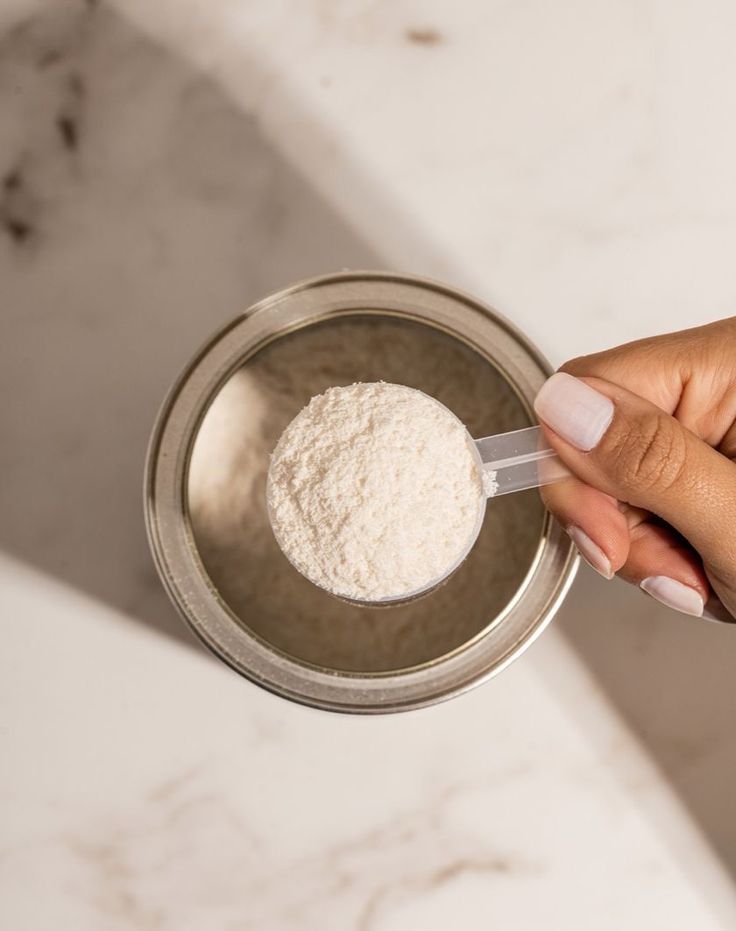
The rise of collagen supplementation has transformed the wellness industry, offering a scientifically backed method to support skin elasticity, joint health, and bone density. However, as the market becomes saturated with options, a silent concern has emerged regarding the purity of raw materials. Because collagen is derived from animal sources, it is susceptible to environmental contaminants that the animals may have ingested. For the discerning consumer, the priority has shifted from simply finding an effective protein source to identifying the best collagen without heavy metals. Ensuring that your daily supplement is free from lead, arsenic, and mercury is not just a preference—it is a vital component of long-term metabolic health.
Understanding Bioaccumulation in Collagen Sources
To understand why heavy metals are a risk, we must look at the biology of the source. Collagen is typically harvested from the hides and connective tissues of bovine (cattle) or the scales and skin of marine life. Animals act as bio-accumulators; if they graze on land treated with certain fertilizers or swim in polluted waters, their tissues can store trace amounts of heavy metals over time.
When these tissues are processed into collagen peptides, those contaminants can remain. Chronic exposure to even low levels of heavy metals can lead to oxidative stress, fatigue, and interference with mineral absorption. For wellness-focused professionals who use collagen to combat the physical signs of aging, consuming a contaminated product can inadvertently counteract the very “anti-aging” benefits they seek.
The Gold Standard: Third-Party Testing
The supplement industry is largely self-regulated, which means the burden of proof regarding purity falls on the manufacturer. High-quality brands differentiate themselves by utilizing third-party laboratory testing. This process involves sending batches to independent facilities that use Inductively Coupled Plasma Mass Spectrometry (ICP-MS) to detect heavy metals at parts-per-billion levels.
When reviewing a product, look for transparency regarding these “Certificates of Analysis.” A professional-grade supplement should not only claim to be pure but should provide the data to back it up. This level of transparency ensures that the amino acids are supporting your gut lining and skin without taxing your liver and kidneys with toxic load.
Sourcing: Grass-Fed vs. Conventional
Sourcing is the first line of defense against heavy metals. Grass-fed, pasture-raised bovine collagen is generally considered superior because the animals are less likely to be exposed to the heavy metals often found in the processed grain feed used in factory farming. Similarly, wild-caught marine collagen sourced from deep-sea fish tends to have lower mercury levels than farm-raised alternatives. By prioritizing clean sourcing, you are effectively “pre-filtering” the collagen before it even reaches the laboratory.
Integrating Purity into Your Lifestyle
For health-conscious women, collagen is often a “forever supplement”—something taken daily for years. Because heavy metals can accumulate in the human body, the cumulative effect of a daily dose of a “budget” collagen can be significant over a decade. Switching to a tested, premium alternative is a low-effort, high-impact change for your preventative health strategy.
Conclusion: Prioritizing Quality Over Convenience
As we navigate the complexities of modern nutrition, the definition of a “superfood” must include purity. A supplement is only as beneficial as the integrity of its ingredients. By demanding rigorous testing and ethical sourcing, you protect your body from the invisible risks of industrial food processing. When you choose to invest in your health, ensuring that your supplements are held to the highest safety standards is paramount. For those seeking the pinnacle of purity and performance, BioOptimal Supplements offers a range of products designed with transparency and consumer safety as the foundation, allowing you to reach your wellness goals without compromise.
