


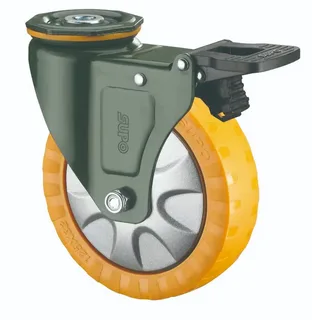
Castor wheels may seem like a small part of a trolley, but they play a big role in how smoothly, safely, and efficiently your trolley performs. Whether you are using trolleys in a warehouse, factory, hospital, or retail environment, choosing the right castor wheels for trolleys directly affects load handling, operator effort, floor protection, and maintenance costs.
Among the most commonly used options in India are PU (Polyurethane), Nylon, and Rubber castor wheels. Each type is designed for specific applications and working conditions. This guide explains their differences so you can make an informed decision.
Why Choosing the Right Castor Wheel Matters
Using the wrong castor wheel can lead to:
- Difficulty in moving loaded trolleys
- Excessive noise and vibration
- Damage to floors and goods
- Frequent wheel replacement
The right wheel ensures smooth movement, better load distribution, and longer service life—especially in demanding industrial environments.
PU Castor Wheels for Trolleys
PU (Polyurethane) castor wheels are one of the most popular choices for industrial trolleys due to their balanced performance.
Key Features
- High load-bearing capacity
- Non-marking and floor-friendly
- Low noise during movement
- Good resistance to wear and abrasion
Best Applications
- Warehouses and logistics centers
- Assembly lines and production trolleys
- Indoor material handling on epoxy or smooth concrete floors
PU castor wheels offer the strength of nylon with the floor protection of rubber, making them a preferred all-round solution for most industrial trolley applications.
Nylon Castor Wheels for Trolleys
Nylon castor wheels are known for their strength and durability under heavy loads.
Key Features
- Very high load capacity
- Excellent resistance to chemicals, oils, and moisture
- Low rolling resistance on hard surfaces
- Long service life in tough conditions
Best Applications
- Heavy-duty industrial trolleys
- Engineering units and factories
- Outdoor or rough floor environments
However, nylon wheels are harder than PU or rubber, which means they can be noisy and may mark delicate floors. They are best used where strength is more important than noise or floor protection.
Rubber Castor Wheels for Trolleys
Rubber castor wheels, including thermoplastic rubber (TPR), are designed for comfort, noise reduction, and shock absorption.
Key Features
- Quiet and smooth operation
- Good shock absorption
- Non-marking on most floor surfaces
- Reduced vibration during movement
Best Applications
- Hospitals and healthcare facilities
- Hotels, offices, and retail spaces
- Light to medium-duty trolleys
Rubber wheels are ideal where silent movement and user comfort are important, but they are not recommended for very heavy loads or rough industrial conditions.
How to Choose the Right Castor Wheels for Your Trolley
When selecting castor wheels, consider:
- Load capacity including safety margin
- Floor condition (smooth, rough, tiled, or epoxy)
- Usage frequency (occasional vs continuous use)
- Noise and vibration requirements
- Indoor or outdoor environment
Using a mix of swivel and fixed castor wheels can also improve trolley control and maneuverability.
Conclusion
Choosing the right castor wheels for trolleys—whether PU, nylon, or rubber—is essential for efficient and safe material handling. PU wheels offer balanced performance, nylon wheels handle extreme loads, and rubber wheels provide quiet, smooth movement in sensitive environments.
By understanding your application needs and selecting the correct wheel type, you can extend trolley life, reduce maintenance costs, and improve overall productivity.
