


Collagen vs Colostrum: Which Supplement Fits Your Health Goals?
When exploring wellness supplements, two products that often come up are collagen vs colostrum. Both have passionate advocates and each offers unique benefits, but they are not interchangeable. Understanding the differences between them can help you choose the one — or both — that align with your health goals. Whether you’re focused on skin elasticity, joint support, immune health, digestive strength, or overall vitality, knowing how these supplements work can guide your decisions.
What Is Collagen and Why Do People Take It?
Collagen is the most abundant protein in the body and a key structural component of skin, connective tissues, tendons, ligaments, and bones. As we age, natural collagen production decreases, which can contribute to wrinkles, joint discomfort, and slower recovery after exercise.
Supplemental collagen, particularly hydrolyzed collagen peptides, breaks down into amino acids that your body can absorb more easily. Many people take collagen to support:
- Skin health and elasticity
- Joint comfort and mobility
- Nail and hair strength
- Muscle recovery after workouts
- Overall protein intake
Collagen supplements are commonly derived from bovine, marine, or poultry sources. Bovine collagen, especially types I and III, is popular for its broad range of benefits and strong scientific backing.
What Is Colostrum and What Does It Do?
Colostrum is the nutrient‑rich “first milk” produced by mammals in the first days after giving birth. It provides newborns with concentrated immune factors, antibodies, growth factors, and nutrients that support early development and immune protection. Bovine colostrum supplements bring these compounds into adult wellness routines.
People often use colostrum for:
- Immune support and resilience
- Gut health and lining integrity
- Improved recovery from physical stress
- Support for overall well‑being
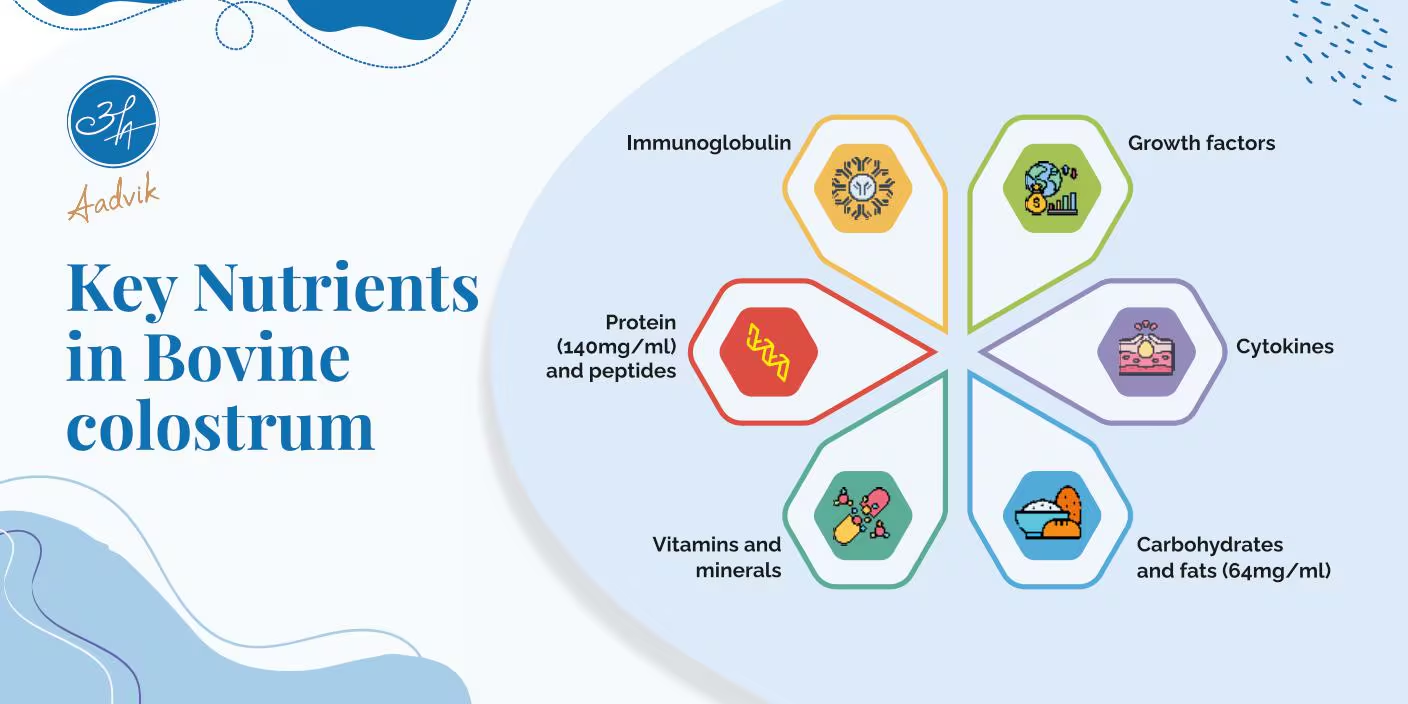
Colostrum contains immunoglobulins (IgG, IgA), lactoferrin, growth factors like IGF‑1, and other compounds not typically found in most dietary proteins. This distinct profile sets it apart from collagen at a biochemical level.
How Collagen and Colostrum Work in the Body
Although both supplements provide proteins and peptides, they function quite differently in the body:
Collagen
Collagen primarily supplies abundant amino acids — particularly glycine, proline, and hydroxyproline — that are building blocks for connective tissues. It works in a structural and supportive capacity, helping tissues maintain integrity, elasticity, and resilience.
Colostrum
Colostrum’s benefits hinge on its immune and growth‑supporting compounds. Instead of focusing on tissue structure, colostrum contributes to immune modulation and may support gut lining integrity. Its immunoglobulins bind to pathogens, helping the body distinguish between harmful and benign agents.
Because their mechanisms are different, collagen and colostrum can complement rather than compete with each other in a wellness regimen.
Collagen vs Colostrum: Benefits Compared
Here’s how the supplements stack up across common health goals:
Skin and Aging Support
- Collagen: Strong evidence supports collagen’s role in improving skin elasticity, hydration, and reducing fine lines over time — particularly with ongoing supplementation.
- Colostrum: Not typically studied for skin benefits in adults; effects here are indirect at best.
Joint and Connective Tissue Support
- Collagen: Collagen peptides help supply essential amino acids for joint cartilage and connective tissues, often helping individuals experience increased comfort and flexibility.
- Colostrum: May support general wellness and recovery but is not a primary supplement for joint cartilage.
Immune Health
- Collagen: Not a primary immune modulator; indirectly supports health via overall nutrition and tissue integrity.
- Colostrum: Contains antibodies and immune factors that may support defenses, especially during periods of stress or heavy training.
Digestive Wellness
- Collagen: May support gut lining integrity partly through glycine and other amino acids, but not a direct digestive aid in terms of motility or microbiome changes.
- Colostrum: Supports gut barrier function and immune signaling in the digestive tract, which may benefit individuals with an irritated gut lining or frequent digestive challenges.
Exercise Recovery
- Collagen: Helps support connective tissues and may reduce markers of recovery time, particularly when combined with strength training.
- Colostrum: May help with immune resilience around intense training and moderate recovery support through growth factors.
Can You Take Collagen and Colostrum Together?
In many cases, yes — these supplements can be taken together. Because they serve distinct functions and are absorbed differently, combining them does not typically lead to negative interactions. Rather, it allows you to support multiple aspects of wellness simultaneously: structural support from collagen and immune/gut support from colostrum.
However, always consult your healthcare provider, especially if you have specific health conditions, allergies, or concerns related to protein intake or dairy‑derived products.
Choosing the Right Supplement for Your Goals
When choosing between collagen and colostrum, consider the priorities that matter most to you:
- Want skin, joint, and connective tissue support? Collagen peptides are likely the better match.
- Looking for immune resilience and gut‑lining support, especially during stress or recovery? Colostrum may offer targeted benefits.
- Desire a comprehensive wellness routine? Many people benefit from using both strategically, adjusting timing and dosage based on personal goals and digestive tolerance.
Personal goals, lifestyle patterns, and nutritional needs all play a role in determining the best choice.
Final Thoughts
Understanding the difference between collagen and colostrum empowers you to choose the supplement(s) that most closely align with your health goals. While collagen focuses on structural maintenance and connective tissue support, colostrum brings immune‑related and digestive tract‑supportive factors to the table. When used thoughtfully as part of a balanced wellness strategy, each supplement offers valuable benefits.
