


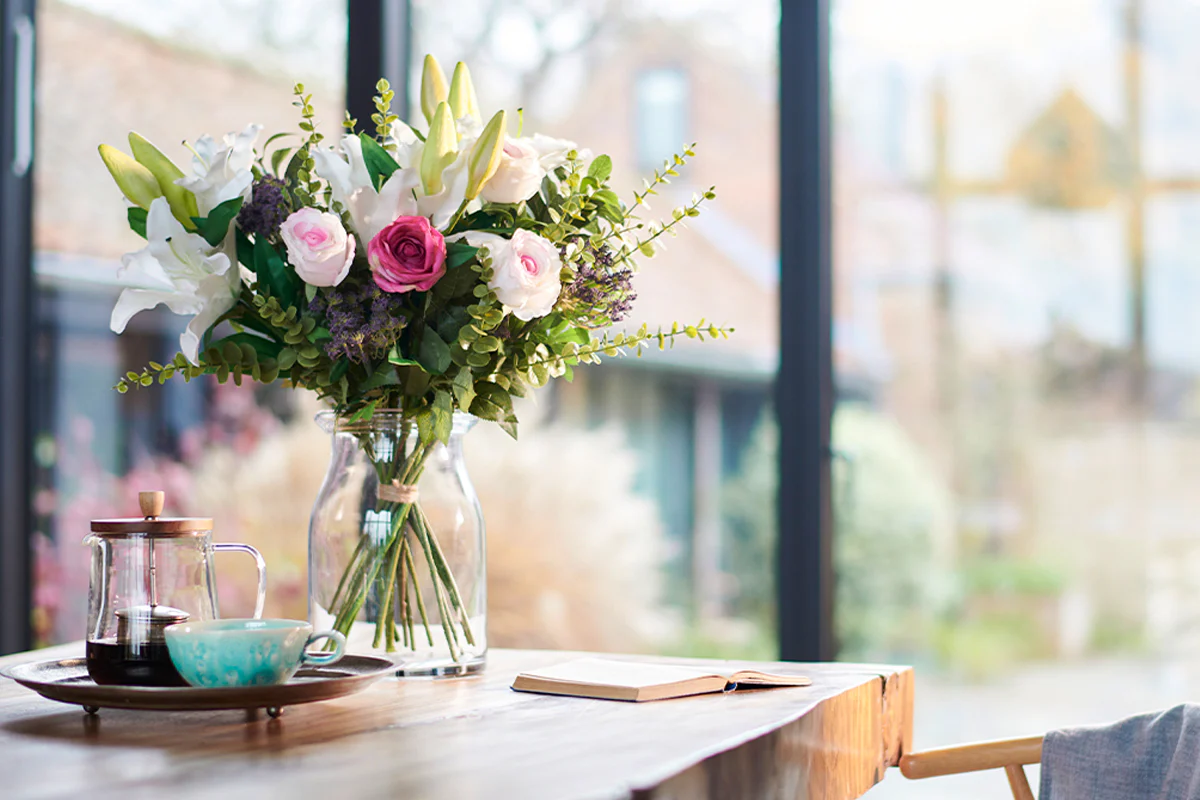
Fake Flowers That Look Real: How to Spot High-Quality Artificial Blooms
Fake flowers have come a long way from the plastic petals and shiny stems you may remember from years ago. Today, high-quality artificial blooms look incredibly realistic—so real, in fact, that most people can’t tell the difference unless they touch them. Whether you want maintenance-free home décor, long-lasting event arrangements, or hassle-free office greenery, choosing fake flowers that look real is key to getting a polished and natural aesthetic.
In this blog, you’ll learn exactly how to identify high-quality artificial blooms, what materials to look for, and how to avoid cheap, unrealistic options.
Why Fake Flowers Are More Popular Than Ever
Artificial flowers are now a staple in modern décor because they offer:
- Zero maintenance – no watering, pruning, or sunlight needed.
- Long-lasting beauty – they don’t wilt, fade, or die.
- Cost efficiency – one-time investment that lasts for years.
- Allergy-friendly décor – perfect for sensitive individuals.
- Versatility – ideal for homes, offices, weddings, and events.
But not all artificial flowers are made equal. Some look stunningly real; others look obviously fake. The trick is knowing what sets the high-quality ones apart.
How to Spot Fake Flowers That Look Real
Here are the key factors that indicate you’re looking at top-quality, realistic artificial blooms.
1. Look at the Material: It Makes All the Difference
The material of the flower determines how natural it looks and feels.
✓ Best Materials for Realistic Fake Flowers
- Silk – soft, flexible, and closest in appearance to real petals.
- Latex – mimics the texture and slight translucence of real flowers.
- Polyester with real-touch coating – budget-friendly yet realistic.
- Foam for small blooms – lightweight and natural-looking.
✗ Materials That Look Cheap
- Plastic petals
- Shiny fabrics
- Hard, rigid stems
If the flower feels stiff or overly glossy, it’s likely low quality.
2. Check the Petal Edges and Veins
High-quality artificial flowers have:
- Soft, rounded petal edges
- Natural-looking color gradients
- Subtle veining patterns
Cheap blooms often have:
- Straight, sharp-cut edges
- Flat or overly bright colors
- No texture at all
Run your fingers over the petals—if they feel too smooth or plasticky, they won’t pass for real.
3. Observe the Color Shading
Real flowers aren’t one solid color, and good fake flowers mimic that.
Look for blooms with:
- Blended tones
- Soft gradients from center to edge
- Color fading like natural petals
Avoid flowers with:
- Very bright, neon-like colors
- Uniform shade with no depth
- Painted-on designs
The more subtle and layered the color, the more realistic the flower will appear.
4. Examine the Stems and Leaves
Even if the flower looks real, the stem can give away its quality.
High-quality stems and leaves feature:
- Wrapped wire stems for adjustable shaping
- Matte or textured finishes
- Visible but subtle leaf veins
- Realistic green shades—not bright green plastic
Leaves should not be thick or glossy; they should bend easily and have a slight natural variation in tone.
5. Check the Flower Shape and Structure
Real flowers have imperfect shapes.
Look for:
- Irregular petals
- Slight asymmetry
- Fluffy or layered arrangements
Avoid:
- Perfectly symmetrical blooms
- Overly uniform placement
- Flowers that look too stiff or flat
The more “natural flaws” a fake flower has, the more lifelike it appears.
6. Feel the Texture: Real-Touch Flowers Are Best
Many high-end artificial flowers come with a “real-touch” coating, giving them:
- A soft feel
- Matte finish
- Slight moisture-like texture
If a bloom feels rubbery or hard, it’s likely low quality. Real-touch flowers often feel almost exactly like real petals.
7. Look at the Flower Base and Calyx
The small green portion at the base of the bloom (the calyx) tells you a lot.
High-quality fake flowers have:
- Textured, realistic-looking calyx
- Securely glued or wrapped parts
- Smooth transitions between petals and stem
Cheap ones will have:
- Thick plastic bases
- Visible glue blobs
- Loose petals
Always inspect this part closely—it’s one of the biggest giveaways.
8. Test the Flexibility
A good artificial flower should be flexible but sturdy.
Pull a petal or leaf gently:
- It should not fall off easily.
- It should bend slightly without breaking.
High-quality flowers are built with internal wiring and durable materials, making them long-lasting.
Where to Use Fake Flowers That Look Real
Realistic artificial blooms are perfect for:
Home Décor
- Entryway arrangements
- Dining table centerpieces
- Bedroom vases
- Bathroom shelves
Wedding & Events
- Bridal bouquets
- Table arrangements
- Aisle decorations
- Floral arches
Office & Retail Spaces
- Reception desks
- Meeting rooms
- Retail displays
They create elegance without the ongoing cost of fresh flowers.
How to Maintain the Natural Look of Fake Flowers
To keep your artificial blooms looking real:
✓ Dust regularly with a soft cloth or hair dryer
✓ Wash silk blooms gently in soapy water (if allowed)
✓ Keep them out of direct sunlight to prevent fading
✓ Fluff and reshape the petals occasionally
With proper care, high-quality fake flowers can last for years—still looking fresh and stunning.
Final Thoughts
Fake flowers that look real can elevate any space without the upkeep of fresh blooms. By paying attention to materials, texture, color, and craftsmanship, you can easily identify high-quality artificial flowers that are almost indistinguishable from the real thing.
Whether you’re decorating your home, planning a wedding, or creating a professional display, choosing realistic artificial blooms ensures long-lasting beauty, value, and convenience.
