


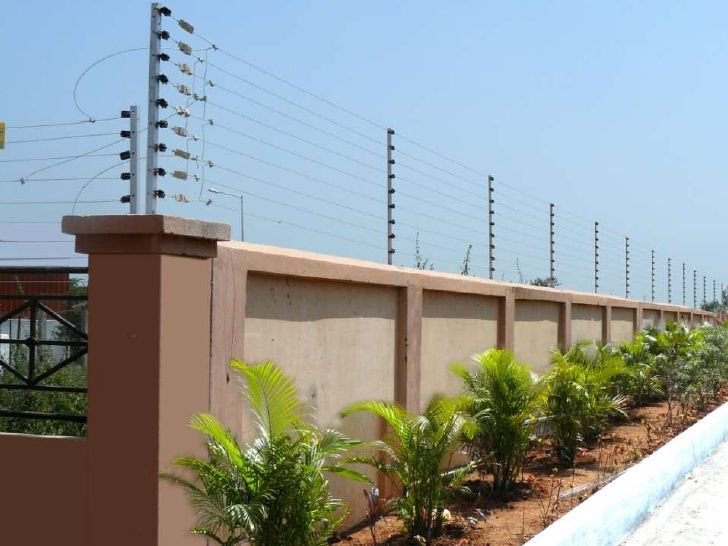
Introduction
The energizer is the heart of any electric fence system, providing the pulses that deliver deterrent shocks. Choosing the right power source—solar or AC (mains electricity)—is crucial for ensuring consistent performance, reliability, and convenience. Each option has distinct advantages and limitations, and selecting the best fit depends on fence location, size, animal type, and maintenance preferences. Understanding the differences helps you make an informed decision that keeps your fence effective and hassle-free.
AC Energizers: Power from the Grid
AC energizers draw electricity directly from a household or farm mains outlet. They are ideal for locations with reliable access to power and for larger fencing systems that require consistent, high-output energy.
Advantages of AC Energizers:
- Consistent Power: As long as the outlet is operational, voltage and pulse strength remain stable, even under heavy load.
- High Output: AC units often deliver higher joule ratings, making them suitable for long fence lines, multiple wires, or heavily vegetated areas.
- Low Maintenance: Unlike batteries or solar panels, AC units don’t require regular charging or battery replacement.
Limitations:
- Location Dependency: AC energizers require access to an electrical outlet, limiting placement flexibility.
- Vulnerability to Power Outages: In the event of a blackout, the fence may temporarily lose functionality unless a backup system is in place.
- Installation Considerations: Running cables safely from the outlet to the energizer may require additional protective conduit or wiring.
Solar Energizers: Harnessing Sunlight
Solar energizers use a solar panel to charge an internal battery, which powers the fence throughout the day and night. These units are perfect for remote locations, rotational grazing setups, or temporary fencing where access to mains electricity is limited.
Advantages of Solar Energizers:
- Portability: Solar units can be placed anywhere, making them ideal for movable or temporary fencing systems.
- Off-Grid Operation: No electrical outlet is needed, providing flexibility for pastures, gardens, or remote livestock areas.
- Environmentally Friendly: Solar energizers rely on renewable energy, reducing electricity consumption.
Limitations:
- Battery Maintenance: Solar units rely on internal batteries that must be periodically checked and replaced to maintain peak performance.
- Sunlight Dependency: Reduced sunlight due to weather, shade, or seasonal changes can affect charging and fence voltage.
- Limited Output: Solar energizers typically deliver lower joule ratings than AC units, which may be insufficient for very long or high-resistance fence lines.
Choosing Based on Fence Size and Animal Type
- Small to Medium Fences: For short perimeters, small gardens, or single paddocks, solar energizers provide adequate voltage and flexibility.
- Large Fences or Multiple Wires: AC energizers are preferable for long fences, multiple-strand setups, or high-resistance environments such as heavily vegetated areas.
- Sensitive or Agile Animals: Livestock like goats, sheep, or wildlife like deer may require higher, more consistent voltage, which AC energizers provide more reliably.
Practical Considerations
- Backup Options: Even with AC power, a solar or battery backup can prevent downtime during outages.
- Placement: Solar panels require direct sunlight for optimal charging. Ensure panels are oriented correctly and free from shade.
- Maintenance Schedule: AC units need minimal attention, while solar units require periodic inspection of panels, batteries, and connections.
Conclusion
Both solar and AC energizers have their place in electric fencing systems. Solar units excel in remote, portable, or environmentally conscious applications, providing flexibility and off-grid convenience. AC energizers offer consistent, high-output power for long fences, multiple wires, or areas where reliability is critical. By evaluating your fence’s size, location, and the animals you are containing, you can select the power source that delivers optimal performance, safety, and convenience, ensuring your electric fence operates effectively year-round.
