


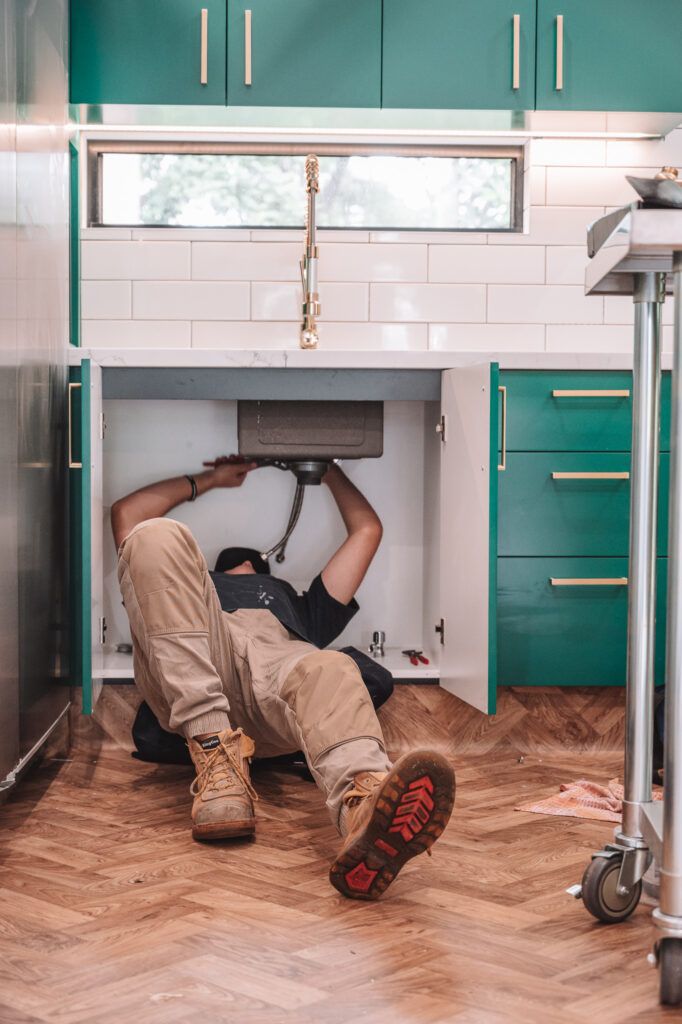
Bathrooms are among the most frequently used areas in any home, which makes them a prime spot for hidden water leaks. While dripping taps or visible puddles are easy to spot, the real danger often lies beneath tiles, behind walls, or under flooring, where small leaks can cause major structural damage over time. Detecting these bathroom and shower leaks early isn’t just about saving water—it’s about preventing long-term havoc that can compromise your home’s safety and value Leak detection Merseyside.
Why Bathroom Leaks Are So Dangerous
Bathrooms combine plumbing, moisture, indoor air quality, and heat in one confined space. Over time, even minor leaks can create serious problems such as:
- Mold and mildew growth: Moisture trapped behind tiles or drywall creates ideal conditions for mold, which can spread rapidly and affect indoor air quality.
- Structural damage: Continuous leaks can weaken wooden studs, subfloors, and plaster, leading to costly repairs.
- Tile and grout deterioration: Water seeping behind tiles softens adhesive materials, causing tiles to lift or crack.
- Rising utility bills: A small, unseen leak can waste hundreds of liters of water monthly.
The true hazard of these leaks is their stealth—they can persist for months before showing visible symptoms.
Common Sources of Bathroom and Shower Leaks
Bathrooms contain multiple potential leak points. Understanding where these occur can make detection faster and more effective:
- Shower tray or base: Cracked seals or gaps in the caulking can let water seep underneath.
- Tiled walls and grout lines: Over time, grout becomes porous, allowing water to pass through to the wall cavity.
- Leaking faucets or shower heads: Drips from fixtures often appear minor but can accumulate moisture behind fittings.
- Toilet base leaks: Worn wax rings or poor seals around the toilet base allow water to escape during flushing.
- Pipe joints behind walls: Loose fittings or corroded connections are common hidden culprits.
- Underfloor heating or pipes: Leaks within concealed systems can remain unnoticed for long periods.
Recognizing these vulnerable points is key to preventing costly structural issues later.
Early Signs of Hidden Bathroom Leaks
While not all leaks are visible, subtle indicators often suggest something is wrong:
- Damp or musty odors that persist even after cleaning.
- Discolored grout or tiles darkening around edges.
- Peeling paint or wallpaper near the bathroom.
- Warm or soft spots underfoot, especially around showers or tubs.
- Unexpected increases in water usage or bills.
- Mold appearing outside the bathroom, such as on adjoining walls or ceilings.
Catching these early warning signs can make the difference between a quick repair and a major renovation.
Professional Leak Detection Techniques
When visual inspection isn’t enough, professional plumbers use specialized tools to identify hidden leaks with precision. Some of the most effective methods include:
- Thermal imaging: Detects temperature changes caused by moisture trapped behind walls or floors.
- Acoustic leak detection: Uses sensitive microphones to hear water escaping from pipes, even through concrete.
- Moisture meters: Measure water content in surfaces to locate damp areas invisible to the naked eye.
- Pressure testing: Identifies drops in pressure within plumbing systems, confirming the presence of a leak.
- Tracer gas testing: Introduces safe, odorless gas into the system to pinpoint leak escape points.
These technologies eliminate the need for unnecessary demolition, saving time and minimizing disruption.
DIY Leak Detection: What Homeowners Can Do
While professional tools provide the highest accuracy, homeowners can still take simple steps to spot potential problems early:
- Inspect caulking and seals: Reseal any cracked or deteriorated silicone around tubs, sinks, and showers.
- Monitor water meter readings: If the meter moves when no taps are open, you likely have a hidden leak.
- Check under sinks and around the toilet: Look for pooling water or dampness.
- Test tile integrity: Tap tiles gently; a hollow sound may indicate water damage beneath.
- Use food coloring in the toilet tank: If color seeps into the bowl without flushing, there’s a leak.
Routine checks can help catch issues before they escalate into major damage.
Repair and Prevention
Once a leak is detected, timely repair is crucial. Depending on the source, solutions may include:
- Resealing or regrouting shower tiles.
- Replacing worn washers or pipe fittings.
- Installing waterproof membranes under tiled surfaces.
- Replacing old silicone around baths and sinks.
- Replumbing faulty sections with more durable materials.
To prevent future leaks, schedule regular maintenance—especially in older homes where plumbing joints and seals degrade over time. Ensuring proper ventilation also helps reduce humidity, discouraging mold and condensation buildup.
The Long-Term Benefits of Leak Detection
Investing in professional bathroom leak detection may seem like an unnecessary expense at first, but the long-term rewards are undeniable. You’ll:
- Preserve your home’s structure and resale value.
- Prevent health hazards caused by mold and dampness.
- Save on costly water bills and future repairs.
- Gain peace of mind knowing your plumbing system is sound.
Early detection turns what could be a financial nightmare into a manageable maintenance task.
Final Thoughts
Water leaks in bathrooms and showers are the silent destroyers of home integrity. They operate unseen, slowly eroding walls, floors, and fixtures until visible damage appears—often too late for an easy fix. With modern detection tools, proactive maintenance, and professional inspections, you can uncover these hidden leaks before they unleash havoc.
Protect your home, your health, and your wallet by making bathroom and shower leak detection a regular part of your property care routine. In the battle against hidden water damage, vigilance is your strongest defense.
