


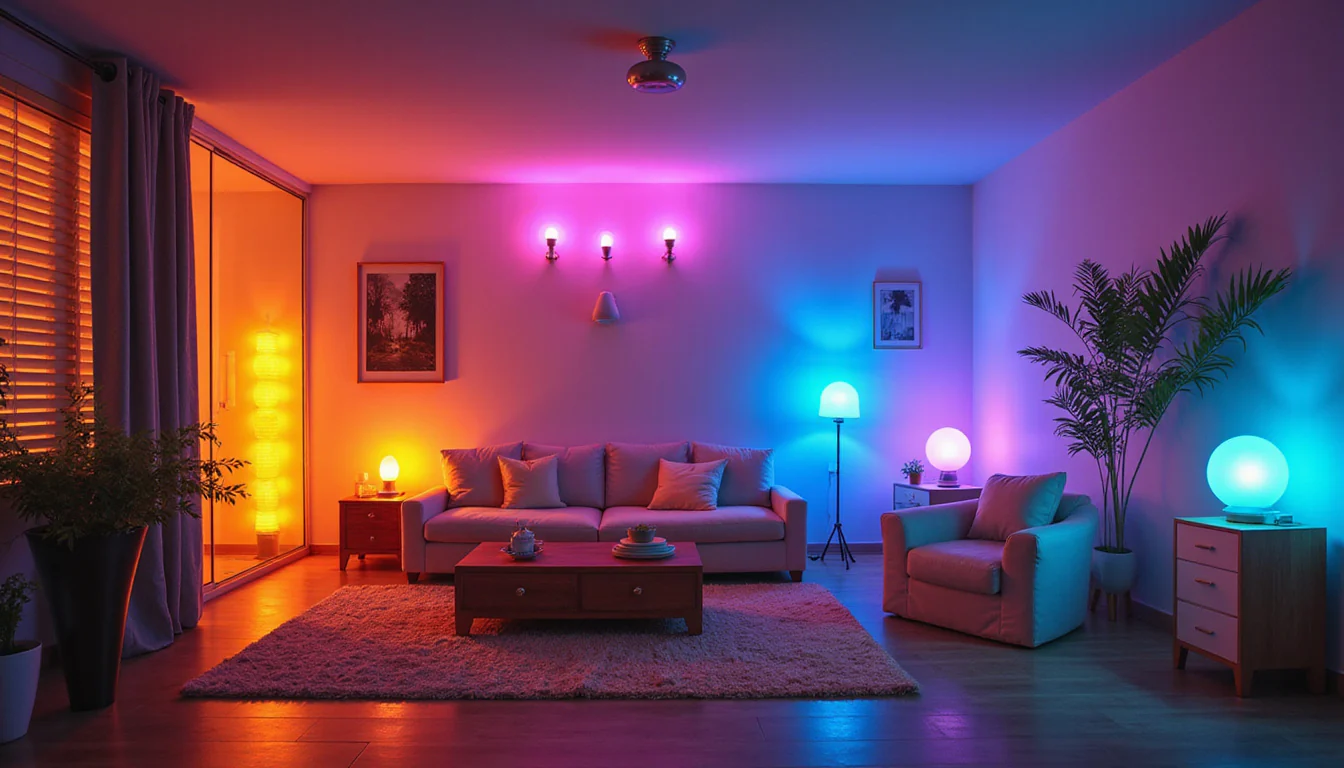
In today’s fast-paced world, lighting has become more than just a necessity—it’s a way to enhance efficiency, create ambiance, and promote sustainability. Among all lighting options, LED Lights have emerged as the most innovative and eco-friendly choice. Their combination of long life, low energy consumption, and versatility has made them the leading solution for homes, businesses, and industries worldwide.
What Are LED Lights?
LED stands for Light Emitting Diode. Unlike traditional incandescent or fluorescent bulbs that rely on filaments or gases, LED Lights use semiconductors to convert electricity directly into light. This process makes them more efficient, durable, and reliable.
Energy Efficiency and Cost Savings
One of the most significant benefits of LED Lights is their exceptional energy efficiency. They consume up to 80% less electricity compared to traditional bulbs. This translates into lower energy bills and reduced carbon footprints. While the initial investment might be higher, the long-term savings are substantial.
Durability and Longevity
LED Lights are designed to last significantly longer than conventional lighting solutions. On average, they can operate for 25,000 to 50,000 hours, compared to only 1,000 hours for incandescent bulbs. This durability reduces replacement costs and maintenance, making them ideal for both residential and commercial use.
Versatility in Design
From sleek modern fixtures to decorative string lights, LED Lights are available in countless shapes, sizes, and colors. They can be dimmable, color-changing, or even smart-enabled, giving users complete control over brightness and ambiance. This versatility makes them perfect for living rooms, offices, outdoor landscapes, and industrial environments.
Environmental Benefits
LED Lights are eco-friendly because they do not contain toxic elements like mercury, which is commonly found in fluorescent bulbs. Additionally, their low energy use contributes to reduced greenhouse gas emissions. By choosing LED technology, individuals and businesses support global sustainability efforts.
Applications of LED Lights
-
Homes – Ideal for everyday use in kitchens, bedrooms, and living spaces.
-
Businesses – Improve workplace lighting while cutting energy costs.
-
Outdoor Spaces – Perfect for street lighting, garden illumination, and safety purposes.
-
Automotive Industry – Commonly used in headlights, taillights, and interior car lighting.
The Future of Lighting
With advancements in smart technology, LED Lights are becoming more intelligent and connected. Features like motion detection, app control, and integration with home automation systems are making them a cornerstone of modern living. The future promises even more energy-efficient and innovative designs.
Conclusion
LED Lights have revolutionized the way we think about illumination. They combine efficiency, durability, and eco-friendliness while offering endless design possibilities. As technology continues to evolve, LED lighting is set to become even smarter, brighter, and more sustainable, illuminating a better future for everyone.
